


Starting a yoga practice can feel incredibly exciting, but walking into your first session—or opening a tutorial at home—can also feel a bit overwhelming. With so many different yoga styles, Sanskrit terms, and advanced poses splashing across social media, it’s easy to think, "Am I flexible enough for this?"
Here is the ultimate truth: Yoga is for everyone. You don't need to touch your toes or balance on your head to reap the mind-body benefits. All you need is an open mind, a small space, and a willingness to breathe.
In this ultimate yoga for beginners step-by-step guide, we will break down everything you need to know to build a confident, safe, and life-changing daily yoga practice.
Why Start a Yoga Practice? (The Mind-Body Benefits)
Before we roll out the mat, let's talk about why yoga has become a global wellness phenomenon. Yoga is more than just a workout; it is a holistic practice that connects physical movement with conscious breathing.
According to scientific studies, a regular yoga routine offers massive health benefits:
-
Improves Flexibility & Mobility: Gently increases the range of motion in tight joints and stiff muscles.
-
Builds Core Strength: Foundational poses engage the deep core, lower back, and stabilizing muscles.
-
Reduces Stress and Anxiety: Mindful breathing lowers cortisol levels, promoting a sense of calm.
-
Enhances Posture: Counters the negative effects of sitting at a desk all day by lengthening the spine.
Step 1: Choose the Right Yoga Style for Your Goals
Not all yoga is the same. Depending on whether you want to sweat, relax, or build muscle, you’ll want to choose a style that aligns with your fitness goals. Here are the most popular styles for beginners:
1. Hatha Yoga
If you see a class labeled simply "Yoga," it’s likely Hatha. This is the absolute best starting point for beginners. It features a slower pace, focusing on learning foundational yoga poses, breathing techniques, and holding alignments without rushing.
2. Vinyasa Yoga
Often called "Flow," Vinyasa is dynamic and fast-paced. You fluidly transition from one pose to the next, syncing your movement directly with your breath. It's excellent for improving cardiovascular health and burning calories.
3. Yin Yoga
A deeply restorative, slow-paced style where poses are held for 3 to 5 minutes. Yin targets deep connective tissues, ligaments, and fascia, making it perfect for ultimate stress relief and deep stretching.
Step 2: Essential Yoga Gear for Beginners
You don't need an expensive studio setup to start practicing, but investing in high-quality, eco-friendly essentials will drastically improve your safety, grip, and comfort.
-
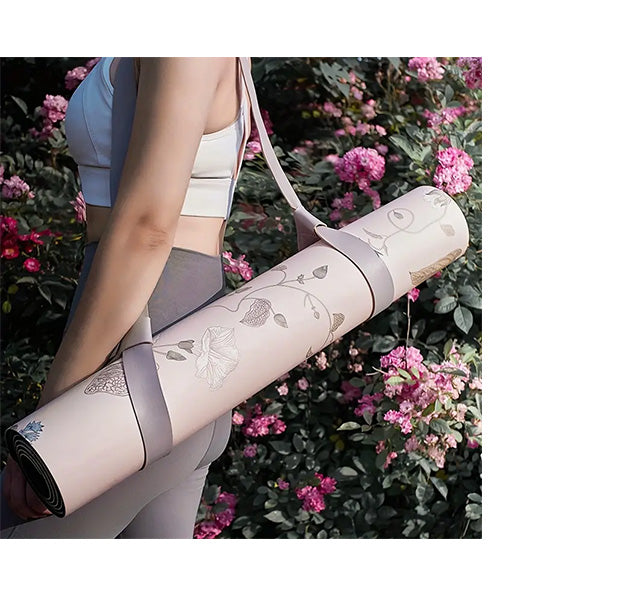
The Best Yoga Mat: Look for a non-slip yoga mat with a thickness of at least 4mm to 6mm to protect your knees and joints. If you travel or need space-saving solutions, a folding yoga mat made from high-performance tech fabrics or POE offers great portability without sacrificing cushioning.

-
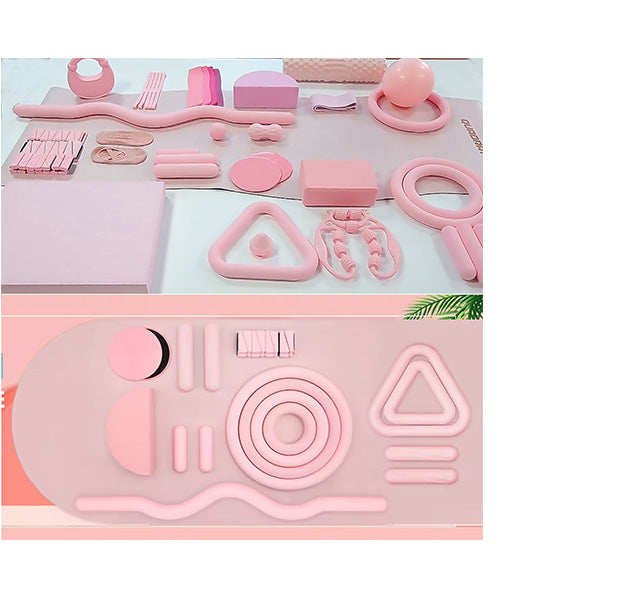
Yoga Blocks: Do not skip these! Bamboo yoga blocks or sustainable cork blocks act as an extension of your arms. They bring the floor closer to you, helping you maintain perfect alignment and balance in standing poses if your muscles are tight.

-
Yoga Strap: Helpful for reaching your feet in seated forward folds or binding your hands behind your back.

Step 3: Foundational Yoga Poses (Asanas) for Beginners
Let's look at the core poses that form the building blocks of almost every yoga flow. Practice these at home to build muscle memory and confidence.
1. Mountain Pose (Tadasana)
The blueprint for all standing poses. It teaches you how to ground your feet, engage your core, and stand with perfect posture.
-
How to do it: Stand with your feet together, arms at your sides. Ground down through your heels, lift your chest, and let your shoulders slide down away from your ears. Breathe deeply.
2. Downward-Facing Dog (Adho Mukha Svanasana)
The most famous pose in yoga. It stretches the hamstrings, opens the shoulders, and strengthens the upper body.
-
How to do it: Start on all fours. Lift your hips up and back, pressing your chest toward your thighs to create an inverted "V" shape. Beginner Tip: Keep a slight bend in your knees if your hamstrings feel tight to keep your spine long.
3. Warrior II (Virabhadrasana II)
A powerful pose that builds stamina, opens the hips, and strengthens the quadriceps.
-
How to do it: Step your feet wide apart. Turn your right foot out 90 degrees and bend your right knee deeply over your ankle. Keep your back leg straight, extend your arms parallel to the floor, and gaze over your right hand.
4. Child’s Pose (Balasana)
Your ultimate rest stop. Whenever a class feels too intense, you can always drop into Child's Pose to reset your breath.
-
How to do it: Kneel on the floor, bring your big toes to touch, and sit back on your heels. Separate your knees wide, fold your torso forward, and rest your forehead on the mat, stretching your arms long in front of you.

Step 4: How to Set Up Your Home Yoga Practice
You don’t need to attend an expensive studio to build a consistent habit. Practicing yoga at home allows you to move at your own pace.
-
Designate a Sanctuary: Find a quiet spot with enough space to roll out your mat. Keep it clutter-free to clear your mind.
-
Start Short and Consistent: Don't pressure yourself into doing 60-minute sessions. 10 to 15 minutes of daily yoga is far more effective for building a habit than a 90-minute class once a week.
-
Eliminate Distractions: Put your phone on "Do Not Disturb" and focus entirely on the present moment.
Common Beginner Mistakes to Avoid
-
Forcing Flexibility: Never push your body into pain. Yoga should feel like a deep, satisfying stretch—never sharp or stabbing. Use your props!
-
Holding Your Breath: When focusing hard on a new posture, beginners often hold their breath. Remember: if you aren't breathing smoothly, you aren't doing yoga.
-
Comparing Yourself to Others: Everyone's skeletal structure, anatomy, and flexibility levels are completely different. Focus on your own mat.
Start Your Journey Today
Yoga is a life-long journey of self-discovery, strength, and inner peace. By taking it one step, one breath, and one pose at a time, you’ll unlock a healthier, more vibrant version of yourself. Grab your mat, take a deep breath, and let your journey begin!