


Yoga is far more than a physical practice—it’s a mindful journey that aligns your mind, body, and spirit, and choosing the right style can make all the difference in how connected you feel to your practice. Two of the most popular yet vastly different yoga modalities are Yin Yoga and Vinyasa Flow Yoga, each catering to unique personalities, physical needs, and wellness goals.
If you’ve ever stood unsure in a yoga studio or scrolled through class listings wondering which path to take, this breakdown will help you match your practice to your true self, no guesswork required.
With the global growth of yoga, many beginners frequently search for “Yin Yoga vs Vinyasa Yoga,” “what is the difference between Yin and Vinyasa yoga,” or “which yoga style is best for beginners.” Understanding how these two styles differ can help you choose a practice that fits your lifestyle, energy level, and wellness goals.
What Sets Yin Yoga Apart?
Yin Yoga is a slow, meditative, and deeply restorative practice designed to target the body’s connective tissues—ligaments, fascia, and joints—rather than just muscles. Classes move at an unhurried pace, with each pose held for 3 to 5 minutes (sometimes longer) to encourage gentle stretching, release deep tension, and promote flexibility.

There’s minimal movement between poses; instead, the focus is on stillness, breathwork, and mental quietude.
This style thrives on patience and introspection. It’s not about pushing your body to its limits, but about surrendering to the stretch and tuning into your inner self. Yin classes often feature dim lighting, soft music, and minimal cues, creating a serene space for mindfulness and stress relief. It’s ideal for anyone seeking calm amid chaos, as it teaches you to embrace stillness and let go of mental clutter.
Because Yin Yoga focuses on connective tissues rather than muscles, it is often recommended for improving joint mobility, flexibility, and deep relaxation. Many practitioners also use Yin Yoga as a recovery practice after intense workouts or busy workdays.
Common Yin Yoga poses include Butterfly Pose, Dragon Pose, Sphinx Pose, and Supported Bridge, all of which are held for extended periods to allow the body to gradually release tension.
What Makes Vinyasa Flow Yoga Unique?
In stark contrast, Vinyasa Flow Yoga is a dynamic, energetic practice that links movement with breath, creating a seamless “flow” of poses. Each movement is synchronized with an inhale or exhale, guiding you through a rhythmic sequence that builds heat, boosts cardiovascular endurance, and tones the body.
Classes are fast-paced, creative, and full of motion—think sun salutations, standing poses, and fluid transitions that keep your heart rate up and your mind focused on the present moment.
Vinyasa is all about vitality and momentum. It’s a practice for those who crave movement, variety, and a sense of accomplishment from a physical workout. The constant flow prevents boredom, challenges both body and mind, and releases endorphins to lift your mood.
It’s a perfect choice for anyone looking to combine fitness with mindfulness, as it requires focus to maintain proper form and breath alignment throughout the sequence.
Vinyasa Yoga is sometimes referred to as “flow yoga” because of its continuous movement between poses. Popular sequences often include Sun Salutations (Surya Namaskar), Warrior poses, Plank variations, and balancing postures that strengthen the entire body.
Because of its dynamic nature, Vinyasa Yoga can also provide cardiovascular benefits, muscle strengthening, and improved endurance, making it a popular choice for people who want both a workout and a mindfulness practice.
Yin Yoga vs Vinyasa Yoga:Key Differences
While both practices belong to the broader yoga tradition, Yin Yoga and Vinyasa Flow Yoga serve very different purposes. The most noticeable differences include:
-
Pace: Yin Yoga is slow and still, while Vinyasa is dynamic and continuous.
-
Focus: Yin emphasizes flexibility and deep tissue release; Vinyasa focuses on strength, stamina, and movement.
-
Intensity: Yin is low-impact and restorative, while Vinyasa can feel more like a full-body workout.
-
Breathing Style: Yin encourages slow, meditative breathing, while Vinyasa synchronizes breath with movement.
Understanding these differences can help you choose the yoga practice that best aligns with your body and lifestyle.
Match the Style to Your Personality
Yin Yoga is for the calm, introspective soul. If you’re someone who feels drained by constant activity, craves quiet reflection, and struggles with overthinking or anxiety, Yin will feel like a sanctuary. You likely value patience, inner peace, and slow, intentional living—Yin’s stillness lets you recharge without pressure, helping you find balance in a fast-paced world.
It’s also perfect for those who feel overwhelmed by high-energy environments and prefer quiet, low-stimulation spaces.
People who enjoy meditation, journaling, mindfulness practices, or slow wellness routines often naturally gravitate toward Yin Yoga.
Vinyasa Flow is for the vibrant, active spirit. If you’re outgoing, energetic, and get restless sitting still for too long, Vinyasa will ignite your passion for movement. You thrive on challenge, variety, and the rush of a good workout, and you love feeling strong and capable.
This style caters to those who need to release physical tension through motion, stay mentally engaged with constant transitions, and leave class feeling invigorated and accomplished.
Vinyasa is often favored by people who enjoy fitness-style yoga, strength training, or dynamic workouts but still want the mindfulness benefits of yoga practice.
Align the Practice with Your Physical Needs
Your body type and physical condition also play a key role in choosing the right yoga style.
Yin Yoga is gentle and joint-friendly, making it ideal for those with tight muscles, stiff joints, or chronic tension (common in desk-bound workers or those with sedentary lifestyles). It’s also great for active individuals looking to recover from intense workouts, as it lengthens connective tissues and reduces injury risk.
If you have joint pain, limited mobility, or simply need a low-impact practice, Yin is the clear pick.
Because Yin Yoga places minimal strain on muscles and joints, it is often recommended for stress relief, mobility improvement, and injury recovery.
Vinyasa Flow suits those with decent mobility and a desire for physical activity. It’s perfect for healthy, active bodies that want to build strength, flexibility, and stamina all at once.
However, it’s a higher-impact practice, so it may not be the best fit for beginners with severe joint issues, injuries, or very limited flexibility—though modified poses can make it accessible with a skilled instructor.
For beginners interested in Vinyasa Yoga, starting with slow-flow or beginner Vinyasa classes can help build strength and coordination gradually.
Can You Practice Both Yin and Vinyasa Yoga
Many yoga practitioners discover that combining Yin Yoga and Vinyasa Flow Yoga creates a balanced practice. Yin sessions can help the body recover and improve flexibility, while Vinyasa classes build strength and cardiovascular endurance.
For example:
-
Practice Vinyasa Yoga during the day to energize your body.
-
Practice Yin Yoga in the evening to relax your muscles and calm your mind.
This combination allows you to experience the benefits of both dynamic movement and deep relaxation.
Final Thoughts: There’s No “Wrong” Choice
At the end of the day, the best yoga style is the one that makes you feel grounded, alive, and true to yourself. Many practitioners even blend both styles—using Yin for recovery and mindfulness, and Vinyasa for energy and strength.
Whether you lean into the quiet surrender of Yin or the dynamic flow of Vinyasa, listen to your body and honor your personality. Your yoga practice should be a reflection of you, not a one-size-fits-all routine.
If you’re new to yoga, experimenting with different styles can help you discover what feels best for your body. Over time, your practice may evolve—and that’s part of the beauty of yoga.
Final Strat Your Journey with the Right Equipment
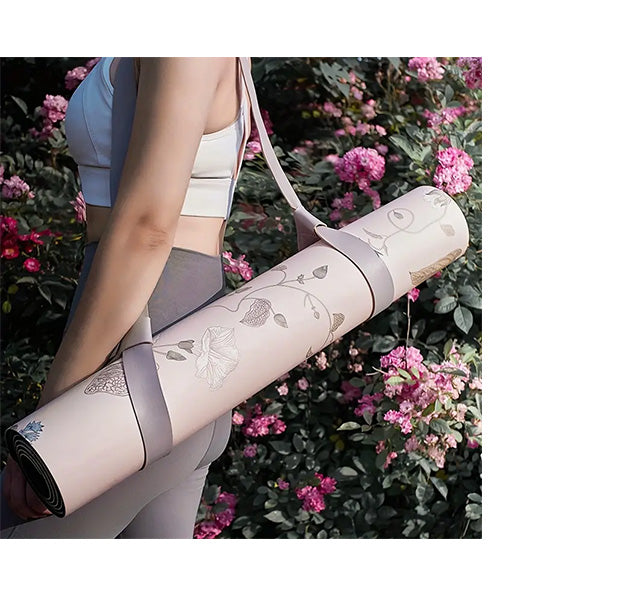
No matter which yoga style you choose, practicing on a high-quality yoga mat can improve comfort, stability, and safety. A supportive mat helps you maintain balance in Vinyasa flows and stay comfortable during long Yin Yoga poses.
Mowin offers durable, non-slip yoga mats designed for both dynamic yoga sessions and restorative practices, helping you build a consistent and enjoyable yoga routine.