

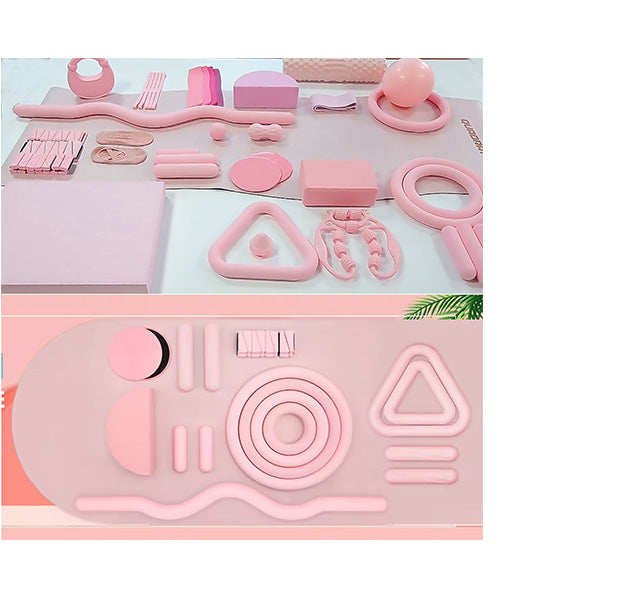

If you’ve ever peeked into a Pilates studio, you’ve likely seen an intriguing array of props: magic circles, resistance bands, small balls, foam rollers, and more. It can feel overwhelming for a beginner. Do you need everything? What truly constitutes a Pilates essential kit?
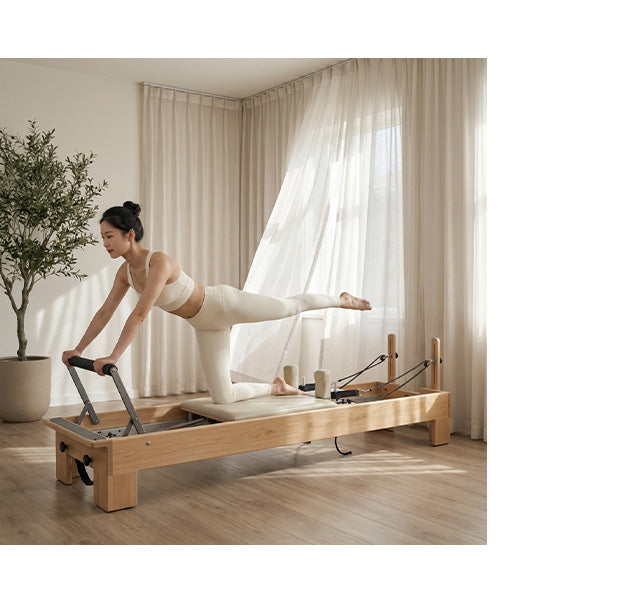
The short answer: you don’t need much to start. Joseph Pilates originally designed his method using just a mat and springs (the famous Reformers came later). But the right accessories can transform your home practice, deepen your body awareness, and prevent injury. As a Pilates instructor, I’ve seen how a thoughtfully curated kit makes the difference between a frustrating session and a flowing, joyful one.
Let’s break down the five core pieces for a complete home Pilates kit—from bare-bones basics to “nice-to-have” upgrades.
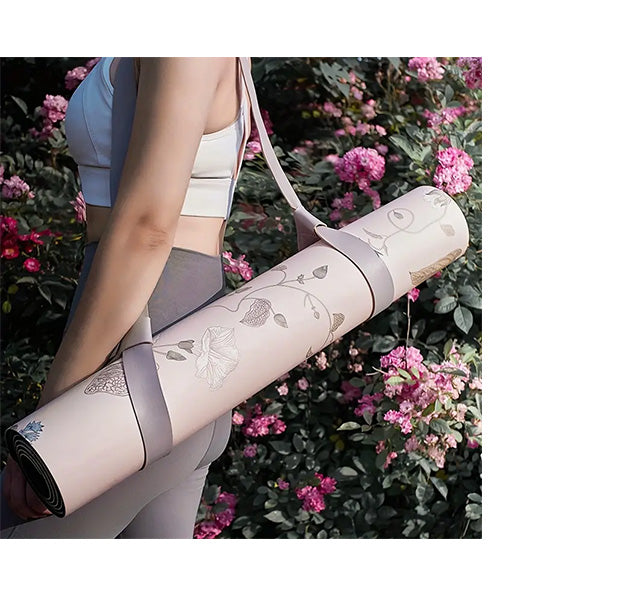
1. The Non-Negotiable: A Good Mat

Not all mats are created equal. A yoga mat is thin (usually 3–5mm) and sticky, designed for standing postures. Pilates involves rolling along the spine, kneeling, and lying on your side. You need cushioning for your tailbone, knees, and spine.
What to look for: Avoid super-squishy memory foam—you need stability for balance work. A mat with a non-slip surface is crucial, especially when you start sweating. If you have joint issues, splurge on a mat with extra density. Price range: $30–80.
My recommendation: MOWIN PU RUBBER YOGA MAT
2. Resistance Bands: Your Portable Springboard
Pilates is all about spring resistance—the push-pull that fires up your inner muscles. At home, resistance bands are the closest substitute to a Reformer. They’re lightweight, cheap, and versatile.
What to look for: A long loop band (like a giant elastic band) rather than physical therapy bands with handles. Loop bands stay secure around ankles or thighs for glute work, or you can grip them for arm series. Get a set of three resistance levels: light (yellow or green), medium (red or blue), and heavy (purple or black). Avoid bands with latex if you have allergies.
Key exercises: Footwork lying on your back (mimics Reformer), standing lateral leg lifts, or bicep curls with the band under your feet.
Pro tip: A band kit costs $12–25. Keep a medium band in your gym bag—you can do a whole Pilates sequence in a hotel room.
3. The Magic Circle: Pilate’ Signature Prop
Also called a Pilates ring, this flexible metal or rubber ring with padded handles is iconic. It’s used to add external resistance to inner thighs, arms, and chest. The magic circle is brilliant for targeting the adductors (inner thighs) and improving pelvic stability.
What to look for: Choose a diameter of 13–15 inches. Spring-loaded steel rings offer more resistance; softer foam rings are gentler for beginners or rehabilitation. Make sure the pads are comfortable—you’ll be squeezing it between your knees or ankles.
Why you’ll love it: It provides instant biofeedback. Squeeze it between your thighs during a bridge, and you’ll feel your glutes and deep core fire up like never before. Many people discover their “inner corset” muscles through the magic circle. Price: $15–30.
4. Small Soft Ball: The Spine’s Best Friend
A 9-inch, slightly squishy ball (also called a Pilates ball or therapy ball) is deceptively powerful. Use it behind your low back for supine work, between your knees for groin activation, or under your sacrum for pelvic tilts.
What to look for: Not a full-size stability ball (that’s a different tool). Look for the smaller “peanut” or standard soft ball made of PVC or rubber with a textured surface. Over-inflate it slightly for firmer support.
Favorite drills: Place the ball behind your lower back while lying down—this lifts your pelvis and teaches you to find neutral spine. Or hold it between your hands behind your head for cervical support during crunches. It’s also fantastic for self-massage: lie on your back, place the ball under a tight glute, and gently roll. Price: $8–15.
5. Foam Roller: Self-Care Upgrade

Technically optional, but once you experience a foam roller, you won’t go back. Pilates emphasizes length and release. A roller helps you massage tight muscles (especially hip flexors, quads, and thoracic spine) before or after your session.
What to look for: A semi-dense roller (not rock-hard, not marshmallow-soft) of 36 inches in length, 6 inches in diameter. Beginners should avoid “grid” or bumpy rollers—start with a smooth surface. A half-round roller is great for balancing exercises but less versatile for massaging.
Key moves: Roll your IT bands, calves, and upper back. Better yet, place the roller along your spine and allow your arms to drop open—it’s a wonderful chest opener. Price: $25–50.
Putting Your Kit Together: Budget vs. Full
You don’t need to buy everything at once. Here are two practical starter kits:
Budget Essential Kit ($55–80):
· High-density mat ($25)
· Set of 3 loop bands ($12)
· Small soft ball ($10)
· Skip the magic circle and roller initially
Complete Home Studio Kit ($120–170):
· Quality Pilates mat ($45)
· Loop band set ($15)
· Magic circle ($25)
· Soft ball ($12)
· Foam roller ($30)
Final Thoughts: Less Gear, More Awareness
Here’s the secret: Pilates is not about the equipment. It’s about precision, breath, and control. The best kit in the world won’t help if you’re rushing through movements. Start with a good mat and one resistance band. Practice the fundamentals—the hundred, roll-up, single-leg stretch. Once you feel confident, add the magic circle or ball to introduce new challenges.
A well-chosen Pilates kit lasts for years. Store your props in a basket or bag so they’re always accessible. And remember: the most essential piece of equipment is your own mindful body. Everything else is just a helper.
Now roll out that mat and begin. Your spine will thank you.