


If you are stepping onto the path of yoga—or upgrading your current gear—one question will inevitably anchor your decision: What is the best yoga mat material?
The material of your yoga mat isn't just a technical specification on a label. It dictates everything about your practice: how much you slip during a sweaty Vinyasa flow, how much cushioning your knees get during a low lunge, how heavy the mat is to carry, and how long it will last.
With so many options on the market, from traditional plastics to cutting-edge eco-fabrics, choosing the right one can feel overwhelming. In this comprehensive guide, we break down every major yoga mat material so you can make an informed, confident choice.
1. Traditional & Synthetic Materials: Performance vs Affordability
PVC
For decades, PVC has been the industry standard for yoga mats. Classic sticky mats from major traditional brands are often made of this material.
-
The Pros: Incredible durability (often lasting for years), excellent stickiness and grip when dry, and highly affordable. PVC mats are non-porous (closed-cell), meaning they don’t absorb sweat and are very easy to clean.
-
The Cons: PVC is not biodegradable and is less environmentally friendly to manufacture. Additionally, if you sweat heavily, a PVC mat can become slick unless paired with a yoga towel.
TPE
TPE is a synthetic blend, usually consisting of plastic and rubber polymers. It was developed as a more eco-conscious alternative to traditional PVC.
-
The Pros: TPE mats are lightweight, UV-resistant, and recyclable. They offer excellent cushion, a comfortable texture, and strong slip-resistance for moderate practices.
-
The Cons: They are typically less durable than PVC or natural rubber. TPE can degrade if exposed to direct sunlight and high heat for extended periods.
POE & Tech Fabrics
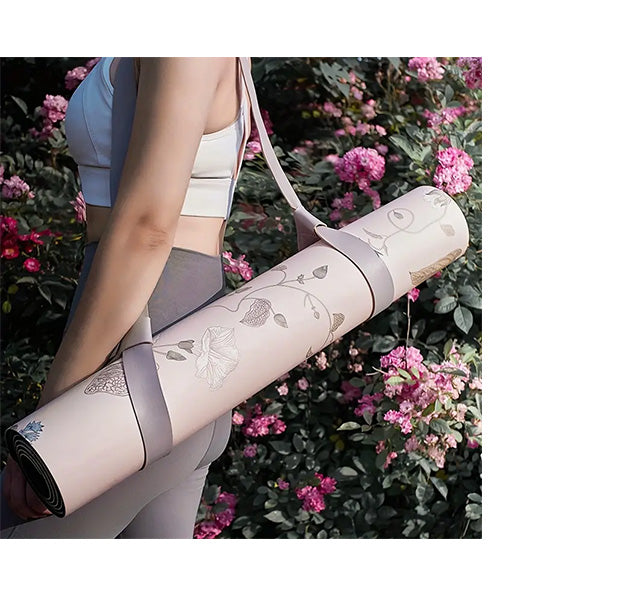
An emerging star in the modern fitness and wellness space is POE blended with high-tech fabrics. This material technology allows for innovative designs, such as premium folding yoga mats that combine sleek aesthetics with extreme portability.
-
The Pros: Exceptionally lightweight, non-toxic, and odorless. When paired with a tech fabric surface, it offers an "Instagram-ready," minimalist aesthetic with excellent tactile feedback, moisture management, and effortless folding lines for on-the-go yogis.
-
The Cons: Premium tech-fabric blends sit at a higher price point and require specific care instructions to maintain the fabric texture.

2. Natural & Eco-Friendly Materials: The Sustainable Choice
For yogis who want their practice to align with environmental mindfulness (Ahimsa), natural materials are the ultimate go-to.
Natural Rubber
Harvested from rubber trees, natural rubber is the gold standard for high-performance, eco-friendly yoga mats.
-
The Pros: Unmatched, textbook-perfect grip. Even during dynamic transitions or light sweat, rubber provides an incredible grounding feel. It offers excellent density and joint protection.
-
The Cons: Natural rubber mats are heavy, making them less ideal for daily commuting. They also have a distinct "rubbery" smell when brand new (which fades over time) and are not suitable for anyone with a latex allergy.
Cork (with TPE or Rubber Base)
Cork mats feature a natural cork top layer heat-sealed to a supportive base layer (usually rubber or TPE).
-
The Pros: Cork contains a natural substance called suberin, which actually becomes more grippy when wet. This makes cork an absolute dream for Hot Yoga. It is naturally antimicrobial, odor-resistant, and visually beautiful with a raw, earthy aesthetic.
-
The Cons: Cork cannot be folded (it must be rolled with the cork side facing out to prevent cracking). It can also feel a bit rougher on sensitive skin initially.

3. Yoga Mat Material Comparison Table
To help you visualize the differences instantly, here is a breakdown of how the top materials stack up across key performance metrics:
| Material Type | Grip Level | Durability | Eco-Friendliness | Weight | Best For |
| PVC | Excellent (Dry) | Superb | Low | Medium | Budget buyers, Studio rentals |
| TPE | Good | Moderate | Medium | Lightweight | Beginners, General home practice |
| Natural Rubber | Superior (All-around) | High | High | Heavy | Advanced yogis, Vinyasa, Ashtanga |
| Cork | Superior (Wet/Sweaty) | High | High | Medium-Heavy | Hot Yoga, Odor-conscious practices |
| POE + Tech Fabric | Good | High | High | Very Light | Travel, Aesthetics, Folding mats |
4. How to Choose Based on Your Yoga Style
Finding the perfect yoga mat material depends entirely on how you move.
-
For Hot Yoga & Intense Sweating: Choose Cork or a mat with a specialized absorbent fabric surface. They thrive on moisture and prevent dangerous slipping.
-
For Travel & Commuting: Opt for POE/Tech Fabric folding mats or ultra-thin TPE travel mats. Weight matters when the mat is on your back.
-
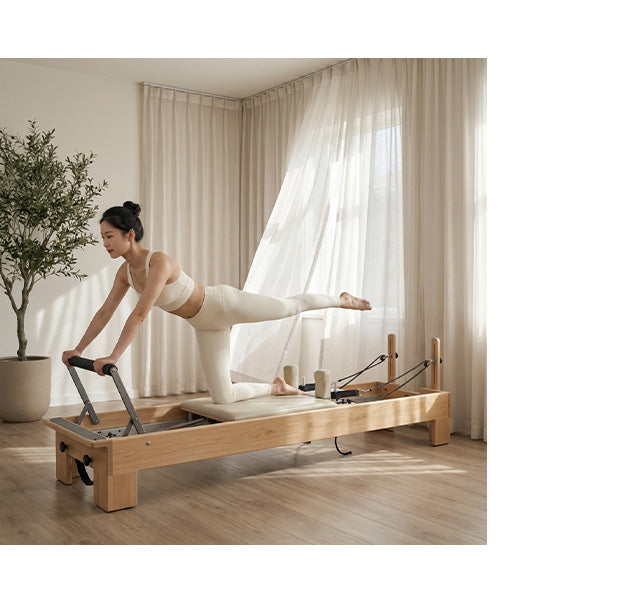
For Yin Yoga & Pilates: Look for thickness and density over extreme grip. A thicker TPE or PVC mat (6mm or higher) provides the necessary cushion for holding poses on the floor for long periods.
-
For Vinyasa & Power Yoga: Natural Rubber is unmatched. You need a stable, heavy-duty foundation that won't bunch up as you jump back into Chaturanga.
Pro Tip on Mat Maintenance: Open-cell materials (like natural rubber and cork) absorb sweat to provide grip, meaning they need deep cleaning more often. Closed-cell materials (like PVC and POE) repel water, making them a breeze to wipe down but slicker when wet.
Final Thoughts
Your yoga mat is the foundation of your practice. Investing in the right yoga mat material ensures that you spend your time focusing on your breath and alignment—not worrying about slipping, joint pain, or chemical odors.
Take a look at your weekly routine, weigh your environmental priorities against your budget, and choose the material that feels like a natural extension of your body.