


In the world of yoga, colors play a powerful role that goes beyond aesthetics. The colors chosen for yoga accessories like mats, blocks, and straps can have a significant impact on a practitioner’s experience and influence purchasing decisions. Understanding the subtle nuances of color marketing can help yoga brands differentiate themselves in a saturated wellness market.
From calming hues to energizing shades, each color can evoke specific emotions and moods. This article explores the psychology of color in yoga accessories and how understanding these associations can enhance the customer experience and guide brands in offering products that resonate deeply with their audience.
For yoga brands and studio owners, selecting the right yoga accessory colors is not only a design choice but also a strategic way to connect with customer emotions and create a memorable brand identity.By aligning product palettes with psychological triggers, businesses can effectively boost customer retention and brand loyalty.

1. The Calming Effect of Blue and Green
Blue and green are colors often associated with tranquility, nature, and balance.
Studies in psychology suggest that blue has a calming effect on the mind and body, which is why it’s commonly found in products meant for relaxation. In yoga, blue mats or blocks can help create a serene environment, perfect for meditation or restorative practices. For practitioners dealing with high levels of daily stress, a navy or sky-blue mat acts as a visual cue to slow down and breathe deeply.
Green, on the other hand, is linked to growth and renewal, connecting practitioners to a sense of harmony with nature. As "biophilic design" becomes a major trend in wellness, forest green and sage-colored accessories are increasingly popular for those seeking a "back-to-nature" vibe indoors.
For brands, choosing blue or green accessories appeals to customers looking for peace, stability, and a connection to the natural world.
- Best suited for: Meditation accessories, restorative yoga mats, and products aimed at stress relief.
These colors are also popular for wellness studios and mindfulness-focused yoga spaces, where creating a peaceful atmosphere is essential. They are the top-selling shades for Hatha yoga beginners who prioritize relaxation over intensity.
2. Energizing Red and Orange for High-Intensity Practice
Red and orange are known as energetic colors.
Red symbolizes vitality, courage, and excitement, stimulating a sense of passion and motivation. In psychological studies, red is found to increase heart rates and energy levels, making it ideal for high-intensity practices.A bold red mat can provide the "adrenaline boost" needed for challenging arm balances and inversions.
Similarly, orange is associated with enthusiasm, positivity, and warmth, helping to create a dynamic, welcoming environment.It is often the go-to color for creative flow sequences where self-expression is key.
Yoga accessories in red and orange are great choices for power yoga or fitness-focused classes where energy and movement are key.
- Best suited for: Power yoga props, high-energy class accessories, and fitness-oriented yoga products.
Brands targeting younger or more active audiences often use bright and energetic yoga mat colors to convey movement, strength, and motivation.
3. The Grounding Effect of Earth Tones
Colors like brown, beige, and taupe are known for their grounding qualities.
These earth tones connect people with stability, dependability, and the natural world. In yoga, where practitioners seek balance and calm, earth-toned accessories can reinforce feelings of focus and grounding.
Psychologically, these colors are linked to trust, reliability, and simplicity, helping customers feel more rooted in their practice environment. For many, practicing on a terracotta or sand-colored mat mimics the ancient tradition of practicing directly on the earth (Bhumisparsha).
Brands that emphasize eco-friendliness or sustainability often choose earth tones, appealing to customers who value natural aesthetics and environmentally conscious products.These vibrant shades are also highly "Instagrammable," making them perfect for social media marketing campaigns products. These shades naturally complement sustainable materials like organic cork, jute, and natural tree rubber.
Best suited for: Eco-friendly yoga products, grounding props, and accessories for holistic wellness classes.
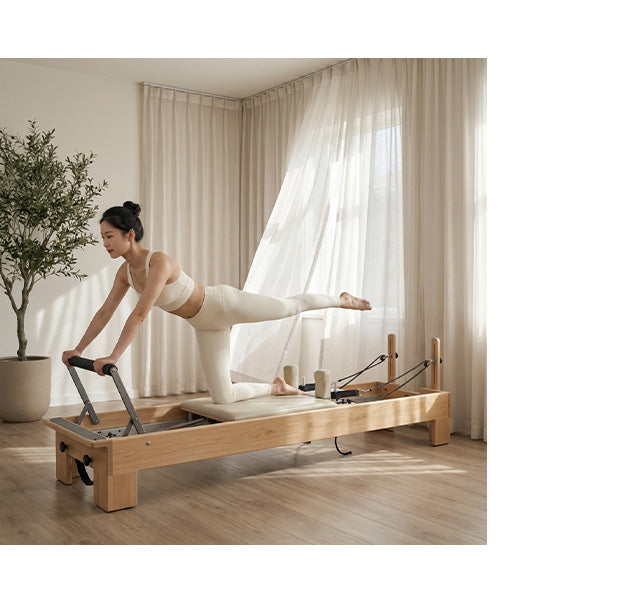
Earth-tone yoga mats have also become popular in minimalist home studios, where neutral colors help create a calm and uncluttered environment.

4. Inspiring Joy with Yellow
Yellow is the color of optimism, creativity, and energy.
It’s known to stimulate mental activity and encourage feelings of happiness and positivity. For yoga practitioners, yellow accessories can be uplifting and inspiring, adding a sense of playfulness to the practice.
However, yellow is a bold color, so it works best in small doses or as an accent to avoid overwhelming the senses.
Brands can use yellow sparingly to add a touch of brightness to a product lineup, enhancing customer perception of warmth and friendliness.
- Best suited for: Yoga straps, small props, or accent details in mats and blocks to create a joyful practice space.
When used thoughtfully, yellow elements can also help create a visually stimulating and motivating practice environment for beginners.
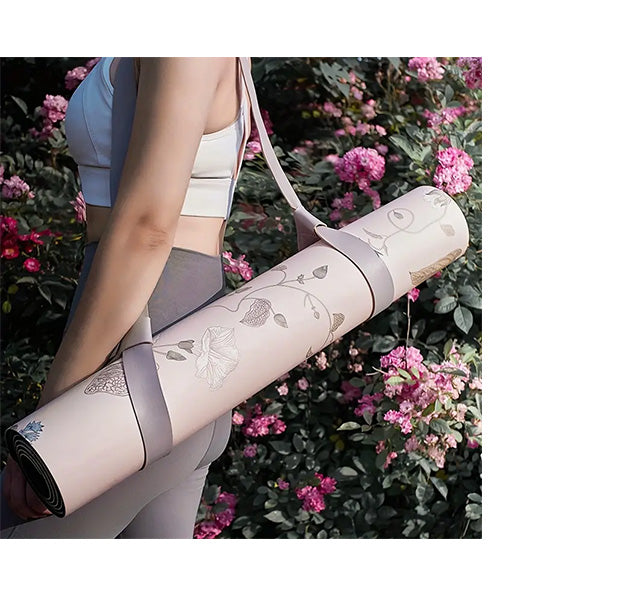
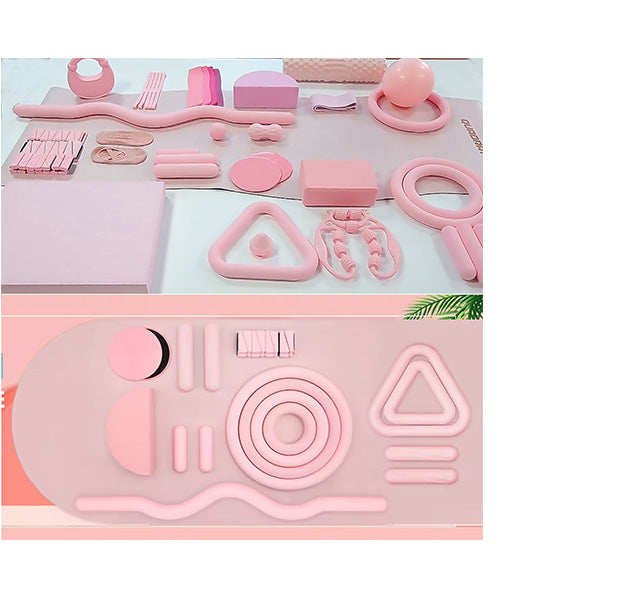
5. Pink and the Heart Connection
Pink is often associated with love, compassion, and emotional warmth.
In yoga philosophy, pink is sometimes connected to the heart chakra (Anahata), which represents empathy, compassion, and emotional healing.
Using pink in yoga mats or props can foster a nurturing atmosphere, helping practitioners feel more connected to themselves and others.
Light pink tones, in particular, create a soft and calming presence that enhances introspective or mindfulness-focused practices.
Best suited for: Accessories for mindfulness, heart-opening practices, and gentle yoga sessions.
Many wellness brands use pink yoga accessories to create a welcoming and supportive atmosphere, especially in classes focused on relaxation, self-care, or emotional well-being.
6. Purple for Spiritual Connection
Purple is often linked to spirituality, wisdom, and mystery.
It is commonly associated with the crown chakra (Sahasrara), the energy center related to enlightenment and higher consciousness.
In yoga, purple can foster a deeper spiritual connection, making it a fitting choice for accessories used in meditation or introspective practices.
Yoga brands often use purple to appeal to customers seeking a transformative and meaningful yoga experience.
Best suited for: Meditation cushions, yoga mats for spiritual practices, and mindfulness accessories.
Deep purple shades are also widely used in luxury wellness products, as the color often conveys elegance and premium quality.
7. The Neutrality of Gray and Black
Gray and black are versatile colors that offer sophistication and neutrality.
Black often symbolizes strength, stability, and protection, while gray represents calmness and balance.
These colors work well for yoga accessories that are meant to blend into any studio environment or interior style.
In color psychology, black and gray provide a grounding effect without drawing too much attention, allowing practitioners to focus entirely on their practice.
For brands, these colors communicate reliability, professionalism, and durability.
Best suited for: Durable mats, universal props, and accessories for minimalist or professional settings.
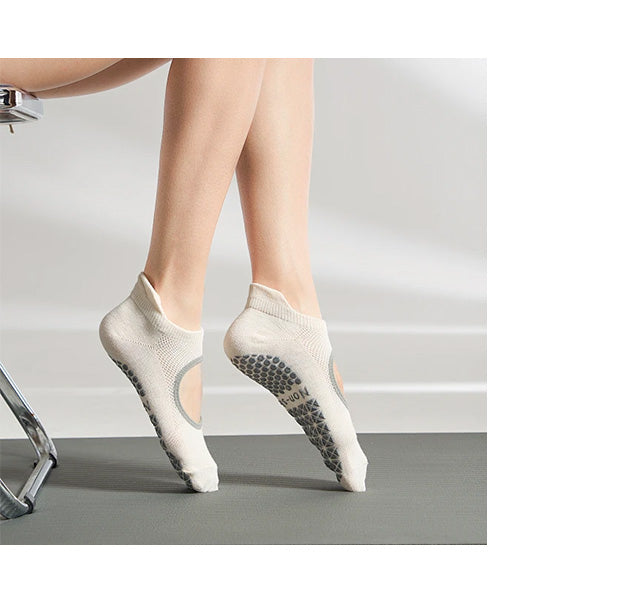
Neutral-colored yoga mats are also popular among practitioners who prefer a clean, modern aesthetic or want a mat that matches multiple workout environments.
Conclusion: The Power of Color in Yoga Accessories
Understanding the psychology of color can help brands create yoga accessories that resonate with customers on a deeper emotional level.
By selecting colors that align with the emotional and psychological needs of yoga practitioners, brands can enhance the overall product experience.
Whether it’s the calming effect of blue and green, the grounding nature of earth tones, or the spiritual resonance of purple, each color choice influences how customers connect with their practice.
Brands that thoughtfully incorporate color psychology in yoga accessory design not only meet customer expectations but also foster stronger brand loyalty.
As customers increasingly seek products that reflect their values and lifestyle, the right color choices can transform everyday yoga accessories into meaningful tools for relaxation, personal growth, and mindful living.
For yoga brands and studios, offering a thoughtfully curated range of yoga mat colors and accessory palettes can help attract diverse customers while enhancing the overall visual harmony of a practice space.