


In the vast landscape of yoga asanas, some poses stand out not for their complexity or physical intensity, but for their ability to nurture, soothe, and connect the practitioner to a sense of deep comfort. One such pose is Cradle Pose—known in Sanskrit as Eka Pada Sarvangasana in some contexts, though its more common, gentle variation is often referred to simply as Cradle Pose. Unlike dynamic poses like Sun Salutations or challenging inversions like Headstands, Cradle Pose is a restorative, supine asana that focuses on release, relaxation, and gentle stretching. It is a pose of safety and ease, making it accessible to yoga practitioners of all levels, from beginners to advanced yogis seeking a moment of calm.
At its core, Cradle Pose is a hip-opening and back-soothing asana that involves hugging the knees to the chest, creating a shape that mimics the security of a cradle. To practice it correctly, start by lying flat on your back on a yoga mat, with your legs extended and arms resting comfortably by your sides. Take a few deep breaths to center yourself, inhaling through the nose and exhaling slowly through the mouth. As you exhale, bend your knees and bring them toward your chest, allowing your feet to lift off the mat. Once your knees are close to your torso, wrap your arms around your shins or thighs—whichever feels more comfortable—and gently pull your knees closer to your chest. You can rest your head on the mat, keeping your neck relaxed, or slightly lift your chin to create a gentle stretch along the back of your neck (avoid straining here). For an added element of release, you can gently rock your body from side to side, allowing the motion to massage your lower back and soothe any tension. Hold the pose for 30 seconds to 2 minutes, focusing on deep, rhythmic breathing throughout.
While Cradle Pose may seem simple, its benefits for both the body and mind are profound. Physically, it is an excellent stretch for the lower back, hips, and glutes—areas that often hold tension from sitting for long periods, standing, or physical activity. The gentle pressure of the arms on the knees also helps to release tightness in the lower back, alleviating discomfort and promoting spinal flexibility. Additionally, Cradle Pose can help to improve digestion by massaging the abdominal organs, stimulating the digestive system, and relieving bloating or constipation. For those who struggle with tight hips (a common issue in modern life), the pose provides a gentle opening, reducing stiffness and improving range of motion over time.
Mentally and emotionally, Cradle Pose is a powerful tool for relaxation and stress relief. The pose’s curled, fetal-like shape creates a sense of safety and security, triggering the body’s parasympathetic nervous system—the “rest and digest” response—which helps to lower stress hormones like cortisol, slow the heart rate, and calm the mind. Many practitioners describe feeling a sense of warmth or comfort while in the pose, similar to the feeling of being held or nurtured. This makes Cradle Pose an ideal choice for times of anxiety, overwhelm, or emotional fatigue. It can also be used as a transition pose between more active asanas, helping to ground the body and mind before moving on to the next sequence, or as a closing pose before Savasana (Corpse Pose) to deepen relaxation at the end of a yoga practice.
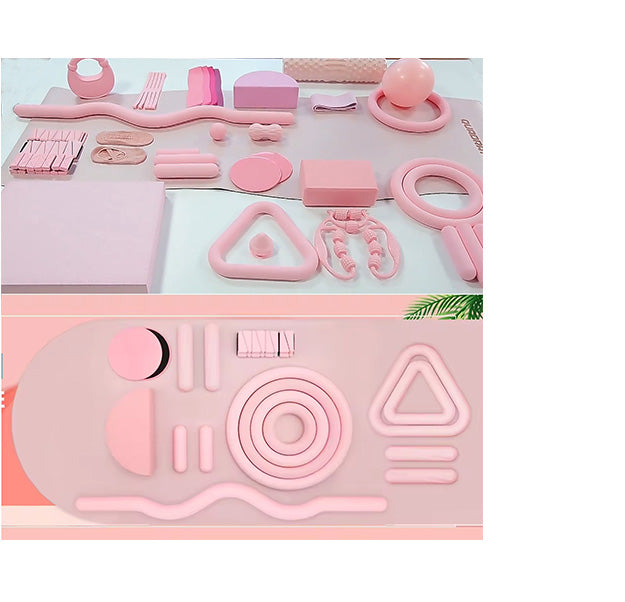
One of the greatest strengths of Cradle Pose is its accessibility. Unlike some yoga asanas that require strength, balance, or flexibility, Cradle Pose can be modified to suit almost any body type or ability level. For those with tight hips or lower back pain, placing a yoga block or folded blanket under the sacrum (the triangular bone at the base of the spine) can provide additional support and reduce pressure. If wrapping the arms around the knees is uncomfortable, practitioners can rest their hands on their lower back or hold onto their ankles instead. Even those with injuries—such as knee or back injuries—can benefit from the pose with proper modification, though it is always recommended to consult a yoga instructor or healthcare provider before practicing if you have a chronic condition or recent injury.
Cradle Pose is also a versatile pose that can be practiced in a variety of settings, not just during a formal yoga class. It can be done first thing in the morning to gently wake up the body and set a calm tone for the day, or in the evening to unwind after a long day of work or activity. It is also a great pose to practice when you’re feeling restless or having trouble sleeping, as its relaxing effects can help to prepare the body for rest. Many parents even use a modified version of Cradle Pose to soothe fussy babies, holding the baby in a similar curled position to promote comfort and calm—further emphasizing the pose’s connection to nurturing and care.
In a world that often values busyness, intensity, and productivity, Cradle Pose reminds us of the importance of slowing down, resting, and nurturing ourselves. It teaches us that yoga is not just about pushing our bodies to their limits, but about listening to our bodies’ needs and honoring them with kindness and care. Whether you’re a seasoned yogi or new to the practice, Cradle Pose offers a simple yet profound way to connect with your body, calm your mind, and find a moment of peace in the chaos of daily life.
In conclusion, Cradle Pose is more than just a yoga asana—it is a practice of self-compassion. Its gentle stretch, comforting shape, and relaxing effects make it a valuable addition to any yoga routine, and its accessibility ensures that everyone can benefit from its healing properties. So the next time you’re feeling tense, stressed, or simply in need of a moment of calm, lie down, hug your knees to your chest, and let Cradle Pose hold you in its gentle embrace. Your body and mind will thank you.