



Most runners spend hours researching the perfect pair of shoes, investing in high-tech gear, and mapping out scenic routes—yet one of the most critical elements of a successful run often goes overlooked: the humble sock. Running with socks is not merely a matter of comfort; it is a non-negotiable part of the running ritual that protects, supports, and enhances every step. To dismiss socks as an afterthought is to ignore the quiet work they do, turning a potentially painful slog into a smooth, enjoyable journey.

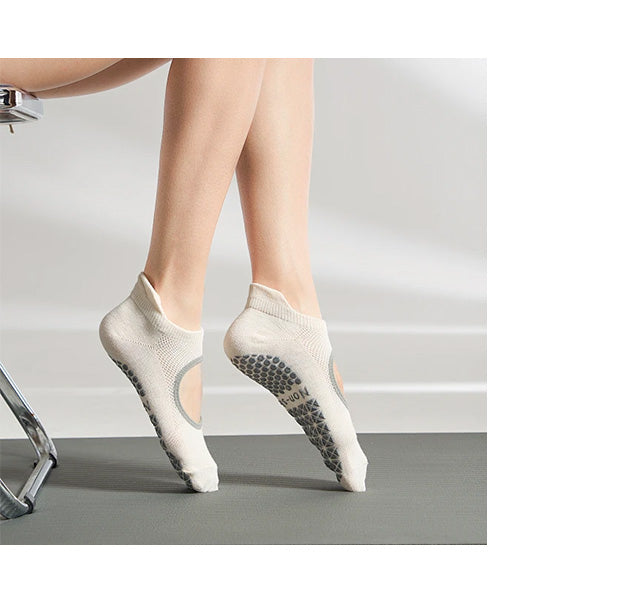
The first and most vital role of running socks is protection. Anyone who has attempted a run without socks knows the consequences: blisters that form between toes, raw skin rubbing against shoe fabric, and even calluses that harden into painful irritants. Running socks are engineered to prevent this damage through thoughtful design. Many feature seamless toes to eliminate friction points, while others use targeted cushioning on the heel and ball of the foot—areas that bear the brunt of each stride. Moisture-wicking materials like merino wool or synthetic blends pull sweat away from the skin, keeping feet dry and reducing the risk of blisters caused by dampness. On a long trail run or a hot summer jog, these features aren’t luxuries; they’re lifelines that let runners focus on their pace rather than nursing sore feet.
Beyond protection, running socks offer a level of support that complements even the best running shoes. Unlike ordinary cotton socks, which bunch up and lose shape mid-run, performance socks are designed to hug the foot’s contours. Compression socks, a popular choice among distance runners, improve blood circulation by applying gentle pressure to the calves and ankles, reducing muscle fatigue and speeding up recovery. Even non-compression styles provide arch support, preventing the foot from collapsing inward (overpronation) and aligning the body for more efficient movement. This subtle support adds up over miles, turning a strained run into one where the body feels balanced and strong.
Running with socks also carries a quiet emotional weight, becoming a ritual that signals the transition from daily life to the runner’s mindset. For many, pulling on a favorite pair of socks—whether they’re neon-bright or muted gray, worn thin at the heels or brand new—is the first step in mentally preparing to hit the road. It’s a small, intentional act that separates “I have to run” from “I get to run.” I remember a cold winter morning when I forgot my running socks and had to borrow a pair from my roommate. They were too thick, too loose, and every step felt off; by the end of the run, I was more frustrated than refreshed. That day taught me that socks aren’t just gear—they’re part of the routine that makes running feel like home.
Critics might argue that barefoot running or minimalist socks are better for “natural” movement, but the data and anecdotes tell a different story. Studies have shown that runners who wear proper socks have 30% fewer foot injuries than those who don’t, and elite runners almost universally swear by their go-to sock brands. The key isn’t to abandon socks for the sake of trend; it’s to choose the right ones—ones that fit well, wick moisture, and support your unique stride.
In the end, running with socks is a reminder that great things often come in small packages. The sock may never get the same attention as a high-end shoe or a fancy fitness tracker, but it works tirelessly with every step, turning potential pain into progress. Next time you lace up, take a moment to appreciate the sock on your foot. It’s not just fabric—it’s the unsung hero that carries you forward, one stride at a time.