

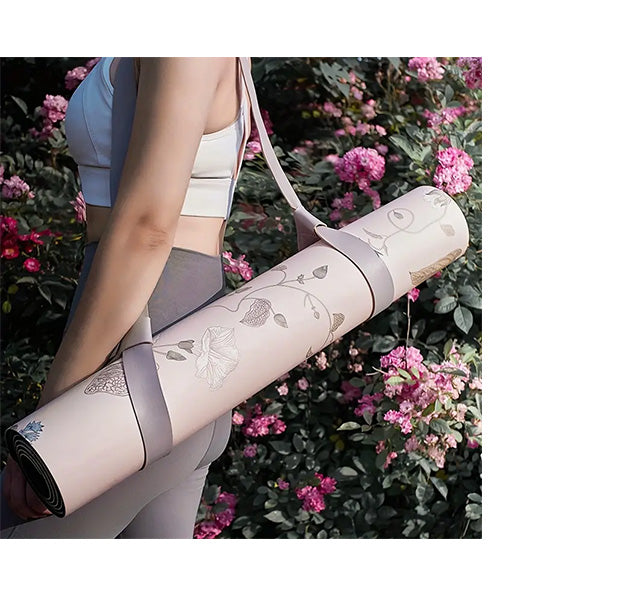
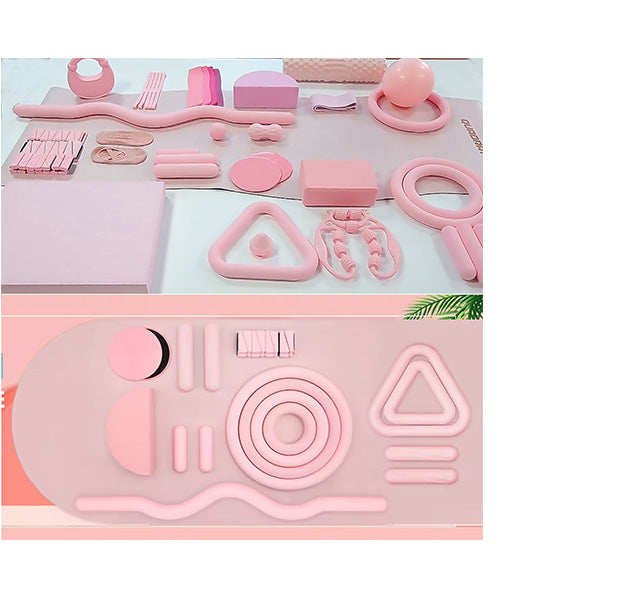
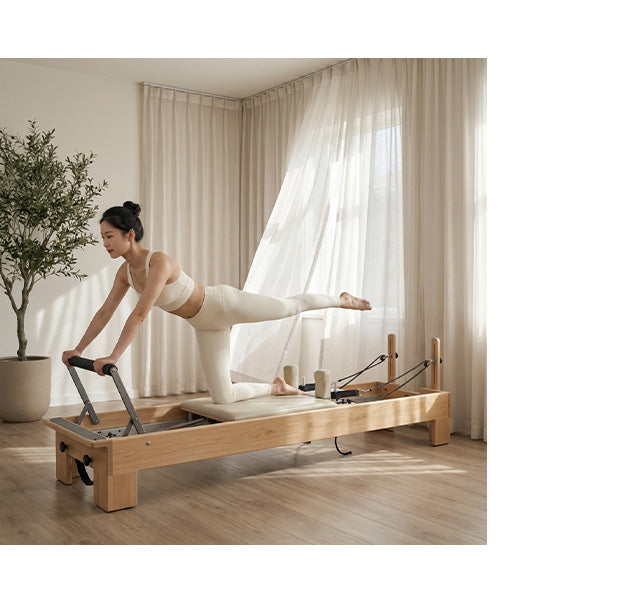

In a world that glorifies “pushing limits” and “no pain, no gain,” restorative yoga stands as a gentle rebellion—a practice that teaches us to heal by slowing down, letting go, and embracing ease. Unlike dynamic yoga styles that demand strength and flexibility, restorative yoga is rooted in stillness, supported poses, and deep relaxation. And if there’s one secret to unlocking its full healing power, it’s this: props are not just accessories—they are your most loyal, reliable best friends on the mat.
Restorative yoga’s core purpose is to activate the parasympathetic nervous system, our body’s “rest and digest” mode, which counteracts the constant stress of modern life that keeps us stuck in “fight or flight”. To do this, we need to hold poses for 5 to 20 minutes—far longer than in traditional yoga—without straining, fidgeting, or distracting ourselves with discomfort. This is where props step in: they create a safe, supported space where your body can fully relax, your mind can quiet, and true healing can begin.
Let’s dispel a common myth first: using props is not a sign of weakness or inexperience. In fact, the father of modern prop use in yoga, B.K.S. Iyengar, designed props specifically to make yoga accessible to every body—regardless of age, flexibility, injury history, or fitness level. Restorative yoga is not about “perfecting” a pose; it’s about feeling nourished by it. Props help you do exactly that by eliminating strain, supporting proper alignment, and allowing you to sink deeper into relaxation without effort.
The most essential props for restorative yoga—bolsters, blocks, blankets, and straps—each play a unique role in your practice, acting as silent partners that adapt to your body’s needs. A bolster, for example, is the heart of restorative practice: it replaces the need for muscle engagement by supporting your spine, hips, or chest in poses like Supported Bridge or Reclined Bound Angle. Instead of tensing your core to hold a pose, you can rest fully on the bolster, letting gravity do the work and allowing your muscles to soften into deep release.
Yoga blocks are another game-changer, especially for beginners or those with tight hips, shoulders, or hamstrings. They “bring the floor to you,” filling the gap between your body and the mat so you can maintain proper alignment without stretching beyond your limits. In Supported Fish Pose, a block under your sternum gently opens your chest and relieves tension in your shoulders—something that would be uncomfortable or even straining without support. Blankets, often overlooked, add warmth and cushioning: folded under your knees in Child’s Pose or under your head in Legs-Up-the-Wall, they turn discomfort into comfort, letting you stay in a pose longer and reap more benefits.
Straps, too, are invaluable, especially for those with limited flexibility. They extend your reach without forcing your body into unnatural positions—whether you’re using one to gently hold your legs in a seated forward fold or to keep your shoulders relaxed in a reclined twist. Together, these props create a personalized support system that meets you exactly where you are, no matter how your body feels on any given day.
The magic of props in restorative yoga goes beyond physical comfort: they foster emotional safety, too. When your body feels supported, your mind can let go of worry, anxiety, and the need to “perform”. You’re not focused on adjusting your pose or hiding discomfort; you’re focused on your breath, your sensations, and the quiet stillness within. This is where true healing happens—when your nervous system calms, cortisol levels drop, and your body and mind reset.
Whether you’re a seasoned yogi or just starting out, props make restorative yoga accessible, inclusive, and deeply nourishing. They remind us that yoga is not about pushing ourselves to our limits, but about meeting ourselves with kindness. So the next time you roll out your mat for a restorative practice, grab your bolster, blocks, and blankets—your best friends on the mat. They’ll support you, comfort you, and guide you toward the deep relaxation and healing you deserve. After all, in a practice that’s all about letting go, having a little help from your props is not just okay—it’s essential.