


Say goodbye to stiffness and embrace the wonderful benefits of forward bending.
In the world of yoga, there is a pose that seems simple yet contains profound benefits—it is Prasarita Padottanasana, or the Wide-Legged Forward Bend. This pose not only effectively stretches the back of the legs and back muscles but also promotes blood circulation and calms the brain. Whether you are a yoga beginner or an experienced practitioner, Prasarita Padottanasana can bring you unexpected rewards.
What is Prasarita Padottanasana?
Prasarita Padottanasana is a Sanskrit name where "Prasarita" means "expanded, spread out, or stretched," "pada" means "foot," "ut" indicates "intense," and "tan" means "to stretch" or "extend." Literally, it is a pose that involves intense stretching through widely separated feet.
In English, it is commonly called the Wide-Legged Forward Bend or Wide-Legged Forward Fold. It is a symmetrical standing forward bend, ranging from beginner to intermediate difficulty.

Detailed Steps for Prasarita Padottanasana
Correct practice is key to gaining the benefits of Prasarita Padottanasana. Here are the basic steps:
- Starting Position: Stand in Tadasana (Mountain Pose) with your feet about one leg's length apart (approximately 120-150 cm; taller people may need a wider stance). Keep the outer edges of your feet parallel, toes pointing straight ahead or slightly inward.
- Preparation: Place your hands on your hips. Inhale, lift your chest, and extend your spine upward, drawing your shoulders back.
- Forward Folding: Exhale and, hinging from your hip joints, keep your back straight as you fold your torso forward and down. When your torso is parallel to the floor, place your hands on the floor, one at a time.
- Deepening the Pose: If possible, continue to fold forward, bend your elbows, and bring the crown of your head to the floor. Ideally, your feet, hands, and head should be in a straight line.
- Holding and Breathing: Hold the pose for 5-8 breaths, feeling the extension in your spine and the stretch in your legs.
- Release: Inhale, lift your head to look forward, place your hands back on your hips, and slowly rise to a standing position.

FAQ About Prasarita Padottanasana
1. Which parts of the body does Prasarita Padottanasana mainly work?
Prasarita Padottanasana is a full-body pose that primarily works and stretches the following areas: the inner thighs and back of the legs (adductors and hamstrings), the entire spine, and the hip muscles. It also massages the abdominal organs.
2. What are the specific benefits of Prasarita Padottanasana?
- Promotes Blood Circulation: Blood flows to the torso and head, increasing oxygen supply to the brain and promoting mental clarity.
- Enhances Digestion: Tones the abdominal organs and improves digestion.
- Relieves Back Discomfort: Gently stretches the spine, alleviating mild back pain.
- Calms the Brain: Helps relieve headaches and fatigue, relaxing the cerebral cortex.
- Shapes the Legs: Strengthens leg muscles and helps tone the legs.
3. Who should avoid practicing Prasarita Padottanasana?
Individuals with lumbar or lower back issues must be very careful when entering and exiting the pose. Women during menstruation, and individuals with glaucoma or retinal detachment should avoid having the head below the heart; they can use a chair for support. Those with severe hypertension or heart conditions should also practice cautiously or remain at the beginner's stage.
Common Mistakes and Corrections
Even experienced practitioners can make the following mistakes when practicing Prasarita Padottanasana:
- Excessive Knee Bend: Often due to tight hamstrings. Focus on stretching the back of the legs and practice preparatory poses like Uttanasana (Standing Forward Bend).
- Rounded Back and Hunched Shoulders: During practice, focus on extending the spine and learning to tilt the pelvis. You can bend your knees slightly initially, focusing on lengthening the spine.
- Rising Too Quickly: When coming up from a deep forward bend, place your hands on the floor first and then rise slowly to avoid dizziness.
Assisted Practice Methods
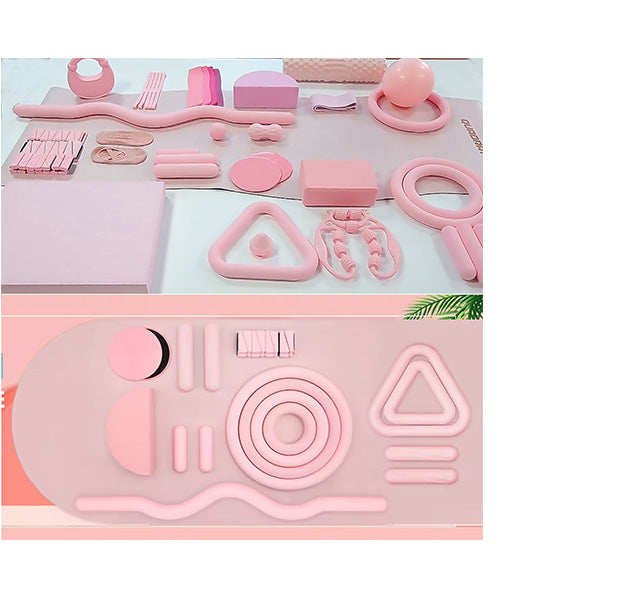
For beginners or those with limited flexibility, the following tools can assist in practicing Prasarita Padottanasana:
- Using Yoga Blocks: Place blocks under your hands to reduce the distance to the floor.
- Using a Wall: Practice near a wall for added stability.
- Using a Chair: Place a chair in front of you to support your head or arms.
- Using a Strap: Loop a strap around your thighs to help maintain correct leg alignment.
Breathing Techniques in Prasarita Padottanasana
Breathing is crucial in Prasarita Padottanasana. Gravity causes the diaphragm to move towards the head; directing the breath into the back of the rib cage can facilitate breathing. The more the pelvis tilts forward, the easier the breathing and torso movement become.
Inverted poses reverse the usual breathing pattern, aiding inhalation and venous return from the lower body. This breathing pattern also regulates circulation and changes the action of muscles and organs normally affected by gravity in an upright position.
Variations of Prasarita Padottanasana
Prasarita Padottanasana has several variations that target different areas:
- Variation A: Hands clasped behind the back.
- Variation B: Hands in Anjali Mudra (prayer position) behind the back.
- Variation C: Clasping the hands and stretching them forward.
- Variation D: Palms pressed firmly together.
Practical Tips
- Best Time to Practice: Prasarita Padottanasana is suitable for practicing in the morning to awaken the body and mind, or in the evening to promote relaxation.
- Combining with Other Poses: Integrate Prasarita Padottanasana into sequences with other forward bends and standing poses.
- Listen to Your Body: If you feel sharp pain or significant discomfort during practice, slowly exit the pose.
- Progress Gradually: Don't force your head to the floor. The focus should be on maintaining spinal length and pelvic tilt.
Prasarita Padottanasana (Wide-Legged Forward Bend) is a comprehensive pose with multiple benefits, strengthening the body while calming the mind. Through regular practice, you will find yourself not only more flexible and stronger but also with a more peaceful state of mind. Remember, the focus of yoga practice is not on achieving the perfect pose, but on self-awareness and growth during the process.
Try incorporating Prasarita Padottanasana into your daily practice and experience the changes this simple yet profound pose brings!
Friendly Reminder:The content of this article is for fitness knowledge sharing only and does not constitute professional medical advice. If you have specific health concerns, please consult a professional doctor or yoga instructor.
Picture Source:https://tinyurl.com/4am6eaz3、https://tinyurl.com/bdd88pb9