

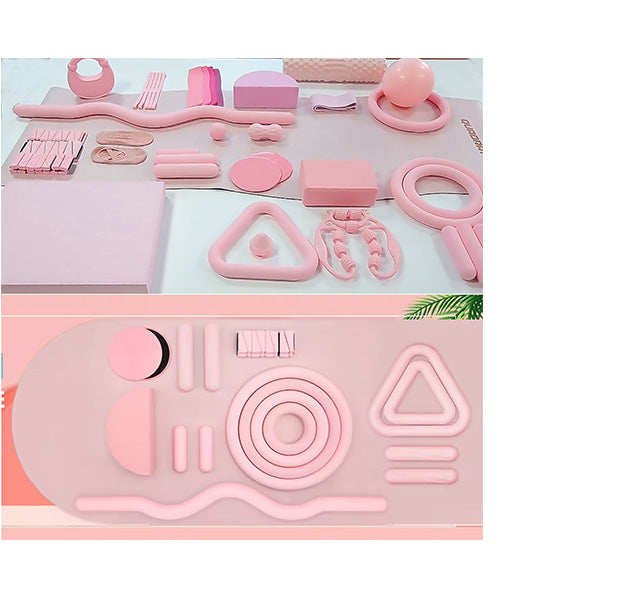
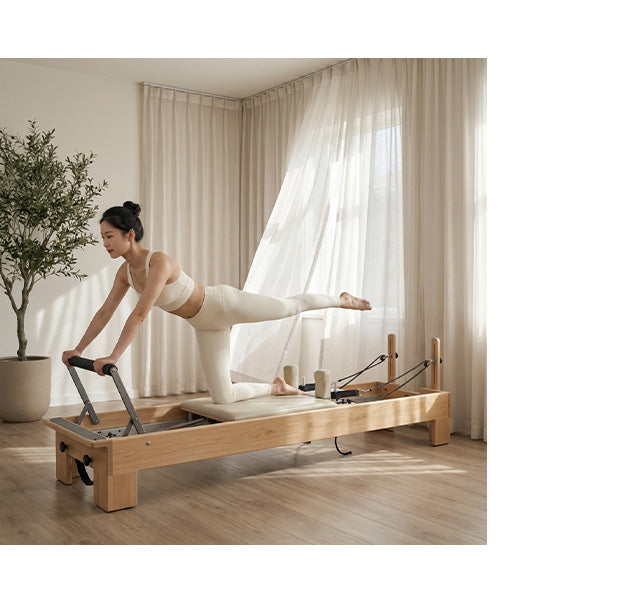

When traditional Pilatis meets the magical resistance ring, a revolution in precise body sculpting and deep muscle activation quietly unfolds. This circular device, known as the Pilates Ring (or "Magic Circle" in fitness circles), is redefining home fitness possibilities with its unique bidirectional resistance design. From postpartum recovery to spinal correction, from core strengthening to full-body sculpting, this 30-35cm diameter circular tool is sparking a global trend in high-end studios and home workout spaces.

I. The Biomechanical Code of the Magic Circle
Unlike traditional resistance bands that offer linear tension, the Pilates Ring creates uniform 360° resistance through its closed-loop structure. When performing side leg lifts while squeezing the ring between the thighs, the gluteus medius and transverse abdominis work as antagonistic muscle groups in coordinated contraction. This combination of "dynamic stability + eccentric control" represents the precise neuromuscular feedback mechanism emphasized in professional Pilates training. Studies show its low-load repetitive training mode improves proprioception by 42% and joint-surrounding muscle endurance by 28% in older adults.
Material selection directly impacts training effectiveness: High-rebound TPE ring bodies generate progressive resistance during compression, preventing joint shock from sudden recoil; thickened non-slip rubber coatings ensure stable grip even with sweaty hands; rounded edges prevent sports injuries. Laboratory tests reveal premium ring bodies maintain 98.7% shape recovery after 100,000 opening/closing cycles.
II. The Golden Exercise Library for Core Activation
1. Pelvic Floor Awakening Technique (Bridge with Ring Squeeze)
- Execution: Lie supine with knees bent, place ring between thighs. Inhale to posteriorly tilt pelvis, exhale while squeezing ring to lift hips until shoulders-hips-knees form straight line
- Biomechanics: Ring resistance activates pelvic floor muscles while transverse abdominis contraction creates a "natural corset". After 3 sets, core stability improves significantly
-
Progression: Single-leg bridge with ring for 20% additional balance challenge

2. Spinal Correction Combination (Swan + Roll Up)
- Swan Movement: Prone position with hands pressing ring, use scapular retraction to drive thoracic extension (65% improvement in rounded shoulders)
- Roll Up Progression: Supine with ring around ankles, use arm extension to roll spine up sequentially (enhanced deep abdominal activation)
- Rehabilitation Application: Scoliosis patients show average 3.2° Cobb angle reduction after 3 months of breath-coordinated training
3. Lower Body Sculpting Matrix (Side Leg Lift + Clam Shell)
-
Side Leg Lift: Lateral position with ring against outer thigh, slowly lift leg to 45° and hold 3 seconds (increased outer thigh fat burning efficiency)

- Clam Shell Progression: Knee-bent position with ring between knees, add posterior pelvic tilt at peak contraction for precise gluteus medius targeting
- Sports Science Data: 4-week continuous training reduces thigh circumference by an average of while elevating hip line
III. Scene-Based Training Programs
1. Morning Wake-Up Sequence (10 minutes)
- Wall Squat with Ring: Activate lower body stabilizers to counteract hip stiffness from prolonged sitting
- Seated Twist: Place ring horizontally across chest while rotating spine to awaken core control
- Cat Stretch: Position ring under hand backs to enhance shoulder girdle stability
2. Office Micro-Workout (5 minutes)
- Chair Squat: Place ring between thighs for anti-sedentary fatigue resistance
- Invisible Back Opener: Press hands behind back against ring to correct desk posture
- Ankle Pump: Wrap ring around foot sole to promote lower limb circulation
3. Pre-Sleep Recovery Routine (8 minutes)
- Supine Pelvic Clock: Place ring between knees while drawing pelvic circles
- Dead Bug Resistance: Hold ring between hands and feet for core-extremity linkage strengthening
- Breathing Relaxation: Gently press ring against abdomen during diaphragmatic breathing
IV. Equipment Selection Pitfall Guide
- Resistance Level: Beginners should choose light resistance (8-12cm deformation range), advanced users medium resistance (5-8cm deformation)
- Grip Design: Prioritize dual-handle models with anti-slip textures to prevent mid-exercise slippage
- Noise Test: Perform opening/closing tests on wooden floors - quality rings should produce minimal friction sounds
V. Training Safety Precautions
- Avoid use on slippery surfaces; use non-slip mats
- Knee injury patients should modify leg-squeezing movements or focus on upper body exercises
- Limit training frequency to 3-4 times weekly for connective tissue recovery
- Pregnant women should use under professional guidance to avoid abdominal compression
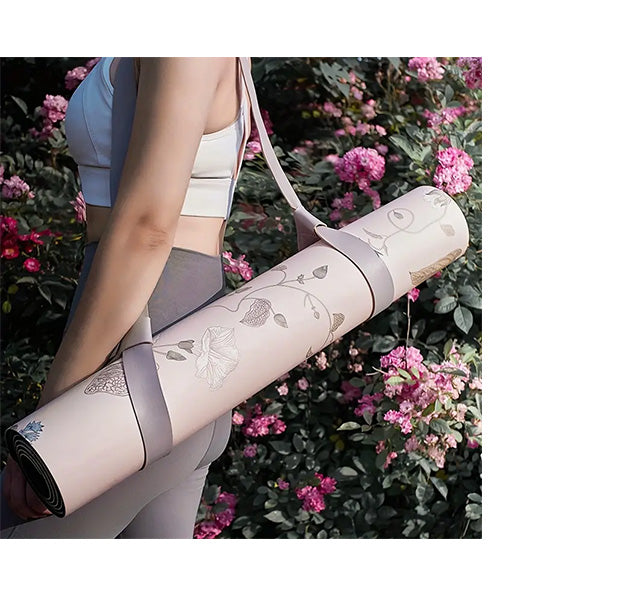
This seemingly simple circular device actually embodies sophisticated sports science design. As morning sunlight filters through curtains, you only need to unroll your yoga mat and retrieve this palm-sized "magic circle" to embark on a muscle fiber-precise sculpting journey. From awakening deep stabilizing muscles to integrating whole-body movement chains, the Pilates Ring is scientifically proving that true fitness revolutions often begin with redefining our tools.