


Yoga is more than just physical exercise — it’s a lifestyle that connects your body, mind, and the natural world around you. As the seasons change, so do temperature, humidity, and environmental conditions. Choosing the right yoga gear for each season can significantly improve your comfort, safety, and overall practice experience.

In this guide, we’ll walk you through how to select the best yoga equipment for spring, summer, autumn, and winter — so you can stay comfortable and focused all year long.
Spring: Lightness and Flexibility
Spring symbolizes renewal and growth. As temperatures gradually rise and nature comes alive, your yoga practice may naturally become more dynamic and energizing. This is the perfect time for flow sequences, Sun Salutations, and outdoor sessions.
Recommended Gear:
1. Lightweight Yoga Mat
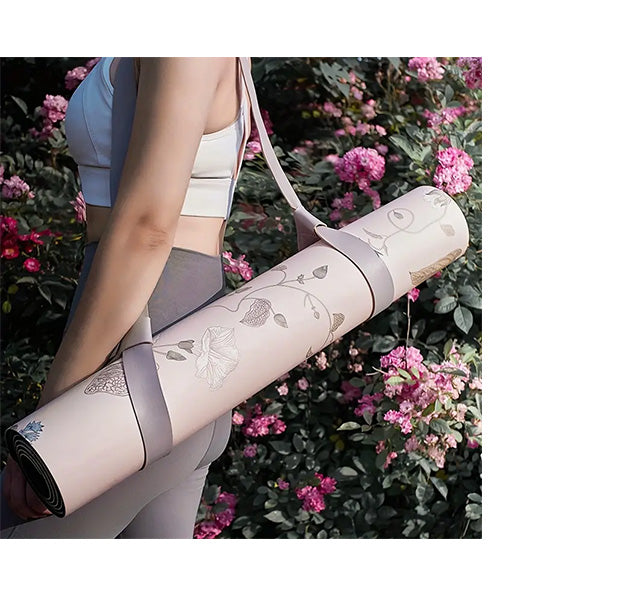
In spring, opt for a lightweight mat with excellent grip and moderate cushioning. TPE (Thermoplastic Elastomer) mats are a great choice — they are eco-friendly, soft, and provide reliable traction without being too heavy.

2. Breathable Yoga Clothing
Choose light, breathable fabrics such as cotton blends or bamboo fiber. These materials wick moisture gently while keeping you comfortable during transitional weather. Tank tops, short-sleeve tees, and flexible leggings are ideal.

3. Yoga Accessories
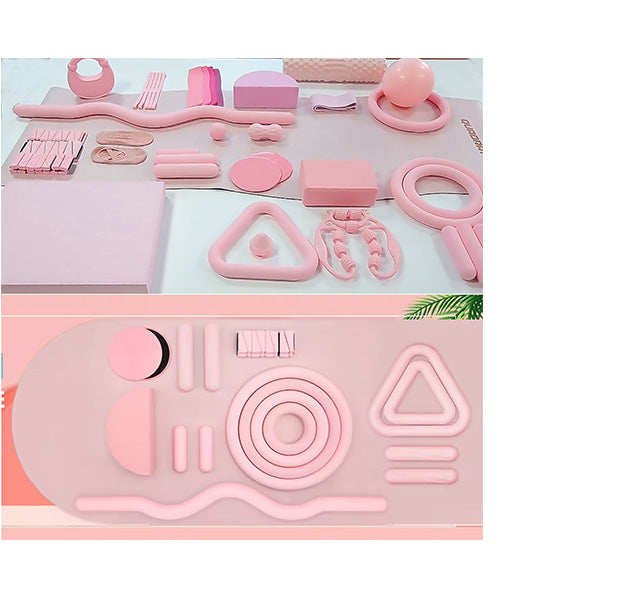
Spring is perfect for improving flexibility. Yoga blocks and straps can help deepen stretches safely and improve alignment in poses like Downward Dog or Warrior variations.
4. Light Outer Layer
Spring mornings and evenings can still be chilly. A lightweight yoga jacket or wrap is perfect for warming up before practice and staying comfortable during cooldown.
Summer: Coolness and Sweat Management
Summer heat brings increased perspiration, which can affect grip and stability. The key during this season is moisture control, breathability, and cooling comfort.
Recommended Gear:
1. Non-Slip Yoga Mat
Look for mats with superior grip performance, especially in humid conditions. Natural rubber or high-quality PVC mats offer strong traction even when wet. Some mats are specifically designed with sweat-absorbing surfaces for hot yoga.
2. Moisture-Wicking Apparel
Choose performance fabrics such as polyester, nylon, or spandex blends that dry quickly and wick sweat away from the skin. Sleeveless tops, sports bras, biker shorts, or cropped leggings are excellent options for airflow.
3. Yoga Towel
A microfiber yoga towel placed over your mat helps absorb sweat and prevents slipping. It’s especially helpful during hot yoga sessions or intense summer flows.
4. Insulated Water Bottle
Hydration is essential in warm weather. Keep a reusable insulated bottle nearby to maintain optimal hydration throughout your practice.

Summer Tip:
Warm temperatures naturally loosen muscles, but dehydration increases injury risk. Stay hydrated and avoid overexertion in extreme heat.
Autumn: Comfort and Temperature Balance
Autumn brings cooler air and noticeable temperature differences between morning and evening. Your yoga gear should provide warmth without sacrificing mobility.
This season is ideal for grounding practices, slower flows, restorative yoga, and meditation.
Recommended Gear:
1. Medium-to-Thick Yoga Mat
A 6mm mat provides extra cushioning and insulation from cooler floors. Natural rubber mats are especially comfortable and durable during this season.
2. Long-Sleeve Yoga Tops and Full-Length Leggings
Opt for soft, breathable fabrics that retain warmth while remaining flexible. Bamboo blends and brushed performance fabrics offer both comfort and style.
3. Lightweight Yoga Jacket
A breathable outer layer helps regulate body temperature before and after practice, particularly in studios or outdoor environments.
Autumn Tip:
Layering is key. Choose pieces you can easily remove once your body warms up.
Winter: Warmth and Protection
Winter’s cold temperatures can lead to stiff muscles and reduced flexibility. Proper insulation and layering are essential to protect your body and maintain comfort.
Recommended Gear:
1. Thick, Insulated Yoga Mat
Choose a mat 6mm or thicker to insulate against cold floors and provide additional joint support. A high-density mat also enhances stability during balance poses.
2. Thermal Yoga Apparel
Look for fleece-lined leggings, thermal long sleeves, or brushed interior fabrics that retain body heat without restricting movement. Layering is especially important in winter.
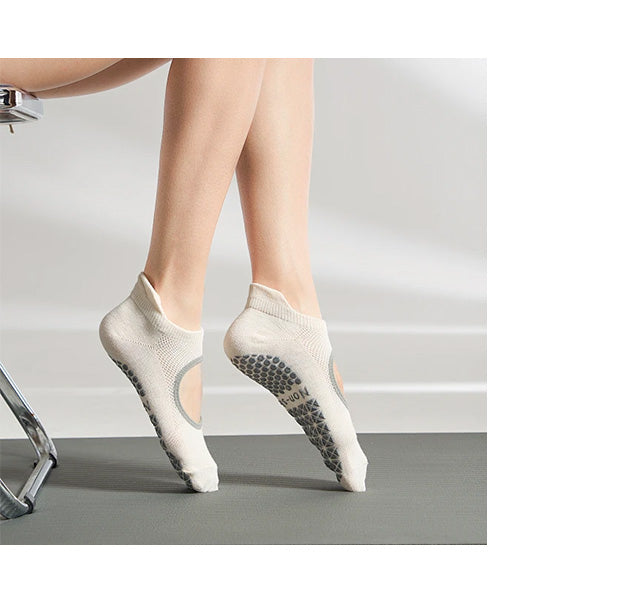
3. Yoga Socks and Gloves
For restorative sessions or meditation, non-slip yoga socks and lightweight gloves help keep extremities warm while maintaining grip.
4. Shawl or Wrap for Cooldown
During Savasana or meditation, your body temperature may drop. A soft wrap or blanket ensures you remain warm and relaxed.
Winter Tip:
Take extra time to warm up before deep stretches. Cold muscles are more prone to strain, so gradual movement is essential.
Adapting your yoga gear to the seasons allows you to practice more comfortably, safely, and efficiently throughout the year. The right mat thickness, fabric choices, and supportive accessories can significantly enhance your focus and overall performance.
When your equipment aligns with the changes of the seasons, your practice flows more naturally—grounded and stable in winter, cool and breathable in summer, flexible and expansive in spring, and balanced and centered in autumn.
No matter the season, the key is always comfort, functionality, and mindful selection.
If you’re looking for high-quality yoga gear that supports you through every season, welcome to Mowin. We thoughtfully design yoga mats and professional accessories tailored to different seasonal needs, ensuring every practice feels secure and focused.
Choose the gear that fits your journey. Start with Mowin—and let yoga become a lifestyle that flows with you all year round.
