


Choosing a yoga mat manufacturer is not simply about finding the lowest quotation.
For retailers, fitness brands, yoga studios, distributors, and online sellers, the right manufacturing partner can affect everything from product quality and customer reviews to delivery times and repeat orders.
A manufacturer may offer attractive prices, but that does not necessarily mean it is the right supplier for your business. Before placing a wholesale order, you need to understand how the factory handles materials, production, quality control, customization, packaging, and communication.
This guide explains the key factors B2B buyers should evaluate when choosing a yoga mat manufacturer, whether you need standard wholesale yoga mats or fully custom yoga mats for your brand.

1. Start With the Manufacturer's Real Factory Capabilities
The first question to ask is simple:
Can the supplier actually manufacture the products you need?
There is a difference between a trading company that sources yoga mats and a yoga mat factory that manages production directly.
A manufacturer with direct production experience should be able to explain:
-
What materials are available
-
Which yoga mat constructions they produce
-
Available sizes and thicknesses
-
Surface and bottom-layer options
-
Printing and logo techniques
-
Packaging options
-
MOQ requirements
-
Sample procedures
-
Production lead times
-
Quality inspection processes
You should also ask for recent factory photos, production-line videos, product samples, and detailed specifications.
These details give you a better picture of whether the supplier has the production experience required for your market.
What to Look for in a Yoga Mat Factory
A reliable factory should have a clear production process rather than simply presenting a product catalog.
For example, when developing a new yoga mat, the process may involve material selection, formulation or material preparation, cutting or forming, surface treatment, logo application, inspection, packaging, and final quality checking.
The more transparent the process is, the easier it is for a buyer to assess production consistency.
2. Check the Yoga Mat Materials Carefully
Material is one of the most important factors affecting a yoga mat's performance.
Different markets and customers may have very different expectations. A yoga studio may prioritize grip and durability, while a travel-focused brand may care more about weight and portability.
Common yoga mat materials include:
-
TPE
-
Natural rubber
-
PU + natural rubber
-
PVC
-
NBR
-
POE
-
Cork
-
Fabric or textile surface materials
Don't choose a manufacturer simply because it offers many materials.
Instead, ask the manufacturer to explain why a particular material is suitable for your product positioning.
For example, if you are developing a premium yoga mat, you may need to evaluate surface grip, sweat absorption, cushioning, odor, durability, and overall tactile feel.
For travel products, weight, folding design, and portability may be more important.
A good manufacturer should help you match the material with the intended application rather than simply recommend the cheapest option.
3. Evaluate Grip, Cushioning and Durability
Material specifications alone do not tell the whole story.
A buyer should evaluate the finished mat.
Grip
Grip is particularly important for yoga users because slipping during practice can affect both comfort and confidence.
Ask whether the manufacturer can provide samples so you can test the surface under dry and sweaty conditions.
Cushioning
Thickness affects cushioning, but thicker does not always mean better.
A 3 mm travel mat and a 6 mm studio mat may serve completely different purposes.
The manufacturer should be able to recommend suitable thicknesses based on your target market and usage scenario.
Durability
For wholesale buyers, durability matters because product returns and negative reviews can quickly reduce margins.
Check whether the mat maintains its shape, surface texture, color, and edge integrity after repeated use.
This is especially important when you plan to build a long-term product line rather than make a one-time purchase.
4. Ask About Custom Yoga Mat Capabilities
If you are building your own yoga or fitness brand, customization can be just as important as the base product.
A professional yoga mat manufacturer should be able to discuss different levels of customization.
Depending on the product, this may include:
-
Custom colors
-
Brand logo
-
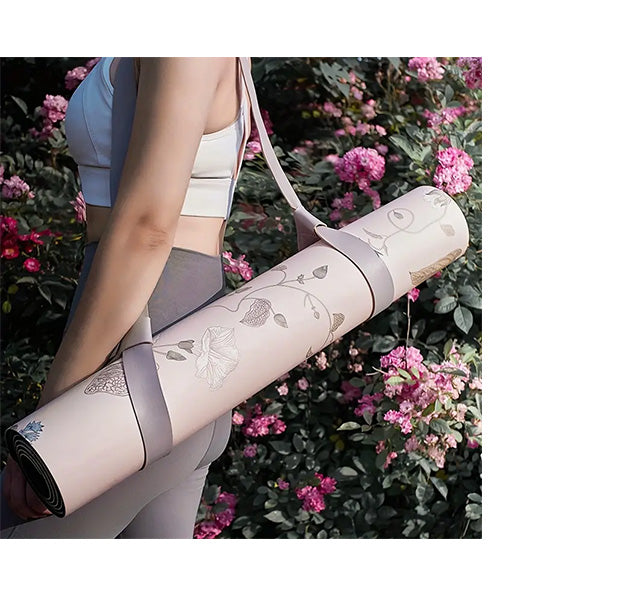
Surface patterns
-
Printed designs
-
Embossed logos
-
Laser logo
-
Custom packaging
-
Hang tags
-
Product labels
-
Carton markings
However, customization should not be limited to putting a logo on an existing product.
For established brands, you may want to customize dimensions, thickness, materials, surface textures, colors, packaging, and other product details.
Before starting production, ask the manufacturer for a clear confirmation of the final specifications.
This helps avoid differences between the approved sample and mass production.
5. Understand MOQ Before Requesting a Quotation
MOQ, or minimum order quantity, is an important consideration for B2B buyers.
Different manufacturers may have different MOQs depending on:
-
Material
-
Product size
-
Color
-
Logo method
-
Packaging
-
Custom tooling
-
Production requirements
A supplier offering a low MOQ may be attractive to a new brand, but the unit price may be higher.
On the other hand, larger orders may provide better pricing but require more inventory investment.
The right MOQ depends on your business model.
For example:
New brand:
Smaller quantities can reduce inventory risk.
Established distributor:
Larger wholesale orders may offer better cost efficiency.
Custom product:
MOQ may be higher because of custom materials, colors, packaging, or production setup.
Don't compare suppliers based only on unit price. Compare the total cost of ownership, including packaging, customization, shipping, sampling, and potential quality issues.
6. Request Samples Before Placing a Bulk Order
Never rely only on product photos when choosing a yoga mat supplier.
A sample allows you to evaluate the actual product.
When testing a sample, check:
-
Surface grip
-
Material feel
-
Thickness
-
Dimensions
-
Weight
-
Flexibility
-
Rebound
-
Odor
-
Edge finishing
-
Logo quality
-
Color consistency
-
Packaging
If you are developing custom yoga mats, the sample stage becomes even more important.
The final production specifications should be confirmed based on an approved sample or clearly documented product specification.
For repeat orders, keeping a reference sample can also help both sides maintain consistency.
7. Review Quality Control Procedures
Quality control should be part of the manufacturing process, not something that happens only when a problem occurs.
Ask the supplier how they inspect products during production and before shipment.
Depending on the product, quality checks may include:
Incoming Material Inspection
The factory checks whether incoming materials meet the required specifications.
Production Inspection
Production staff monitor dimensions, surface quality, color, printing, and other important details.
Final Inspection
Finished products are checked before packaging and shipment.
For B2B buyers, it is useful to agree on the key quality requirements before production begins.
For example, you can specify acceptable dimensions, color standards, logo placement, packaging requirements, and other critical specifications.
Clear standards reduce misunderstandings between buyer and manufacturer.
8. Check Certifications and Compliance Requirements
Your target market may have specific regulatory or product compliance requirements.
Before placing an order, tell the manufacturer where the products will be sold and ask which documents and testing reports are available for the specific product.
Depending on your market and product specifications, you may need to review:
-
Material safety documentation
-
Product testing reports
-
Chemical compliance
-
Packaging requirements
-
Labeling requirements
-
Other market-specific regulations
Do not assume that a certificate for one product automatically applies to every product from the same supplier.
The documentation should match the actual material, product, and destination market.
9. Compare Lead Times and Production Capacity
Price is important, but delivery reliability can be even more important for an established business.
A delayed shipment can lead to:
-
Stock shortages
-
Missed promotions
-
Delayed product launches
-
Higher logistics costs
-
Poor customer experience
Ask the manufacturer about:
-
Sample lead time
-
Production lead time
-
Peak-season capacity
-
Production scheduling
-
Packaging lead time
-
Shipping preparation
A professional supplier should provide a realistic production schedule rather than simply promise the fastest possible delivery.
10. Evaluate Communication and Product Development Support
Good communication is often overlooked during supplier selection.
However, B2B product development involves many details.
You may need to discuss:
-
Product specifications
-
Color matching
-
Material selection
-
Logo placement
-
Packaging
-
Samples
-
Production changes
-
Inspection
-
Shipping
A reliable manufacturer should communicate clearly and respond with specific information.
You should also pay attention to whether the supplier understands your product requirements.
If you say you want a premium yoga mat for hot yoga, for example, the supplier should ask about grip, sweat absorption, surface construction, thickness, and target price rather than simply send you a generic catalog.
That level of product understanding can make a significant difference during development.
11. Think Beyond the First Order
The best manufacturing relationship is not necessarily the supplier offering the lowest initial quotation.
Think about what happens after the first shipment.
Can the manufacturer maintain product consistency?
Can they reproduce the same color?
Can they support new sizes or materials?
Can they develop new products with you?
Can they scale production when your sales increase?
For a growing yoga brand, these questions matter.
A reliable yoga mat manufacturer should be capable of supporting your business as your product range develops.
12. A Simple Yoga Mat Manufacturer Checklist
Before choosing a supplier, compare manufacturers using the following criteria:
| Factor | What to Check |
|---|---|
| Factory capability | Direct production experience and equipment |
| Materials | TPE, rubber, PU, POE, PVC, NBR and other options |
| Product quality | Grip, cushioning, durability and finishing |
| Customization | Colors, logos, sizes, textures and packaging |
| MOQ | Minimum order requirements for standard and custom products |
| Samples | Sample availability and approval process |
| Quality control | Inspection procedures before shipment |
| Compliance | Relevant testing and documentation |
| Lead time | Sample and bulk production schedules |
| Communication | Response speed and technical support |
| Scalability | Ability to support increasing order volumes |
The lowest price should not automatically win.
The better supplier is the one that provides the right combination of quality, production capability, customization, communication, consistency, and commercial value.
Why Work With MOWIN?
At MOWIN, we understand that B2B buyers are not simply looking for a yoga mat.
They are looking for a product that can represent their brand and perform consistently in the market.
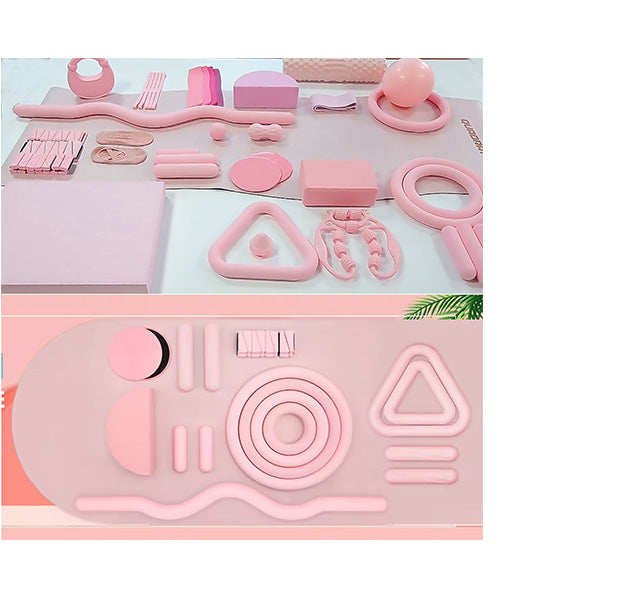
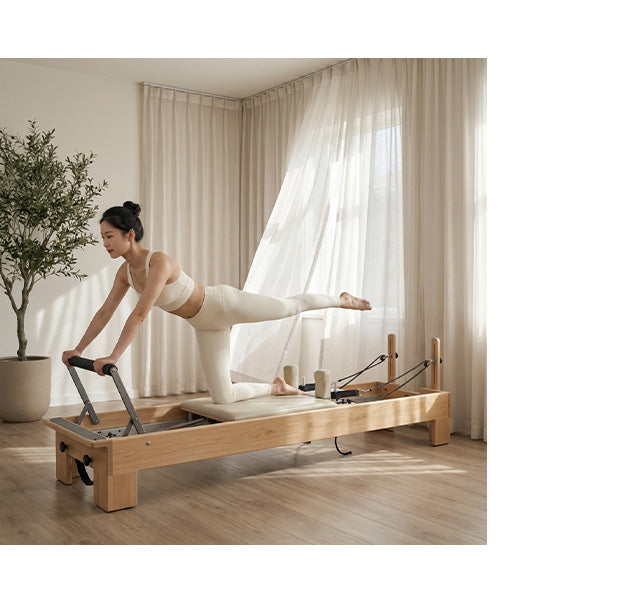
As a yoga and Pilates product manufacturer, MOWIN supports buyers looking for wholesale yoga mats and customized products for different business needs.
Our product development approach focuses on practical details such as material selection, product construction, surface performance, thickness, colors, logo customization, packaging, and application scenarios.
Our yoga mat range includes different materials and constructions designed for applications such as yoga, Pilates, meditation, home workouts, travel, and studio use.
For buyers developing their own product line, we can also discuss customization requirements based on the target market and product positioning.
Most importantly, our yoga mats have passed REACH, CA65, and RoHS tests, guaranteeing their quality.
From Sample to Bulk Production
A typical B2B development process can include:
Requirement → Product Selection → Sample → Specification Confirmation → Production → Quality Inspection → Packaging → Shipment
This process gives both the buyer and manufacturer a clear reference before mass production.
For MOWIN, the goal is not simply to complete one order. It is to build products that can support long-term brand development.
Final Thoughts: Choosing the Right Yoga Mat Manufacturer
Choosing a yoga mat manufacturer should be treated as a supplier evaluation process rather than a simple price comparison.
Start with the factory's actual manufacturing capabilities. Then evaluate materials, product performance, customization, MOQ, samples, quality control, compliance, lead times, and communication.
Most importantly, choose a supplier that understands your business and can maintain consistent quality as your orders grow.
Whether you are launching a new yoga brand, expanding an existing product range, supplying studios, or sourcing wholesale yoga mats, the right manufacturing partner can make product development much easier.
If you are currently looking for a reliable manufacturing partner for custom yoga mats or wholesale yoga mats, MOWIN is ready to discuss your requirements.
Talk to MOWIN about your next yoga mat project.
