



In the fast - paced modern life, we often find ourselves physically and mentally exhausted, tightly wrapped in stress and anxiety. We are busy with work, family, and various social activities, rarely having time to pause, listen to our inner voices, and pay attention to the real needs of our bodies. Yoga, this ancient and wise art of physical and mental cultivation, is like a beacon, illuminating the path back to inner peace and physical harmony for us.
The Origin and History of Yoga
Yoga originated in ancient India and has a history spanning thousands of years. It was initially a set of spiritual cultivation systems developed by Indian sages to pursue spiritual liberation and self - awareness. The word "yoga" comes from the Sanskrit word "Yuj," which means "to combine" or "to connect," symbolizing the harmonious unity of the body, mind, and spirit. Over the long course of history, yoga has gone through multiple development stages. From simple postural practices at the beginning, it gradually incorporated elements such as breath control, meditation, and moral principles, forming a complete and profound cultivation system.
The ancient Indian yoga practitioners lived deep in the mountains and forests. Through long - term practice and exploration, they summarized a series of effective cultivation methods. They discovered that specific postures could dredge the meridians, enhance the body's flexibility and strength; breath control could regulate the body's energy flow and calm the fluctuations of the mind; and meditation could help people delve into their inner selves, gain insight into the essence of life, and achieve spiritual sublimation. As time went by, yoga gradually spread from India to all over the world and became a global healthy lifestyle.

The Diverse Benefits of Yoga
Physical Aspect
- Enhanced Flexibility and Strength: Yoga postures cover a variety of stretching, twisting, and balancing movements that comprehensively exercise all parts of the body. Long - term regular yoga practice can significantly increase the range of motion of joints, improve muscle elasticity and strength, and make the body more flexible. For example, the Downward - Facing Dog pose can stretch the muscles and ligaments on the back of the legs and strengthen the muscles of the arms and shoulders; the Tree pose helps improve body balance and strengthen leg muscles.
- Improved Posture and Alignment: In modern society, due to long hours of sitting in front of computers or using mobile phones, many people suffer from poor posture problems, such as rounded shoulders and a hunched back. Yoga practice can help us correct these bad postures, strengthen the muscles of the back, and keep the spine in its normal physiological curvature, thus improving overall posture. By regularly practicing postures like the Mountain pose and the Warrior poses, we can learn the correct standing and walking postures and display a more confident and elegant demeanor.
- Promoted Blood Circulation and Metabolism: The various postures and breath practices in yoga can stimulate the body's blood circulation, accelerate metabolism, and help the body eliminate toxins and waste. For instance, twisting postures can massage the abdominal organs, promoting digestion and absorption; inverted postures can increase blood supply to the head, improve facial complexion, and delay aging.
- Alleviated Physical Pain: Yoga also has a good effect on relieving some common physical pains, such as neck pain and lower back pain. Through targeted postural practices, it can relax tense muscles, reduce joint pressure, and improve pain symptoms. For example, the Cat - Cow pose can relieve stiffness in the neck and back, and the Bridge pose helps reduce lower back pain.
Psychological Aspect
- Reduced Stress and Anxiety: Breath control is a crucial part of yoga practice. Through deep and rhythmic breath practices, we can regulate the body's autonomic nervous system, reduce the secretion of stress hormones, and thus relieve stress and anxiety. When we focus on our breath and postures, the brain enters a relaxed state, temporarily forgetting the troubles and distractions of the outside world and allowing the inner self to find a moment of tranquility.
- Improved Concentration and Focus: Yoga emphasizes the unity of the body and mind, requiring us to maintain a high level of concentration during practice. We need to carefully experience and grasp every postural movement, the rhythm of breath, and the sensations in the body. Through long - term practice, our concentration and focus will be significantly improved, enabling us to complete work and study tasks more efficiently.
- Enhanced Self - Awareness and Emotional Management: Yoga is not just a form of physical exercise but also a process of self - exploration and growth. During meditation and deep relaxation practices, we have the opportunity to delve into our inner selves, observe our thought and emotional patterns, and understand our true needs and desires. Through this process, we can better manage our emotions, avoid being dominated by negative emotions, and cultivate a positive and optimistic mindset.
- Improved Sleep Quality: Many people suffer from insomnia or poor sleep quality at night, often due to stress, anxiety, and physical tension. Yoga practice can help us relax our bodies and minds, relieve tension, and put the body and brain into a calm state, making it easier to fall asleep and improving sleep quality. Some simple bedtime yoga postures, such as the Corpse pose and the Hero pose, are very suitable for practicing at night.
Different Types of Yoga
Hatha Yoga
Hatha Yoga is one of the most common types of yoga. It focuses on the balance and harmony of the body and mind. The practice of Hatha Yoga mainly includes three parts: postures, breath control, and meditation. Through a series of slow and gentle postural practices, it helps us enhance the body's flexibility and strength while combining deep breaths to calm the fluctuations of the mind. Hatha Yoga is suitable for beginners and people of all ages and is an ideal entry - point into the world of yoga.

Ashtanga Yoga
Ashtanga Yoga is a challenging and dynamic yoga practice. It has a fixed sequence of postures that need to be practiced in a specific order. Ashtanga Yoga emphasizes the comprehensive training of the body's strength, flexibility, and endurance, while also paying attention to the synchronization of breath and movement. This type of yoga practice has a relatively high intensity and requires practitioners to have a certain physical foundation and perseverance. However, consistent practice can bring significant physical changes and spiritual improvements.
Yin Yoga
Yin Yoga is a relatively static yoga practice. Its postures are usually held for a relatively long time (generally 3 - 5 minutes), mainly targeting the deep connective tissues of the body, such as ligaments and fascia, for stretching and relaxation. Yin Yoga practice can help us open the body's joints, increase body flexibility, promote the body's energy flow, and relieve physical tension and fatigue. Yin Yoga is suitable for practicing when the body is tired or under high stress, as it can quickly restore physical strength and relax the body and mind.
Bikram Yoga
Bikram Yoga is a type of yoga practiced in a high - temperature environment (usually with a temperature between 38 - 42 degrees Celsius). In a high - temperature environment, the body's blood circulation speeds up, and metabolism is enhanced, which helps the body better eliminate toxins and waste. The sequence of Bikram Yoga consists of 26 fixed postures. Practicing in a high - temperature environment can increase the body's flexibility and strength while improving the body's heat tolerance. However, due to the special practice environment of Bikram Yoga, practitioners need to make full preparations before practice, pay attention to replenishing water, and avoid heatstroke.
How to Start Yoga Practice
Choose the Right Yoga Class and Instructor
If you are a yoga beginner, it is advisable to choose a professional yoga studio or participate in online yoga courses. When selecting a course, you can choose a suitable yoga type and course difficulty level based on your physical condition, interests, and time schedule. At the same time, choosing an experienced, patient, and meticulous yoga instructor is also very important. They can provide you with correct guidance and corrections during practice, help you avoid injuries, and better master the skills and methods of yoga.
Prepare Appropriate Yoga Equipment
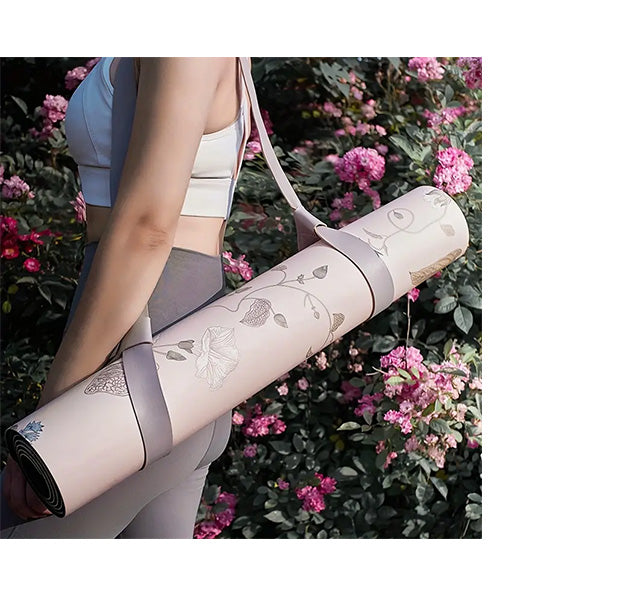
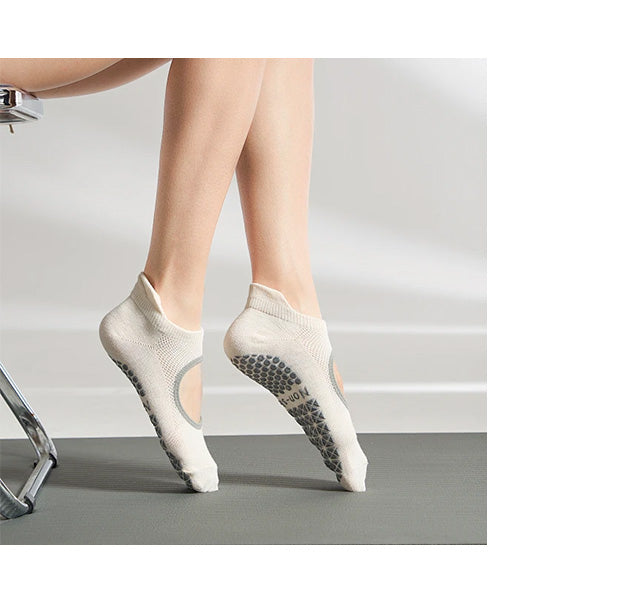
When practicing yoga, you need to prepare some basic equipment, such as comfortable yoga clothes, a non - slip yoga mat, yoga blocks, and stretching straps. Yoga clothes should be made of breathable, sweat - absorbing, and elastic materials to allow for free movement during practice. The yoga mat provides good support and anti - slip effects, protecting your body from injury. Yoga blocks and stretching straps can help you provide assistance when completing some more difficult postures, reducing the difficulty of practice.

Maintain a Regular Practice Routine
Yoga is a practice that requires long - term persistence. Only by maintaining a regular practice routine can you reap the various benefits that yoga brings. It is recommended that beginners practice at least 2 - 3 times a week, with each practice session lasting 30 - 60 minutes. As your practice deepens and your body's adaptability improves, you can gradually increase the frequency and duration of practice. At the same time, pay attention to the intensity and difficulty of practice to avoid over - practice and injury.
Listen to Your Body's Signals
During yoga practice, always listen to your body's signals and respect your body's feelings. If a certain posture causes you pain or discomfort, do not force yourself to persist. You can appropriately adjust the amplitude of the posture or stop practicing. Everyone's physical condition and flexibility are different. Do not compare yourself with others. Practice at your own pace and ability, and gradually make progress and improve.
Conclusion
Yoga is a charming and wise art of physical and mental cultivation, offering us a lifestyle to return to nature and our inner selves. Through yoga practice, we can improve our physical condition, enhance our mental health, and achieve harmony and unity of the body and mind. Whether you are a beginner or an experienced yoga enthusiast, you can find your own joy and gains in the world of yoga. Let's embark on this artistic journey of physical and mental harmony together and use yoga to open the door to a healthy and beautiful life!
I hope this blog post can help you better understand yoga and stimulate your interest and enthusiasm for yoga. Let's grow and progress together on the path of yoga!