


Wrist weights, those compact, strap-on devices filled with sand or metal pellets, have long sparked curiosity among fitness enthusiasts aiming to sculpt their arms. The question lingers: Can these small accessories truly tone arm muscles, or are they just another trendy gadget with limited results? To answer this, we must delve into how muscles respond to resistance, the mechanics of wrist weight training, and the realities of arm toning.

The Rising Popularity of Wrist Weights
In recent years, wrist weights have gained renewed popularity thanks to their portability and versatility, making them especially appealing for busy individuals who want to stay active without committing to long gym sessions. Unlike bulky gym equipment, wrist weights are lightweight, easy to carry, and can be used virtually anywhere—from home workouts to outdoor walks.
Beyond convenience, many users are turning to wrist weights as a form of "micro-loading" in their daily lives. By adding a constant, manageable resistance, they allow for a higher volume of low-intensity training, which is ideal for improving muscular endurance and burning extra calories during mundane tasks.This convenience allows users to stay consistent, which is one of the most important factors in achieving visible fitness results. Additionally, they appeal to a wide range of users, from beginners seeking low-impact resistance to experienced fitness enthusiasts looking to intensify bodyweight exercises.
What Does “Toning” Really Mean?
First, it’s essential to understand what “toning” really means. In fitness terms, toning refers to two key processes: reducing body fat to make muscles more visible and increasing muscle definition through targeted resistance. For arms, this involves engaging the biceps, triceps, shoulders, and forearm muscles.
It is a common misconception that you can "spot-reduce" fat from your arms specifically. However, using wrist weights helps increase your overall metabolic rate. By building lean muscle mass, your body burns more calories even at rest, which eventually leads to the leaner, more defined appearance people call "toned."Wrist weights add extra load to movements, creating resistance that can stimulate these muscles— but their effectiveness depends on how they’re used.
Additionally, toning is not an overnight transformation but a gradual process that requires consistency, proper nutrition, and adequate recovery. A balanced diet rich in lean protein, healthy fats, and complex carbohydrates supports muscle repair and energy levels. Hydration also plays a key role in muscle performance and recovery. Without these supporting factors, even the most well-designed wrist weight routine may deliver limited results.
How Wrist Weights Engage Arm Muscles
Wrist weights work best during dynamic, full-range movements. Activities like arm circles, lateral raises, or modified push-ups with wrist weights force the arm muscles to work harder against gravity. For example, when performing a tricep dip while wearing 1-2 pound wrist weights, the triceps must generate more force to lower and raise the body, leading to micro-tears in muscle fibers. As these fibers repair, they grow slightly thicker, enhancing definition over time. Similarly, bicep curls with wrist weights (instead of dumbbells) increase the resistance throughout the movement, challenging the muscles in a unique way.
They also increase time under tension—a key factor in muscle development. Because wrist weights remain attached throughout the movement, muscles stay engaged even during transitions between exercises. This continuous resistance can enhance endurance and improve muscle control, especially in slower, more controlled routines.
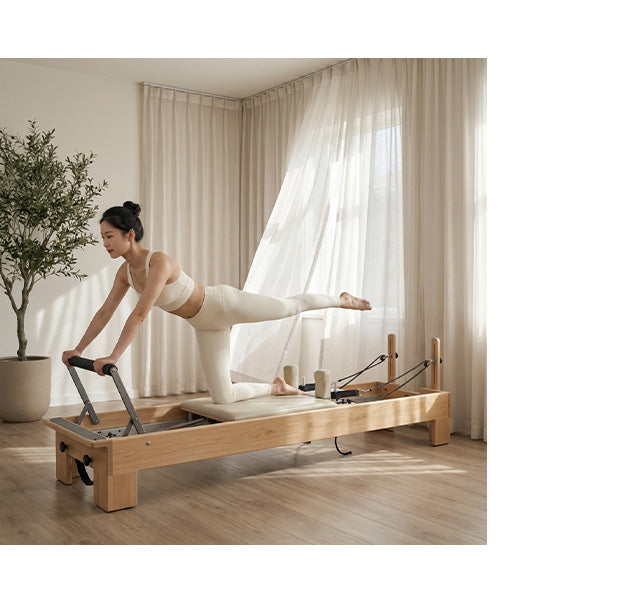
They can also be incorporated into low-impact workouts such as Pilates, barre, or even yoga flows, where small, controlled movements are emphasized. In these settings, wrist weights intensify muscle engagement without compromising joint safety, making them suitable for beginners and rehabilitation-focused training. Over time, this can improve not only strength but also posture and joint stability.
Limitations You Should Know
However, their limitations are notable. Wrist weights typically range from 0.5 to 5 pounds, which is significantly lighter than standard dumbbells or resistance bands. This means they’re unlikely to build large amounts of muscle mass—a process requiring heavier loads. Instead, they excel at improving muscular endurance and creating subtle definition, especially for those who already have a low body fat percentage. For individuals with more fat to lose, wrist weights alone won’t reveal toned arms; they must be paired with cardio and a calorie-controlled diet to reduce fat covering the muscles.
Another limitation is the fixed positioning of the weight. Since the resistance is attached to the wrist rather than held in the hand, it changes the leverage and may place additional stress on joints if not used properly. This makes proper form even more critical compared to traditional strength training tools.
Another limitation to consider is that constant use during non-exercise activities (like walking for long periods) may alter natural movement patterns if the weight is too heavy. This can lead to unnecessary joint stress, highlighting the importance of mindful usage rather than continuous wear. Short, intentional sessions are generally more effective than prolonged, passive use.
How to Use Wrist Weights Effectively
The key to maximizing wrist weights lies in proper technique and consistency. Wearing them during daily activities like walking or jogging can engage arm muscles passively, but intentional, focused exercises yield better results. Try incorporating wrist weights into a 15-20 minute routine 3-4 times a week: perform 12-15 reps of shoulder presses, bicep curls, tricep extensions, and lateral raises. Over time, this consistent resistance can enhance muscle tone.
For better progression, you can gradually increase either the weight or the duration of your workouts. Another effective strategy is to slow down each repetition, focusing on control and muscle engagement rather than speed. This increases intensity without needing significantly heavier weights.
To further boost results, consider combining wrist weight exercises with compound movements such as lunges with arm raises, squats with overhead presses, or plank shoulder taps. These movements engage multiple muscle groups at once, improving overall strength, coordination, and calorie burn. This approach is particularly beneficial for those looking to maximize efficiency in shorter workout sessions.
You can also structure your routine into circuits—for example, performing 4–5 exercises back-to-back with minimal rest. This not only improves muscular endurance but also elevates heart rate, contributing to fat loss and better cardiovascular health.
Safety Tips and Best Practices
It’s also crucial to avoid overuse. Excessive weight or improper form can strain the wrists, elbows, and shoulders. Start with 1-2 pound weights, focus on controlled movements, and gradually increase weight as your muscles adapt. If you experience pain, pause and adjust your routine.
Proper warm-up is essential before using wrist weights. Simple movements like arm swings, shoulder rolls, and light stretching can prepare your joints and reduce the risk of injury. After your workout, gentle stretching helps improve flexibility and supports recovery.
Listening to your body is essential—mild muscle fatigue is normal, but sharp or persistent pain is a signal to stop and reassess your technique or load. Consulting a fitness professional can also help ensure you’re using wrist weights safely and effectively, especially if you have pre-existing joint issues.
Final Thoughts: Are Wrist Weights Worth It?
In conclusion, wrist weights can contribute to arm toning when used strategically. They won’t replace heavier resistance training for building muscle mass, but they offer a convenient way to add extra challenge to workouts, improve endurance, and enhance definition—especially when combined with a balanced fitness regimen and healthy diet. With the right approach, these small tools can be a valuable addition to your arm-toning journey.
Ultimately, wrist weights aren’t a magic solution—but when used consistently and correctly, they can effectively support your fitness routine and bring you closer to stronger, more defined arms. Their true value lies in their simplicity, accessibility, and ability to keep you moving anytime, anywhere.
Ready to upgrade your routine? Explore high-quality wrist weights at Mowin and make every movement count.