



In recent years, compression socks have transitioned from a niche medical accessory to a mainstream item favored by athletes, office workers, travelers, and anyone seeking relief from leg discomfort. What was once primarily recommended by doctors for patients with circulatory issues has now become a staple in many people’s wardrobes. But what exactly are compression socks, and why have they gained such widespread popularity? This article explores the science behind compression socks, their diverse benefits, and how to choose the right pair for your needs.

At their core, compression socks are specialized hosiery designed to apply graduated pressure to the legs. Unlike regular socks, which offer no targeted pressure, compression socks are tighter around the ankles and gradually loosen as they move up the calf. This graduated pressure is key to their effectiveness: it helps squeeze the leg muscles, acting like a “second heart” to promote blood flow back up to the heart. By improving venous return, compression socks reduce the pooling of blood in the lower legs, which is a common cause of swelling, fatigue, and discomfort. Additionally, the pressure can help reduce the risk of blood clots by keeping blood moving, making them particularly valuable for individuals who are immobile for long periods.
One of the most significant benefits of compression socks is their ability to alleviate leg fatigue and swelling. For people who spend long hours on their feet—such as nurses, teachers, retail workers, and construction workers—leg muscles are constantly working to support the body, leading to increased blood pooling and lactic acid buildup. Wearing compression socks can help reduce these effects, keeping legs feeling energized even after a full day of standing or walking. Similarly, office workers and frequent travelers who sit for extended periods can benefit from compression socks, as prolonged sitting slows down blood circulation and increases the risk of swelling and blood clots. Studies have shown that wearing compression socks during long flights or car rides can significantly reduce the likelihood of deep vein thrombosis (DVT), a serious condition where blood clots form in the deep veins of the legs.
Athletes have also embraced compression socks as a performance and recovery tool. During exercise, the increased blood flow promoted by compression socks can deliver more oxygen and nutrients to the working muscles, enhancing endurance and reducing fatigue. After a workout, compression socks help flush out metabolic waste products like lactic acid, speeding up muscle recovery and reducing soreness. Whether it’s runners training for a marathon, cyclists tackling long rides, or gym-goers engaging in high-intensity workouts, compression socks have become a go-to accessory for optimizing performance and minimizing post-exercise discomfort.
When choosing compression socks, it’s important to consider the level of compression, which is measured in millimeters of mercury (mmHg). The compression level ranges from mild (15-20 mmHg) to moderate (20-30 mmHg), firm (30-40 mmHg), and extra firm (40+ mmHg). Mild compression is ideal for everyday use, such as for office workers or travelers, to prevent mild swelling and fatigue. Moderate compression is suitable for individuals with more significant swelling, athletes, and those who spend long hours on their feet. Firm and extra firm compression are typically recommended for patients with medical conditions like varicose veins, edema, or a history of blood clots, and should be used under the guidance of a healthcare provider.
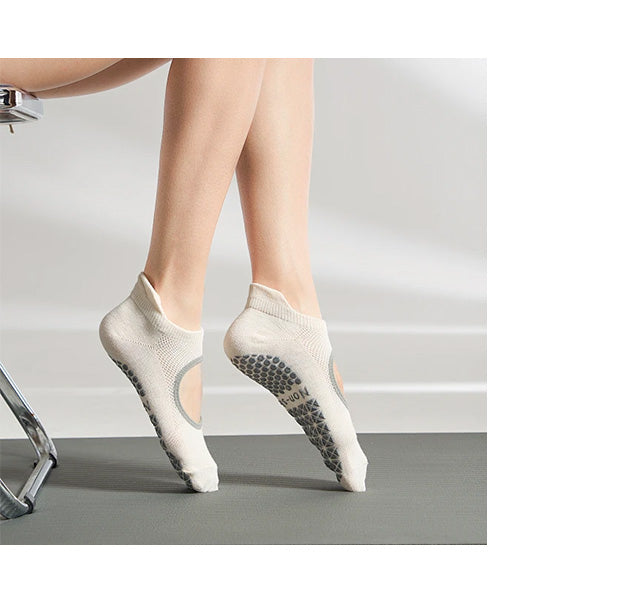
In addition to compression level, factors like material, fit, and style should also be considered. Compression socks are available in a variety of materials, including nylon, spandex, and cotton blends. Breathable, moisture-wicking materials are ideal for active individuals or those who wear them for long periods, as they help keep feet dry and comfortable. A proper fit is crucial—socks that are too tight can cause discomfort or restrict blood flow, while socks that are too loose will not provide the intended compression. It’s also important to choose a style that suits your needs, whether it’s ankle-length, calf-length, or thigh-high socks.
Despite their many benefits, compression socks are not for everyone. Individuals with certain medical conditions, such as peripheral arterial disease (PAD), should avoid wearing compression socks, as the pressure can further restrict blood flow to the legs. Pregnant women, people with diabetes, and those with skin conditions should consult a doctor before using compression socks to ensure they are safe and appropriate. It’s also important to note that compression socks are not a substitute for a healthy lifestyle—regular exercise, a balanced diet, and avoiding prolonged periods of sitting or standing are still essential for maintaining good circulatory health.
In conclusion, compression socks are far more than just a fashion trend—they are a practical, science-backed accessory that offers a wide range of benefits for circulatory health, comfort, and performance. From reducing leg fatigue and swelling to supporting athletic recovery and lowering the risk of blood clots, compression socks have something to offer for people from all walks of life. By understanding the science behind compression socks, choosing the right pair, and using them appropriately, you can unlock their full potential and enjoy healthier, more comfortable legs.