


In today’s fast-paced, always-connected world, anxiety has become a common part of daily life. Whether it’s work pressure, constant notifications, or lack of rest, our minds are often overwhelmed.
Have you ever experienced moments when your heart races, your breath becomes shallow, and your thoughts spiral out of control?
The good news is—you don’t need complicated tools or hours of practice to regain control. With just a few minutes, yoga breathing techniques (pranayama) can help you calm your mind and reset your body.

In this guide, we’ll explore three powerful and beginner-friendly breathing exercises for anxiety, helping you feel grounded anytime, anywhere.
Why Breathing Works for Anxiety Relief
Anxiety isn’t just mental—it’s deeply physical.
When you feel anxious, your body enters the “fight or flight” mode, triggered by the sympathetic nervous system. This causes:
-
Rapid, shallow breathing
-
Increased heart rate
-
Muscle tension
-
Racing thoughts
Yoga breathing (pranayama) works by reversing this process. Through slow, controlled breathing, you activate the parasympathetic nervous system—your body’s natural relaxation response.
Simply put:
Slow breathing = slower heart rate = calmer mind
Technique 1: Diaphragmatic Breathing (Belly Breathing)
This is the foundation of all breathing exercises and the best place to start for beginners.
Why It Works
Diaphragmatic breathing increases oxygen intake and stimulates the vagus nerve, helping reduce stress and anxiety naturally.
Step-by-Step Guide
-
Sit or lie down in a comfortable position
-
Place one hand on your chest, the other on your belly
-
Inhale slowly through your nose, letting your belly rise
-
Exhale gently, allowing your belly to fall
-
Continue for 3–5 minutes

Best For
-
Work stress
-
Emotional overwhelm
-
Quick calming during the day
Technique 2: 4-7-8 Breathing (Instant Calm Method)
Often called a “natural tranquilizer,” this method is especially effective for anxiety and sleep issues.
How It Works
By extending the exhale, this technique slows down the nervous system and promotes deep relaxation.
How to Practice
-
Inhale for 4 seconds
-
Hold your breath for 7 seconds
-
Exhale slowly for 8 seconds
-
Repeat for 4–6 cycles
Best For
-
Falling asleep faster
-
Reducing acute anxiety
-
Managing stress before important moments
Technique 3: Alternate Nostril Breathing (Balance & Focus)
A classic yoga breathing technique that helps balance the mind and improve concentration.
Why It’s Unique
This method balances the left and right hemispheres of the brain while calming the nervous system.
How to Practice
-
Use your right thumb to close your right nostril
-
Inhale through your left nostril
-
Close your left nostril with your ring finger, release the right nostril, and exhale
-
Inhale through the right nostril, then switch
-
Continue for 3–5 minutes

Best For
-
Mental clarity
-
Emotional imbalance
-
Pre-meditation practice
How to Build a Consistent Breathing Routine
While these techniques offer immediate relief, consistency is key for long-term benefits.
1. Practice Daily
Set aside 5–10 minutes each morning or before bed
2. Create a Calm Space
A dedicated environment helps your body relax faster
3. Combine with Movement
Light yoga or stretching enhances the effect
4. Use Supportive Tools
Comfort and stability improve focus and results
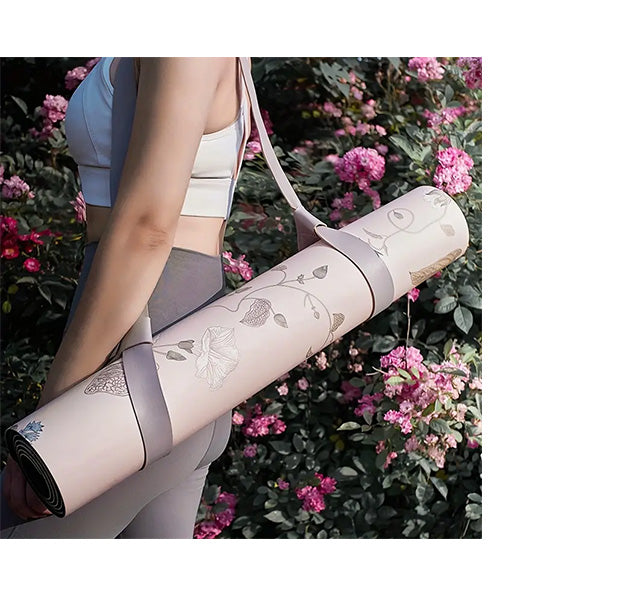
Why a Yoga Mat Enhances Your Practice
You might think breathing exercises require no equipment—but your environment matters more than you think.
A high-quality yoga mat can significantly improve your experience:
-
Provides stable support for seated or lying positions
-
Enhances comfort, allowing deeper breathing
-
Non-slip surface reduces distractions
-
Creates a dedicated relaxation space
Especially for lying-down breathing or meditation, physical comfort directly affects how deeply you can relax.
How to Choose the Right Yoga Mat for Relaxation
If your goal is stress relief and mindful breathing, look for:
Medium Thickness (6–8mm)
Balanced cushioning and support
Soft, Non-Slip Surface
Ensures stability and comfort
Eco-Friendly Materials
Better for deep breathing environments
Easy Maintenance
Ideal for daily use
MOWIN offer a wide range of high-quality yoga mats with custom sizes, colors, and private labeling options, perfect for yoga studios and wholesale business.
If you’re building a wellness brand, choosing a reliable supplier is key to long-term success.

FAQ
Q1: How long should I practice breathing exercises daily?
5–10 minutes is enough. Consistency matters more than duration.
Q2: Do breathing techniques really help with anxiety?
Yes. Scientific studies show that controlled breathing directly regulates the nervous system.
Q3: Can I practice these at work?
Absolutely. These techniques are simple, discreet, and require no equipment.
Final Thoughts: Calm Begins with Your Breath
When anxiety strikes, you don’t need to escape or fight it.
You just need to pause—and breathe.
These simple yet powerful yoga breathing techniques for anxiety can help you regain calm within minutes and build emotional resilience over time.
Start today.
Your peace is just one breath away.