



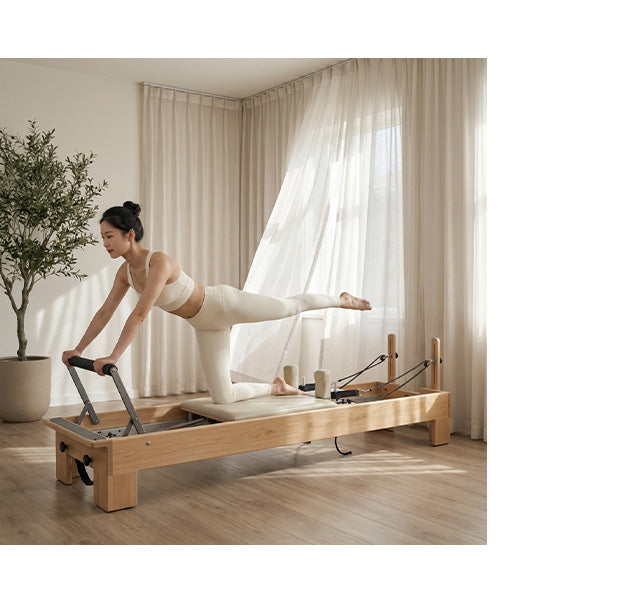

Starting your yoga journey can feel exciting, empowering—and sometimes confusing. With so many poses, styles, and expectations floating around online, it’s easy to fall into habits that do more harm than good.
One of the biggest misconceptions in yoga for beginners is believing that flexibility equals progress. In reality, pushing your body too far, too fast, often leads to discomfort—or worse, injury.

If you're new to yoga, understanding these common yoga mistakes can help you build a safe, sustainable, and enjoyable practice.
1. Chasing Flexibility Instead of Stability
Many beginners believe yoga is all about becoming more flexible. While flexibility is a benefit, it should never come at the cost of stability and control.
Overstretching muscles without proper strength can strain ligaments and joints. True progress in yoga comes from balancing flexibility with strength.
Beginner yoga tip:
Focus on controlled movements and proper alignment rather than how deep you can go into a pose.
2. Ignoring Proper Alignment
Incorrect posture is one of the most overlooked beginner yoga mistakes. Misalignment can place unnecessary stress on joints, especially in poses like Downward Dog or Warrior.
Even slight misplacements—like collapsing shoulders or locked knees—can lead to long-term issues.
Yoga safety tip:
Use mirrors, follow guided classes, or practice with props to maintain proper form.
3. Holding Your Breath
Breathing is the foundation of yoga, yet many beginners unconsciously hold their breath when a pose feels challenging.
This disrupts your flow, reduces oxygen supply, and increases tension in the body.
Beginner yoga tip:
Synchronize your breath with movement. If you can’t breathe steadily, you’ve likely pushed too far.
4. Comparing Yourself to Others
Scrolling through social media can create unrealistic expectations. Advanced poses often look effortless, but they require years of practice.
Comparison can push beginners to attempt poses they’re not ready for—leading to frustration or injury.
Yoga mindset tip:
Focus on your own journey. Progress in yoga is personal, not competitive.
5. Skipping Proper Equipment
Many beginners underestimate how much the right gear impacts their practice.
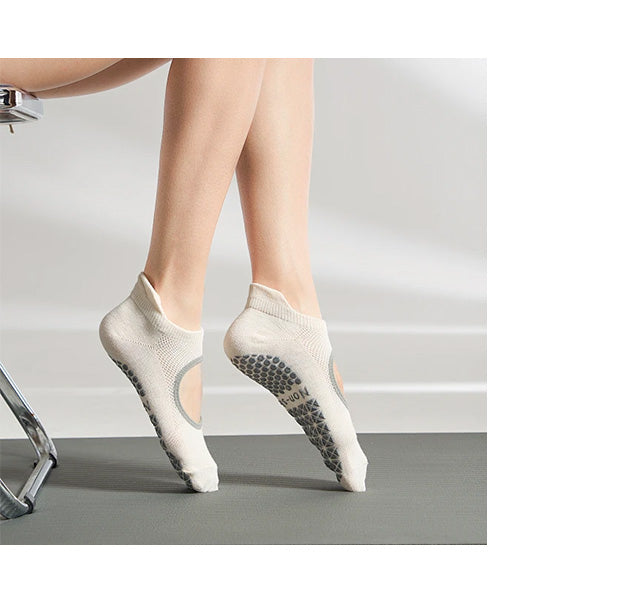
A slippery or thin mat can affect balance, alignment, and overall safety—especially when you're still learning the basics.
Beginner yoga tip:
Invest in a high-quality, non-slip yoga mat to support stability and confidence during practice.
Why “Flexibility” Is Not the Goal
Yoga is not about forcing your body into extreme shapes. It’s about building awareness, strength, balance, and connection between body and mind.
When beginners focus only on flexibility, they often ignore the most important aspects of yoga safety—control, breath, and alignment.
Remember:
✔ Safe progress is sustainable progress
✔ Strength supports flexibility
✔ Listening to your body prevents injuries
Build a Safe and Effective Yoga Practice
To truly benefit from yoga, beginners should prioritize:
-
Controlled movement over deep stretching
-
Proper alignment over aesthetic poses
-
Breath awareness over intensity
-
Consistency over perfection
With the right mindset and approach, yoga becomes not just a workout—but a lifelong practice.
Start Strong with the Right Foundation
Whether you're practicing at home or in a studio, having reliable equipment makes a difference.
A well-designed yoga mat provides:
✔ Better grip and stability
✔ Joint support for safer practice
✔ Confidence for beginners learning new poses
Explore our premium yoga mats designed for yoga beginners and daily practice

Final Thoughts
Avoiding these common yoga mistakes will help you build a safer, more enjoyable practice from day one.
Don’t rush the process. Flexibility will come naturally—with time, patience, and proper technique.
Yoga is not about how far you can stretch—it's about how well you can connect with your body.