

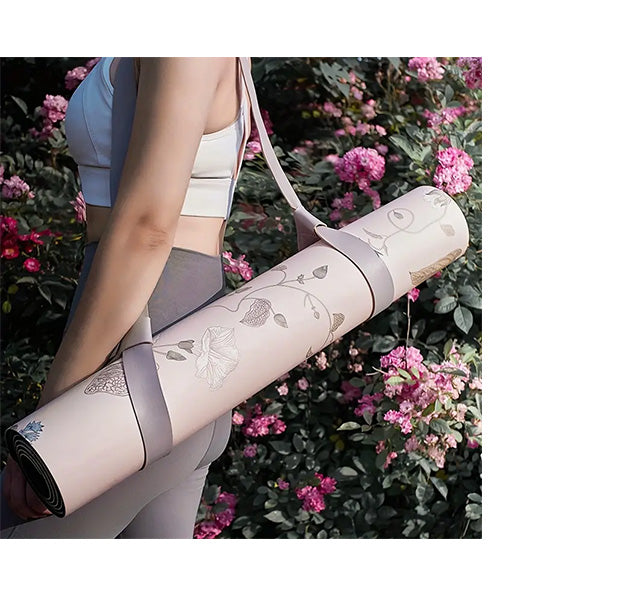
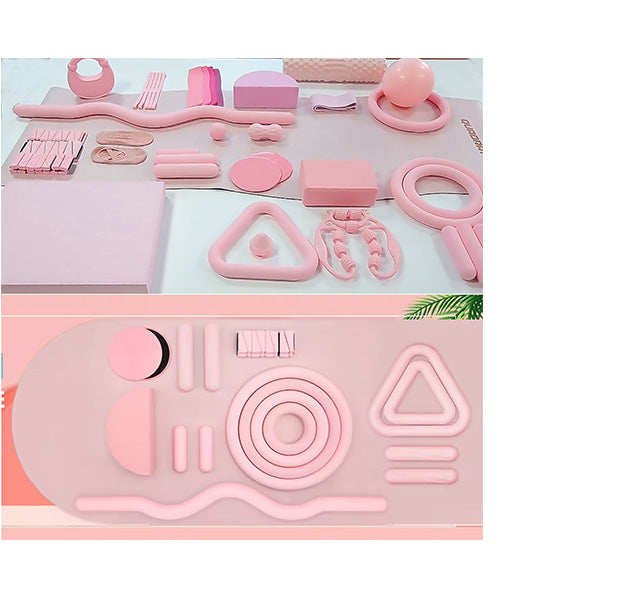
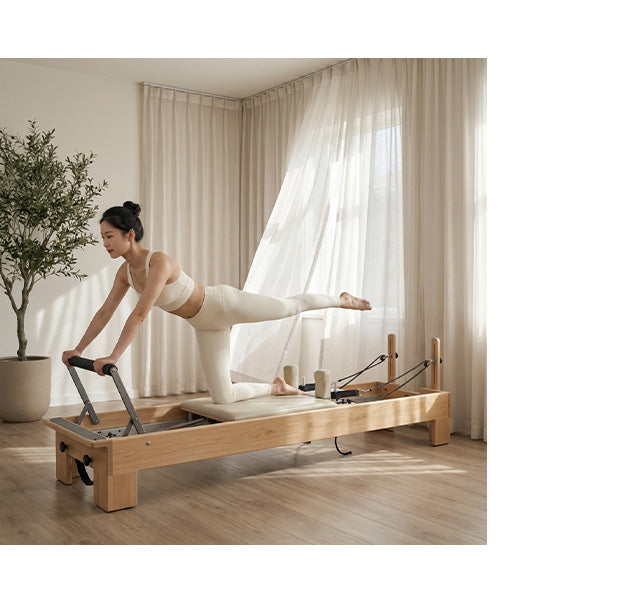
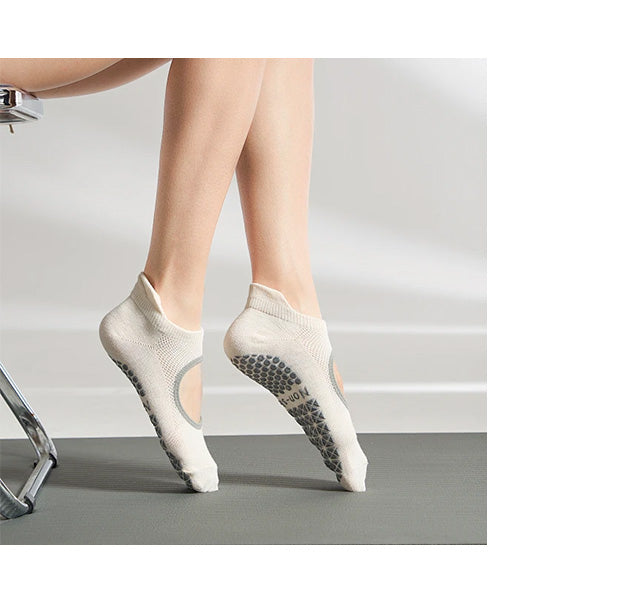

In the era when the wave of national fitness is sweeping across the globe, yoga has long transcended the single label of "static stretching" and evolved into a comprehensive exercise system that integrates strength, balance, and cardiovascular training. From the jumping sequences of Ashtanga yoga to the intense sweating challenges of hot yoga, and from the core activation of Pilates to the HIIT training in home fitness, the demands of modern yoga practitioners for equipment are undergoing a revolutionary upgrade. A truly "yoga-savvy" yoga mat must become an "all-rounder" that transcends scenarios and adapts to diverse needs.

I. Material Revolution: From Single Slip Resistance to Dynamic Response
Traditional yoga mats are mostly made of PVC or natural rubber. While they can meet basic slip-resistant requirements, they are hard to withstand the impact of high-intensity exercises. In 2026, new-generation materials represented by TPE (thermoplastic elastomer) and NBR (nitrile butadiene rubber) are redefining industry standards with their "dynamic response":
TPE Material
Through molecular structure optimization, TPE achieves "lightweight + high resilience." Its shock absorption performance is 40% better than that of traditional materials, making it particularly suitable for dynamic training such as Vinyasa yoga and power yoga. For example, Keep's 9mm thickened TPE yoga mat features tire-grade anti-slip textures. It can maintain grip even during high-intensity jumps and simultaneously disperse impact forces through a honeycomb structure, protecting the knees from injuries.

NBR Material
With its "ultra-quiet" characteristic, NBR has become the top choice for home fitness. Its closed-cell foaming technology not only effectively blocks the cold from the ground but also reduces exercise noise by 60%, preventing disturbances to neighbors. JD.com's 20mm ultra-thick NBR mat can even meet the needs of aerobic exercises such as burpees and squats, serving as a model of "one mat for multiple uses."
Natural Rubber + PU Coating
For hot yoga scenarios, the PU coating can enhance moisture absorption by 300%, keeping the mat dry to the touch even when sweating profusely. JD.com's odorless yoga mat adopts a 5mm natural rubber base paired with a skin-friendly PU surface, providing stable support even at 42°C and becoming a standard in professional yoga studios.

II. Thickness Science: From "The Thicker, the Better" to "Precise Adaptation"
In the past, consumers generally believed that "the thicker the yoga mat, the more comfortable it is." However, sports science research in 2026 shows that the thickness of the mat needs to be precisely matched with the type of practice and physical ability.
Beginners (5 - 7mm)
Thick mats can cushion joint pressure and help beginners master balance. For example, Keep's antibacterial yoga mat, with an 8mm thickness design, achieves "soft but not collapsible" through high-density foaming technology. Even during long-term kneeling exercises, the knees won't hurt.
Intermediate Practitioners (3 - 5mm)
Thin mats can enhance ground feedback and improve movement accuracy. Ashtanga practitioners prefer 3mm natural rubber mats, which allow them to clearly perceive the force points on the soles of their feet and help complete difficult poses such as "jumping through."
Special Needs (1.5 - 10mm)
- Travel Mats: With a 1.5mm ultra-thin design, they can be rolled up into a backpack and still remain flat when unfolded, suitable for outdoor yoga or business trips.
- Rehabilitation Training: A 10mm thickened mat reduces spinal pressure through a "floating sensation," making it an ideal choice for postpartum recovery and elderly fitness.
III. Functional Expansion: From Single Exercise to All-Scenario Coverage
Modern yoga mats have transcended their定位 (positioning, here it means the original role) as "exercise aids" and evolved into lifestyle companions that integrate health management and smart interaction:
Alignment Guidance System
JD.com's PU yoga mat features laser-engraved alignment lines that provide "visual assistance" to help practitioners correct movement deviations. For example, in the "Downward-Facing Dog" pose, the hands should be aligned with the width markers of the shoulders to avoid shoulder and neck compensation.
Antibacterial Technology
Keep's antibacterial yoga mat uses silver ion infiltration technology, achieving a 99.9% inhibition rate against Escherichia coli and Staphylococcus aureus. Even when shared by multiple people, it can ensure hygiene, becoming a "hygiene benchmark" in yoga studios and gyms.
Smart Connectivity
Some high-end mats are embedded with pressure sensors that can connect to apps to monitor movement accuracy, calories burned, and other data in real time. They can even provide personalized correction suggestions through AI coaches, enabling home practice to reach professional standards.
IV. Design Innovation: From Utilitarianism to Aesthetic Expression
Driven by the "appearance economy," the design of yoga mats is upgrading from functionality to emotionalization:
Customizable Patterns
Consumers can upload personal photos or designs through brand official websites to create their own unique yoga mats. For example, Keep's "Starry Sky Series" mats use 3D printing technology to present galaxy textures, making each practice a ritual of "dialoguing with the universe."
Modular Design
JD.com's extra-large double yoga mat can be freely combined into training areas, meditation areas, or parent-child interaction areas through magnetic splicing technology, meeting the diverse needs of families.
Environmental Protection Concept
Yoga mats made of recyclable materials and using plant dyeing processes are becoming the top choice for Gen Z consumers. For example, a brand's mats made from ocean plastics clean up 1 kilogram of ocean waste for every mat sold, perfectly integrating exercise and environmental protection.
From materials to thickness, from functions to design, the evolution of modern yoga mats is essentially humanity's continuous exploration of a "healthy lifestyle." It is no longer just a tool laid on the ground but a carrier that bears exercise passion, connects the body and mind, and conveys life attitudes. Whether you are a yoga enthusiast pursuing professional breakthroughs or an ordinary user focusing on family health, you can find your "perfect partner" in the 2026 yoga mat market. What will your next yoga mat look like? Perhaps it is waiting at MOWIN to be empowered to change your life.