

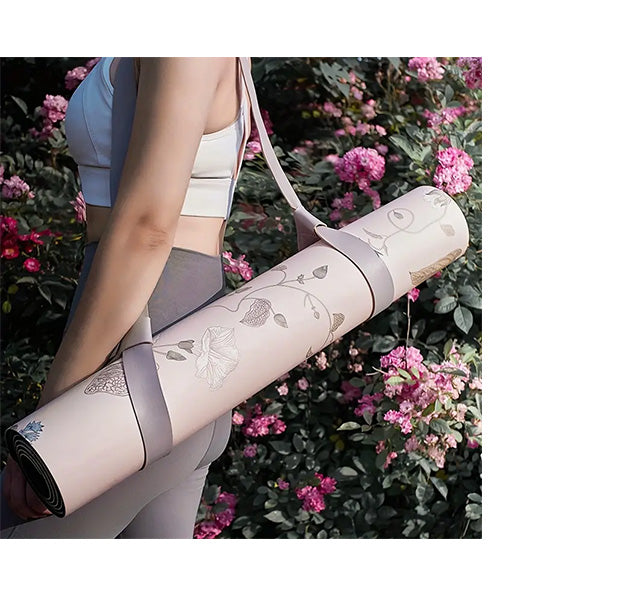
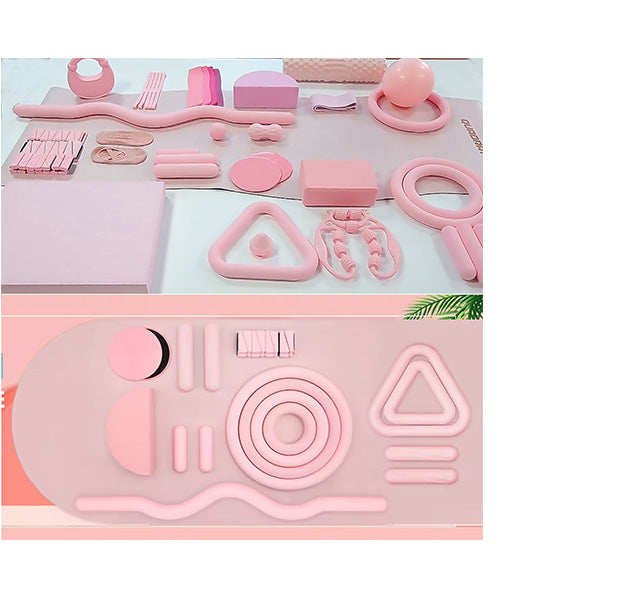

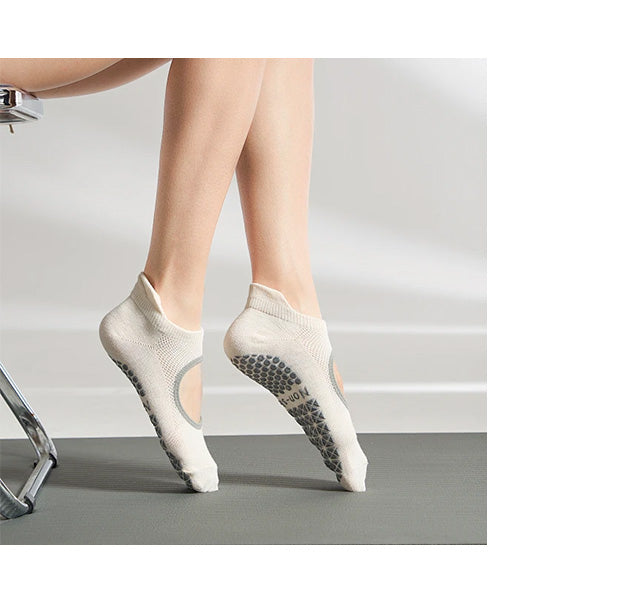

A Pilates product is not ready for mass production simply because the first sample looks good.
For brands, retailers, studios, and distributors, the more important question is whether the supplier can reproduce that approved sample consistently across a larger production run. A small difference in weight, dimensions, material feel, color, assembly, or packaging can become a much bigger issue when hundreds or thousands of units are involved.
Before placing a bulk order, buyers should therefore treat sample approval as a production checkpoint rather than the end of product development.
The Approved Sample Must Be Clearly Defined
The first requirement is a final, approved sample that both the buyer and supplier can refer back to.
A sample should represent the version that will actually be manufactured. If changes are made after approval—such as adjusting the dimensions, changing the material, modifying the weight, or replacing a component—the updated version should be confirmed again before production.
For Pilates accessories such as weighted wristbands, ankle weights, dumbbells, Pilates rings, and resistance bands, the specification should be clear enough to remove unnecessary interpretation.
Important details may include:
-
Product dimensions and weight
-
Materials and material combinations
-
Color references
-
Component construction
-
Logo placement and method
-
Packaging requirements
-
Product labeling
-
Any agreed customization
The goal is simple: the production team should not have to guess what the buyer means.
Materials Need to Be Confirmed Before Bulk Production
Material selection can affect much more than appearance.
For example, the feel, flexibility, surface finish, durability, and overall weight of a Pilates accessory may change depending on the material and manufacturing process used.
A buyer should confirm the actual material specification rather than relying only on general descriptions such as “premium,” “soft,” or “durable.”
If a product uses multiple materials, each major component should also be identified. This is particularly important for products such as Pilates rings, weighted accessories, and assembled fitness products.
If testing or certification is required for a particular market, buyers should also confirm which specific product and material the documentation covers. Certificates should not be treated as a substitute for checking the actual production specification.
The Product Must Be Repeatable, Not Just Good Once
This is one of the most important differences between a sample and a mass-production product.
A sample proves that a supplier can make a product. Mass production requires the supplier to make the same product repeatedly.
Before placing a large order, buyers should discuss how key specifications will be controlled during production.
For example:
Weight: Is the finished product within the agreed weight range?
Dimensions: Are size and thickness consistent between batches?
Appearance: Are colors, surface finishes, stitching, printing, and logos consistent?
Construction: Are components securely assembled in the same way?
Function: Does the product perform as expected rather than simply looking like the approved sample?
These checks become especially important when a product contains several components or requires manual assembly.
Testing Should Match the Product
Not every Pilates product requires the same testing process.
The appropriate checks depend on the product's construction, materials, intended use, and the buyer's market requirements.
For a weighted Pilates accessory, for example, weight accuracy and construction may be important. For a Pilates ring, buyers may pay closer attention to dimensions, materials, surface finish, and structural consistency. For resistance bands, elasticity and physical condition can be more relevant.
The key is to identify the characteristics that matter to the product before production begins.
Instead of asking a supplier for a vague “quality test,” buyers can create a simple inspection checklist based on the approved sample and specification sheet.
Packaging Is Part of Production Readiness
A product may be technically ready while its packaging is not.
For retail products, packaging can affect transportation, storage, shelf presentation, labeling, and the customer's first impression.
Before mass production, confirm:
-
Individual product packaging
-
Outer carton requirements
-
Carton dimensions and packing quantity
-
Product labels and barcodes, if required
-
Logo and artwork files
-
Warning or care information where applicable
-
Shipping marks
Packaging artwork should also be checked against the final product version. A last-minute product change can make previously approved packaging inaccurate.

Customization Should Be Locked Before Production
Private-label and OEM products often involve more than adding a logo.
A buyer may customize colors, weights, materials, packaging, printing, labels, or other product details. Each additional variable creates another specification that needs to be confirmed.
For this reason, the production-ready version should have a clear record of all approved customization.
A practical approach is to keep the approved sample, specification sheet, artwork, packaging design, and relevant testing documents together as one product file.
This gives both sides a common reference throughout production.
A Final Pre-Production Check Can Prevent Expensive Changes
Before giving the final production approval, buyers should compare the production specification against the approved sample one more time.
A useful pre-production checklist can cover:
Product: dimensions, weight, materials, color, construction
Branding: logo size, position, printing or other application method
Packaging: artwork, labels, carton configuration, quantities
Quality: inspection points and acceptable tolerances
Documentation: specifications, test reports, certificates, and other required documents
Order: quantity, delivery requirements, and agreed production version
This final review may take relatively little time, but it can prevent a small misunderstanding from becoming a large production problem.
When Is a Pilates Product Truly Ready for Mass Production?
A Pilates product is ready for mass production when the product is no longer defined by a single physical sample alone.
It should be supported by a clear specification, an approved production version, confirmed materials, agreed customization, appropriate quality checks, and packaging requirements that the supplier can reproduce consistently.
For buyers, the real question is not simply:“Does the sample look good?”
It is:“Can this exact product be made consistently at the required quantity and quality?”
That is the point at which product development becomes a production-ready project.
If you are sourcing Pilates products for a brand, retail business, studio, or distribution program, having the product specification and customization requirements clearly defined before production can make supplier communication much more efficient. For OEM and private-label projects, you can also share your product requirements with Mowin for discussion before moving to bulk production.