

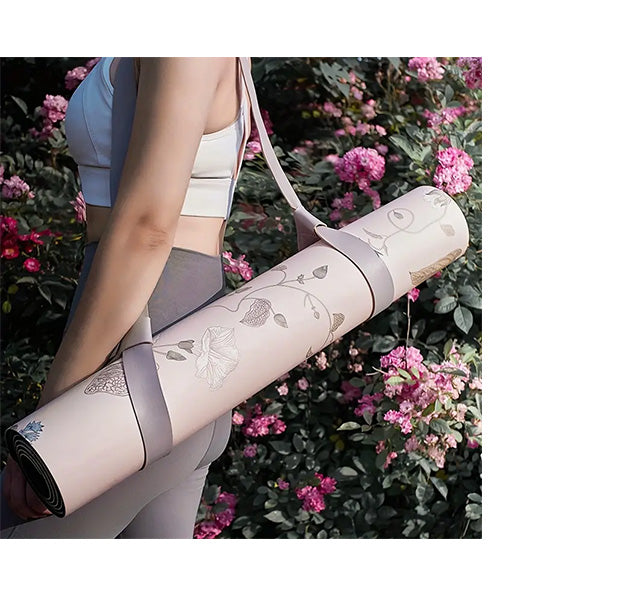

When practicing yoga, have you ever encountered awkward situations such as your hands slipping, knee pain, or the edges of your yoga mat constantly curling up? These seemingly minor issues can actually become significant "stumbling blocks" on your yoga path, greatly diminishing your practice experience.
In fact, not all yoga mats are created equal. A high-quality yoga mat is far more than just a tool to assist you in your practice. It's more like an intimate companion that can comprehensively enhance your practice results. From helping you maintain better balance to enabling you to perform deeper stretching poses, the right yoga mat can instantly transform your practice style, feelings, and performance, making each practice session smoother and more efficient.

Next, let's delve into how to choose a yoga mat that truly suits you.
Why is the Choice of Yoga Mat So Important?
Many beginners make a common mistake when starting their yoga journey - practicing directly on a cold, hard floor or opting for a cheap, low-quality yoga mat. However, investing in a high-quality yoga mat can bring you a host of crucial benefits.
Joint Protection
In yoga practice, numerous poses require close contact with the ground, especially for areas like the knees, wrists, and spine. A yoga mat with good cushioning acts like a soft protective pad, effectively reducing the pressure these parts bear during practice and lowering the risk of injury. Imagine performing poses like the Downward-Facing Dog, which require prolonged body support. A soft mat can provide noticeable comfort, preventing joint pain caused by a hard floor.
Stability and Safety
Maintaining body stability is of utmost importance in yoga practice. A yoga mat with anti-slip properties ensures that your hands and feet can firmly grip the mat in various poses, preventing easy sliding. This not only helps you perform poses better but also significantly reduces the likelihood of injury from slipping. For example, when doing balancing poses like the Tree Pose, an anti-slip mat allows you to stand more confidently, focusing on body balance and breath regulation.
Hygiene Guarantee
In yoga studios, it's common for multiple people to share yoga mats. This means you may be exposed to bacteria and dirt left by others. Having your own dedicated yoga mat effectively avoids the hygiene risks associated with sharing mats, allowing you to practice with greater peace of mind and in a healthier environment.
The Real Reasons Why Most Yoga Mats Don't Perform Well
The market is flooded with a wide variety of yoga mats, leaving people dazzled. However, many yoga mats, in their design and production processes, tend to focus too much on price factors while neglecting performance. This leads to a number of common problems:
Surface Slippage
During practice, especially when you sweat a lot, the surface of some yoga mats becomes extremely slippery, making it difficult for your hands and feet to find stable support points. This not only affects your practice results but also increases the risk of injury. Imagine the embarrassment and danger of suddenly slipping on the mat while trying to maintain balance.
Low-Quality Materials
To cut costs, some manufacturers use inferior materials to make yoga mats. These materials are not only prone to wear and tear, breaking easily, and having a short lifespan, but they may also emit pungent chemical odors. Long-term use of such yoga mats not only affects your practice experience but may also pose potential health risks.
Insufficient or Excessive Cushioning
Some yoga mats have poor cushioning performance and fail to provide adequate protection for your joints, causing pain and discomfort during practice. On the other hand, some mats are overly soft. Although they may look comfortable, they can make you feel unsteady underfoot and unable to maintain balance when performing poses that require stable support.
Thus, choosing the right yoga mat material is far more important than most people realize.
Key Factors to Consider When Buying a Yoga Mat
When selecting from a multitude of yoga mats, you must take the following key factors into account:
Thickness: The Balance Between Comfort and Ground Connection
The thickness of a yoga mat directly affects your practice comfort and the sense of connection with the ground. Different thicknesses are suitable for different groups of people and practice needs.
- 1/4 inch (6mm) - Ultra-Thick Type: This thickness is the "king of comfort," ideal for beginners or those with sensitive joints. It offers the maximum level of cushioning, effectively reducing the pressure between your body and the ground, providing you with an extremely comfortable practice experience. However, due to its greater thickness, you may feel less stable underfoot when performing balancing poses and need to expend more energy to maintain balance.
- 1/8 inch (3mm - 4mm) - Standard Type: This is the most common thickness on the market and the preferred choice for most yoga enthusiasts. It strikes a perfect balance between cushioning performance and the sense of ground connection. It provides you with sufficient comfort while allowing you to clearly feel the feedback from the ground, enabling you to perform various poses better. Both beginners and experienced practitioners can find their own practice rhythm on this thickness of yoga mat.
- 1/16 inch (1.5mm - 2mm) - Travel Type: If you're a yoga enthusiast who loves to travel or often need to carry a yoga mat for outdoor practice, this ultra-thin and lightweight travel yoga mat is your ideal choice. It can be easily folded and placed in a suitcase or backpack without taking up much space. However, due to its thin thickness, it offers relatively limited cushioning performance and is more suitable for use on softer grounds.
Material: The Choice Between Durability and Environmental Protection
The material of a yoga mat determines its texture, stickiness, elasticity, and environmental friendliness. Different materials have their own advantages and disadvantages, and you can choose according to your needs and preferences.
-
PVC (Polyvinyl Chloride): PVC yoga mats are renowned for their excellent durability and outstanding anti-slip performance. They can withstand long-term use and frequent cleaning without easily wearing out or breaking. At the same time, their surfaces usually have a certain degree of stickiness, providing you with stable support even when you're sweating. However, PVC material is non-biodegradable and causes certain pollution to the environment. If you prioritize the performance and lifespan of the yoga mat and have relatively lower environmental requirements, a PVC yoga mat is a good choice.

- TPE (Thermoplastic Elastomer): TPE yoga mats are an ideal choice between PVC and natural materials. They are more environmentally friendly than PVC and can be recycled, having a smaller impact on the environment. They are also lightweight and soft, providing you with good cushioning performance. In addition, TPE yoga mats have good anti-slip properties and can meet the needs of most yoga practices. If you want a yoga mat with decent performance and also care about environmental protection, a TPE yoga mat is a well-balanced option.
-
Natural Rubber & Cork: For those yoga enthusiasts who pursue environmental protection and high quality, yoga mats made of natural rubber and cork are undoubtedly the top choices. Natural rubber has excellent anti-slip performance, and its stickiness becomes stronger in humid environments, providing you with more stable support. Cork material has a unique texture and feel, not only having good anti-slip properties but also giving you a sense of being close to nature. Moreover, both natural rubber and cork are sustainable resources and environmentally friendly. However, yoga mats made of these two materials are relatively expensive. If you have high environmental requirements and are willing to pay a higher price for a high-quality yoga mat, they will be an excellent choice for you.

Texture and Anti-Slip Performance
The texture of a yoga mat directly affects its anti-slip performance. If you tend to sweat a lot or often practice hot yoga, choosing a yoga mat with good anti-slip performance is crucial. Generally, yoga mats with obvious textures or open-cell structures can better absorb sweat and increase friction, preventing your hands and feet from sliding. When choosing a yoga mat, you can touch the surface of the mat with your hand to feel the thickness and depth of the texture. The more obvious the texture, the better the anti-slip performance usually is.
Size
The standard size of a yoga mat is usually 68 inches long and 24 inches wide. However, for people taller than 5 feet 8 inches (173 cm), a standard-sized yoga mat may not meet their needs. When performing some full-body stretching poses, their hands and feet may extend beyond the mat, causing inconvenience in practice. Therefore, if you're tall, it's advisable to choose an extra-long yoga mat with a length between 72 and 84 inches to ensure that your hands and feet can always stay on the mat, providing you with a more comfortable and stable practice experience.
Cleaning and Maintenance Methods for Yoga Mats
To extend the lifespan of your yoga mat and maintain its good performance and hygiene, proper cleaning and maintenance methods are essential.
Daily Cleaning
After each practice session, it's recommended that you gently wipe the surface of the yoga mat with a clean, damp cloth to remove sweat, dust, and dirt. If you feel that the cleaning effect of a damp cloth is not ideal, you can also use a special yoga mat cleaning spray. These sprays usually contain natural cleaning ingredients that can effectively remove stains and odors without damaging the material of the yoga mat.
Deep Cleaning
In addition to daily cleaning, it's advisable to perform a deep cleaning of your yoga mat once a month. Place the yoga mat in a bathtub or a large basin, add an appropriate amount of warm water and a few drops of mild dish soap. Gently scrub the surface of the yoga mat with a soft-bristled brush, being careful not to use too much force to avoid damaging the mat's material. After scrubbing, rinse it thoroughly with clean water to ensure there is no residual dish soap.
Drying Treatment
After cleaning the yoga mat, be sure to dry it. Lay the yoga mat flat in a well-ventilated area and avoid direct sunlight. Because ultraviolet rays can accelerate the aging of natural rubber and TPE materials, causing the mat to become hard and crack. Wait until the yoga mat is completely dry before rolling it up for storage.
Embark on Your Perfect Yoga Journey
Your yoga mat is not just a practice tool. It's your exclusive yoga sanctuary, a space where you can have a dialogue with your inner self and relax your mind and body. Taking the time to carefully select a yoga mat with the right thickness, excellent material, and outstanding anti-slip performance will bring a qualitative leap to your yoga practice, allowing you to enjoy a comfortable and enjoyable practice experience in the days to come.
Now, are you eager to upgrade your yoga equipment? Come and browse our exclusive range of high-end, environmentally friendly, and anti-slip yoga mats! Here, you're sure to find a yoga mat that perfectly matches you and accompanies you on a wonderful yoga journey!