


Have you ever been holding a perfect Downward-Facing Dog, only to feel your hands and feet slowly, frustratingly sliding apart? Or maybe you’ve felt a chill during a restorative Yin yoga session, but regular socks made you slip all over the studio floor.
Enter yoga socks—the small but mighty accessory that can completely transform your practice.
Whether you are a seasoned yogi, a Pilates reformer enthusiast, or a beginner stepping onto the mat for the first time, investing in the right pair of non-slip grip socks is a game-changer for stability, hygiene, and comfort.
In this comprehensive guide, we will break down everything you need to know about yoga socks, their benefits, the different styles available, and how to choose the best ones for your daily practice.
1. What Are Yoga Socks?
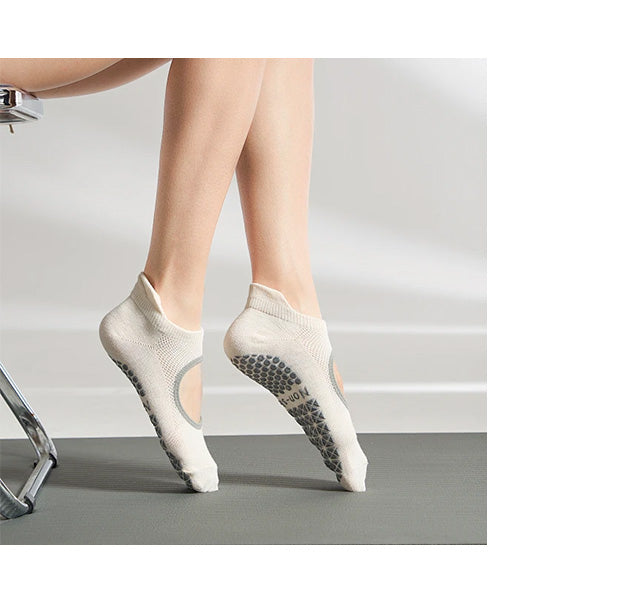
Unlike standard everyday footwear, yoga socks are specialized athletic socks engineered with silicone or rubberized grip patterns on the soles. These traction dots create micro-friction against your yoga mat or studio hardwood floors, preventing you from slipping. They are typically made from highly breathable, moisture-wicking fabrics like organic cotton, bamboo, or wool blends to keep your feet dry and secure.
2. 5 Major Benefits of Wearing Yoga Socks
Many practitioners wonder: "Why not just go barefoot?" While barefoot practice is traditional, wearing specialized grip socks offers modern practical advantages that elevate your performance.
-
Enhanced Stability & Balance: The non-slip silicone bottoms lock your feet into position. This allows you to focus on your core engagement and alignment rather than worrying about wiping out during advanced asanas (poses).
-
Hygiene and Protection: Public yoga studios and shared mats can be breeding grounds for sweat, dust, and foot skin conditions. Yoga socks act as a clean, protective barrier between your skin and the floor.
-
Temperature Regulation: During warm-ups, cool-downs, or gentle practices like Yoga Nidra, your body temperature drops. Yoga socks keep your muscles and joints warm, reducing the risk of cramping or strain.
-
Better Foot Mechanics: Many yoga socks feature five-toe separation. This promotes natural toe splay, strengthens intrinsic foot muscles, and enhances your body's grounding and balance.
-
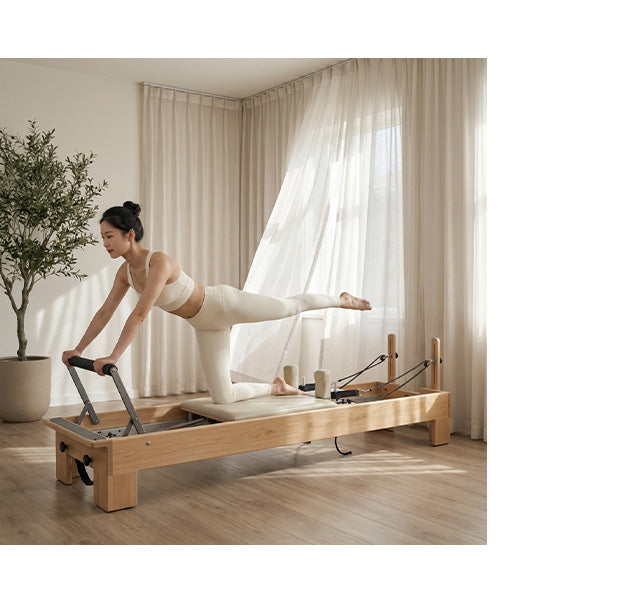
Versatility Beyond the Mat: These aren't just for yoga! They are the gold standard for Lagree, Pilates reformer classes, ballet barre workouts, and dance.
3. The Different Types of Yoga Socks (And How to Choose)
Not all yoga socks are created equal. The right style depends entirely on your personal comfort preferences and the type of workout you do.
The Style Comparison Matrix
| Sock Style | Best For | Key Advantage | Missing Element |
| Full-Toe Grip Socks | Pilates, Barre, Cold Studios | Complete warmth, maximum barrier hygiene | Feels less like a traditional barefoot experience |
| Toeless / Half-Toe Socks | Hot Yoga, Vinyasa Flow | Tactile feedback; toes can grip the mat directly | Less thermal protection for cold days |
| Five-Toe Separation | Balance poses, Alignment | Encourages natural toe splay and foot activation | Can take a few extra seconds to put on |
| Stirrup / Open-Heel | Dance, Barre, Yoga | Maximizes skin-to-mat contact at the heel and toe | Less protection for the center arch |
4. Key Factors to Consider When Buying Yoga Socks
Before hitting "Add to Cart," keep these three core metrics in mind:
A. Material Composition
-
Organic Cotton & Spandex: Offers a classic soft feel with enough stretch to prevent the sock from bunching up mid-pose.
-
Bamboo Fiber: Naturally antimicrobial and incredibly moisture-wicking—ideal if your feet tend to sweat during high-intensity Vinyasa.
-
Merino Wool: Exceptional for cold-weather outdoor yoga or slow, meditative yin practices due to its premium insulation.
B. Grip Quality
Look for high-quality, 100% eco-friendly silicone or TPE grip patterns. Cheaply manufactured socks use plastic dots that wash off after one cycle or melt in the dryer. Ensure the traction covers the high-pressure zones: the heel and the ball of the foot.
C. Cut & Height
-
Low-Cut/No-Show: Minimalist, sleek, and keeps your ankles cool.
-
Ankle/Crew Length: Provides extra support around the Achilles tendon and keeps ankles warm.
5. How to Care for Your Yoga Socks to Make Them Last
To maintain the sticky traction of your non-slip soles, follow these quick care steps:
-
Turn them inside out before throwing them in the washing machine. This protects the silicone grips from rubbing against other clothes.
-
Wash on a gentle cycle with cold water.
-
Air dry whenever possible. If you must use a dryer, tumble dry on low heat. High heat can degrade the rubberized grips over time.
Conclusion: Step Up Your Practice Today
Yoga is about finding your center, breathing through challenges, and connecting mind to body. It shouldn't be about fighting a slippery mat. By adding a pair of high-quality yoga socks to your gym bag, you gain the confidence, grip, and stability needed to take your practice to the next level.
Ready to stop sliding and start growing? Check out our premium collection of breathable, ultra-grip yoga socks designed for every body and every flow.