

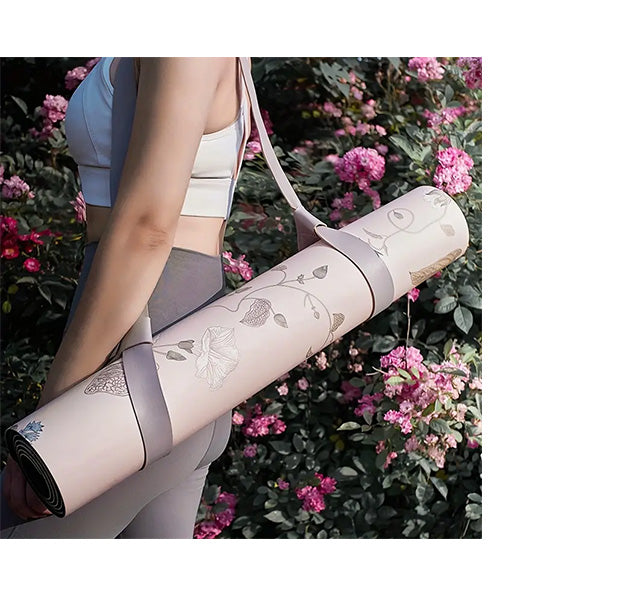

Finding the perfect yoga mat can feel a bit overwhelming when you're just starting out. Walk into any studio or browse online, and you’ll find hundreds of options. But here’s the truth: your yoga mat is the most important investment you’ll make in your practice. It’s not just a piece of fitness gear—it is your foundation, your support, and your safety net.
Whether you are practicing sweaty Vinyasa flows or restorative Yin yoga, the wrong mat can lead to slipping, sore joints, and a highly frustrating session.
In this ultimate guide, we’ll break down everything you need to know to find the absolute best yoga mat for your body, your style of practice, and the planet.
Why Buying the Right Yoga Mat Matters
When you’re in a downward-facing dog, the last thing you want is your hands sliding out from under you. A high-quality yoga mat serves three main purposes:
-
Injury Prevention: Proper traction stops you from slipping, which protects your wrists, knees, and shoulders from sudden strains.
-
Joint Cushioning: Hard studio or home floors can be brutal on your joints. The right thickness absorbs the impact on your knees, spine, and ankles.
-
Mindful Focus: When you aren't constantly adjusting a bunching, moving, or slippery mat, you can actually focus on your breath and alignment.
1. The Core Factor: Yoga Mat Materials Explained
The material of your yoga mat dictates its grip, lifespan, texture, and how eco-friendly it is. This is where most shoppers get confused, so let’s look at the three most popular materials on the market today.
PVC (Polyvinyl Chloride)
PVC is the traditional material used for fitness mats.
-
The Good: It’s incredibly durable, easy to clean, and usually very budget-friendly. PVC mats offer good stickiness to keep you from sliding sideways.
-
The Bad: It is not biodegradable and is less breathable. If you sweat heavily, a bare PVC mat can become quite slick unless paired with a yoga towel.
TPE (Thermoplastic Elastomer)
TPE is a synthetic blend that bridges the gap between traditional plastic and eco-friendly alternatives.
-
The Good: TPE mats are lightweight, recyclable, and often hypoallergenic. They generally offer excellent cushioning and a soft, textured grip.
-
The Bad: They are slightly less durable than PVC or natural rubber and can degrade if left in a hot car or under direct sunlight for too long.
Natural Rubber
For serious yogis and eco-conscious practitioners, natural rubber is often the gold standard.
-
The Good: Harvested from rubber trees, these mats are completely biodegradable and non-toxic. They offer unparalleled, elite-level open-cell grip—even when your hands get sweaty.
-
The Bad: Natural rubber mats are significantly heavier to carry around and usually come with a higher price tag. They also have a natural, earthy scent when brand new, which fades over time.
2. Thickness: Finding the Sweet Spot Between Comfort and Stability
Yoga mat thickness is measured in millimeters (mm). Finding the right density is a balancing act between protecting your joints and being able to balance on one foot.
| Thickness | Best Used For | Pros & Cons |
| Travel (1mm - 2mm) | Frequent travelers, commuting | Very lightweight and foldable; offers almost zero cushion on hard floors. |
| Standard (4mm - 5mm) | All-around practice, studio classes | The ideal sweet spot; provides great stability for balance poses while protecting knees. |
| Thick (6mm+) | Pilates, Yin Yoga, therapeutic practice | Amazing bone and joint comfort; can make balancing poses (like Tree Pose) feel wobbly. |
Pro Tip: If you have sensitive knees but love balancing poses, opt for a standard 4mm or 5mm high-density mat. You can always fold a blanket under your knees during low lunge sequences!
3. Texture and Grip: Sticky vs. Non-Slip
Texture dictates how much traction the yoga mat provides. There are two main ways mats achieve grip:
-
Man-Made Texture: Many TPE and PVC mats feature a raised, textured pattern (like a waffle or pebble pattern) molded into the surface to physically catch your hands and feet.
-
Material Traction: Natural rubber and polyurethane (PU) top layers offer a smooth, matte finish that naturally "suctions" to your skin, providing superior dry and wet grip.
If you practice hot yoga or sweat heavily, look for an open-cell mat (like natural rubber or PU) that absorbs moisture to maintain its grip, or look into a specialized microfiber suede yoga mat.
How to Clean and Maintain Your Yoga Mat
To make sure your investment lasts for years, proper care is crucial. Bacteria, oils, and sweat can break down mat materials over time.
-
Wipe it down after every class: Use a gentle, alcohol-free mat spray or a mixture of water and a drop of mild dish soap.
-
Never use harsh chemicals: Bleach or intense essential oils can erode natural rubber and ruin the stickiness of PVC/TPE mats.
-
Air dry completely: Always hang your mat to dry completely before rolling it up. Rolling up a damp mat is a recipe for mold and odor.
-
Keep it out of the sun: Direct UV rays bleach colors and dry out natural materials, causing them to flake and crack.
Final Checklist: Which Mat Should You Choose?
-
Choose a 4mm-5mm Natural Rubber Mat if: You practice daily, care about eco-friendly materials, want maximum grip, and don't mind a heavier mat.
-
Choose a 5mm-6mm TPE Mat if: You want a lightweight mat for easy commuting, need extra cushion for floor work, and prefer a budget-friendly but green option.
-
Choose a 1.5mm Travel Mat if: You are always on the move and want something that folds flat into a suitcase to lay over studio rental mats.
Investing in a high-quality yoga mat changes your entire practice. It gives you the confidence to hold poses longer, sink deeper into your stretches, and step onto your mat day after day.
Explore our full collection of premium, non-slip yoga mats today to find the perfect foundation for your wellness journey.