



Something interesting happened on the way to the Pilates studio. The ankle weight, that sad sand-filled sock your physiotherapist used to hand you, got a glow-up. And now the brands that once sold you $98 leggings are realizing the real money might be strapped to your wrists.
From Ugly to "It" Accessory
Bala Bangles didn't invent weighted wrist and ankle wear. They just made you want to be seen wearing it. When Natalie Holloway and Max Kislevitz launched the brand in 2018, they started from a simple observation: ankle weights were hideous. "Nobody uses them because they're ugly," Holloway told Glossy.
The fix was almost stupidly simple. Wrap recycled stainless steel in soft silicone, make it look like an oversized bracelet, and suddenly a piece of gym equipment becomes something you'd wear to brunch. The couple had advertising backgrounds but zero supply chain experience. It took a year to prototype. They built the site themselves, shot their own product photos, and slid into Instagram DMs offering free bangles to fitness influencers when they had just 1,000 followers.
By the time they appeared on Shark Tank in early 2020, they'd hit $2 million in sales. By the end of that year, $20 million. By 2021, revenue had climbed past $23 million, with Maria Sharapova as an investor.
The Numbers Behind the Boom
The global wrist and ankle weights market was worth $326 million in 2024 and is projected to hit $764 million by 2031, a 12.5% compound annual growth rate. That growth isn't coming from physical therapy clinics. It's coming from Pilates studios, home fitness routines, and the kind of person who wears a weighted bangle while walking the dog.
In China, Tmall's "weighted equipment" category saw monthly transaction growth exceed 200% year-over-year in June 2026. Celebrity sightings, particularly actress Guan Xiaotong wearing them during rehearsals, sent searches and sales through the roof. On Xiaohongshu, posts about weighted bangles now number in the tens of thousands, with users sharing tips on wearing them during commutes, in offices, and on hikes.
Why Pilates Brands Want In
Pilates apparel brands are sitting on something valuable: a customer base that already thinks of m

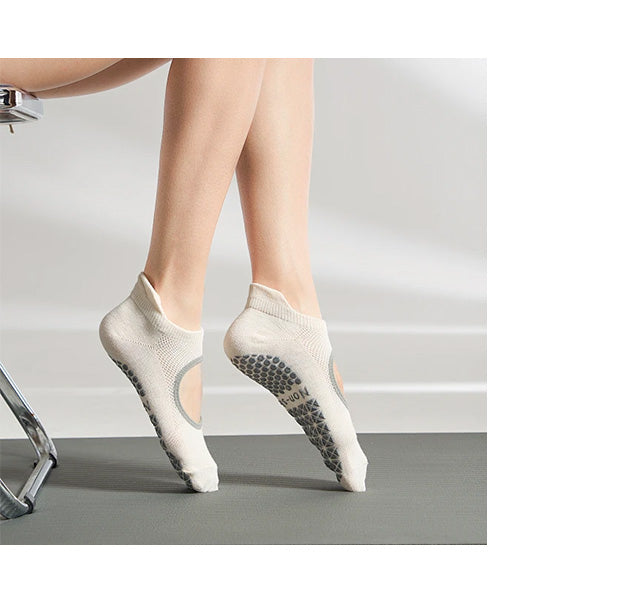
ovement as a lifestyle, not a chore. The women buying $120 sculpting leggings and $80 grip socks aren't just working out. They're curating an identity. Weighted accessories fit that identity perfectly.
Look at what Alo Yoga has done. The brand started with activewear, moved into accessories like mats, blocks, and resistance bands, and now sells leather handbags priced between $1,200 and $3,600. The logic is straightforward. If your customer trusts you to dress her for Pilates class, she'll trust you to accessorize her life outside it.
Lululemon followed a similar playbook with a twist. The brand now sells $80 hair ties, $220 claw clips, and $380 water bottles. These aren't impulse buys. They're entry points. A hair tie is a low-commitment way to test a brand before dropping $128 on leggings, and it doubles as a walking advertisement every time someone wears it.
The accessories segment within Pilates and yoga studio markets is projected to grow at a 9.5% CAGR, faster than any other product category. Accessories already account for roughly 38% of total merchandise sold by studios that carry retail, second only to apparel.
It's Not About the Weight
Here's the thing about weighted bangles: the actual training benefit is modest. A one or two-pound bracelet adds resistance, sure, but you're not going to build serious muscle with it. That was never the point.
What Bala figured out early is that the product is as much a social signal as a fitness tool. Wearing weighted bangles says something about who you are. You're someone who takes movement seriously enough to invest in it, but not so seriously that you'd wear a beat-up nylon ankle strap. The brand deliberately styled models in business suits wearing ankle weights, positioning itself as the antidote to the hyper-masculine gym world.
That positioning matters because it's what allows a piece of fitness equipment to leave the gym. You can wear Bala Bangles on a walk. You can wear them while cooking, or commuting, or chasing a toddler. The original sandbag version never left the studio. The silicone bangle version lives everywhere.
The Real Shift
Pilates brands aren't expanding into accessories because accessories are a nice add-on. They're doing it because the boundary between "working out" and "living" has basically dissolved for their core customer.
Roughly 70% of consumers now wear athleisure even when they aren't exercising. Sportswear has shifted from pure performance to a blend of function, aesthetics, and everyday usability. Accessories are the natural extension of that shift. They're smaller, cheaper, and easier to iterate than apparel. They let a brand test new materials, colors, and collaborations without the inventory risk of a full clothing line.
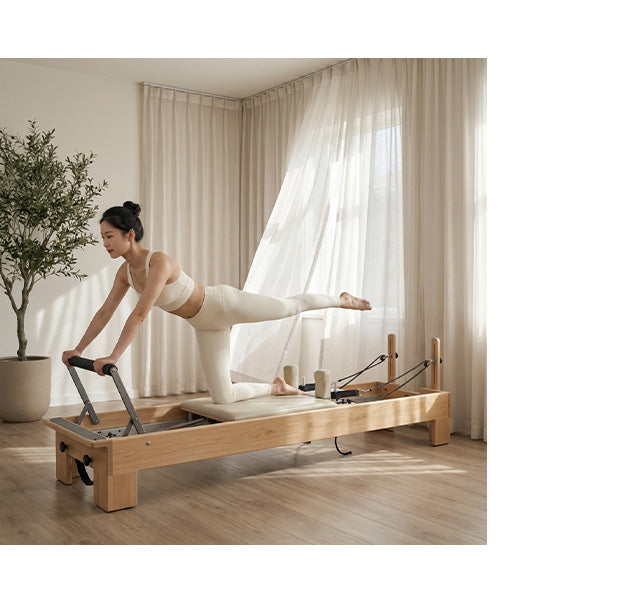
And unlike a reformer or a Pilates ring, a weighted bangle travels. It fits in a carry-on. It doesn't need a studio. That portability is exactly what a generation raised on boutique fitness classes and home workouts wants.
The ankle weight didn't get better. It got prettier. And pretty, it turns out, sells.