

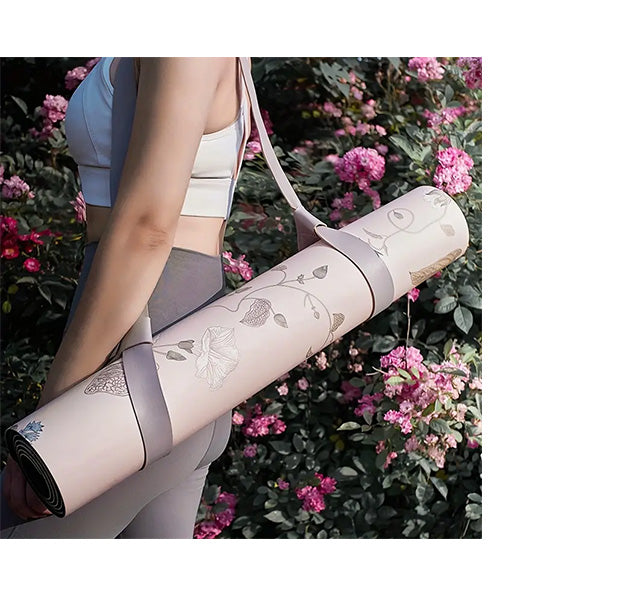
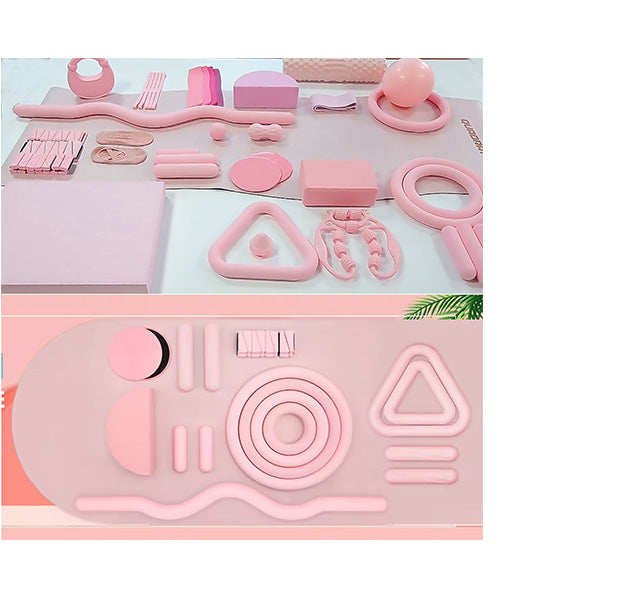
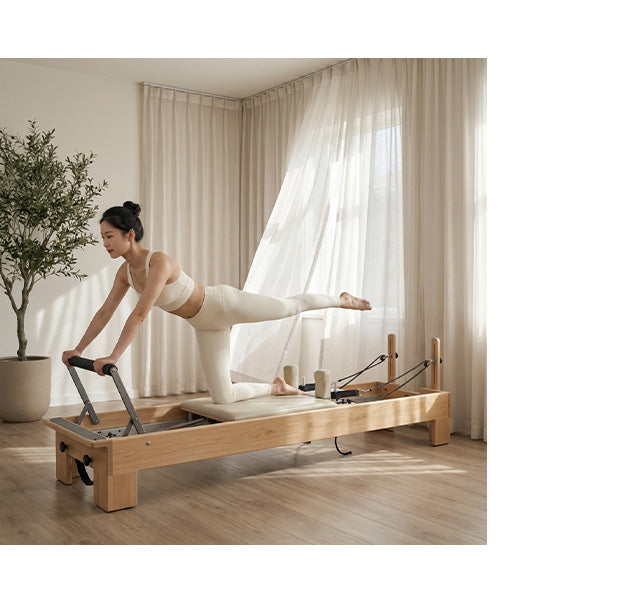

The global home fitness market isn’t just growing—it is shifting toward aesthetics, apartment-friendly designs, and high-margin lifestyle gear.
For DTC fitness brands, retail buyers, and Amazon sellers, choosing between silicone-coated dumbbells and traditional weights (rubber hex, cast iron, CPU/TPU polyurethane) isn’t just a product decision. It determines your profit margins, target audience, and return rates.Here is an analytical breakdown of how these materials compare and how to decide which option belongs in your inventory.
1. Material Breakdown: What Sets Them Apart?
Understanding material characteristics helps you communicate value clearly to your customers.
| Feature | Silicone Coated | Rubber Coated / Hex | CPU / TPU Polyurethane | Bare Cast Iron |
| Grip & Feel | Soft, non-slip, skin-friendly | Textured, industrial | Smooth, firm, hard plastic | Cold, rigid metal |
| Odor Level | 100% Odorless | Strong rubber smell (outgassing) | Odorless | Odorless |
| Aesthetics | Matte pastel/custom colors, high-end | Utility, heavy-duty black | Commercial gym look | Raw, rustic |
| Floor Protection | Superior (soft impact) | High (absorbs shock) | Moderate to High | Zero (damages floors) |
| Weight Range | Ideal for light-to-mid (1–15 lbs) | Heavy-duty (5–100+ lbs) | Heavy-duty (5–100+ lbs) | Heavy-duty |
2. Silicone Dumbbells: The Lifestyle & Home Fitness Driver
Silicone dumbbells (often constructed with an inner steel core sealed in food-grade or high-durability silicone) are rapidly dominating the modern home workout segment.
The Advantages for Brands
-
Higher Profit Margins: Silicone weights are positioned as "lifestyle and wellness equipment." Customers expect to pay a premium for design, pastel aesthetics, and tactile comfort, giving brands a significantly higher mark-up than commodity iron.
-
Zero Odor & Low Returns: Cheap rubber weights often draw negative 1-star reviews on Amazon due to chemical off-gassing. Silicone is inert, non-porous, and completely odorless, protecting your brand reputation.
-
Apartment-Friendly Appeal: Modern consumers train in living rooms and bedrooms. Silicone doesn't scratch hardwood floors, doesn't clank loudly, and wipes clean in seconds.
The Limitations
-
Weight Constraints: Silicone isn't cost-effective or practical for heavy bodybuilding (e.g., 50+ lb dumbbells).
-
Niche Market: Unsuited for hardcore powerlifting or traditional commercial iron gyms.
3. Traditional Weights: The Utility & Strength Backbone
Traditional weights—ranging from cast iron to high-end CPU polyurethane—remain the standard for strength training.
The Advantages for Brands
-
Mass Market Demand: Heavy lifters, commercial gyms, and home gym purists consistently search for traditional hex or urethane dumbbells.
-
Broad Weight Spectrum: Essential for offering full weight stacks (up to 100+ lbs).
The Limitations
-
Margin Compression: Basic rubber hex dumbbells are a commodity. Price wars on Amazon and big-box retail make differentiation difficult.
-
Shipping & Storage Costs: High unit weight coupled with lower retail price margins increases fulfillment risk for DTC brands.
4. Brand Strategy: Which Should You Stock?
Your product strategy should align directly with your brand positioning and customer demographic:
Choose Silicone Dumbbells If You Are:
-
A Lifestyle Fitness / Yoga / Pilates Brand: Target audience values aesthetics, compact storage, and tone-focused workouts (Barre, Sculpt, Low-Impact Cardio).
-
Focusing on Women’s Health & Home Gyms: Customers want weights that look clean in a living space and feel comfortable on the hands without workout gloves.
-
Launching a High-Margin DTC Line: You want to differentiate on design, colorways, and premium branding rather than competing on price-per-pound.
Choose Traditional Weights If You Are:
-
Outfitting Commercial or B2B Facilities: Gyms, athletic centers, and cross-training boxes require heavy-duty polyurethane or heavy rubber sets built for constant drops.
-
Serving Serious Strength Lifters: Your customer base prioritizes progressive overload and heavy weight increments above all else.
The Hybrid Approach (Best Practice for Scaling Brands)
If you operate a growing eCommerce store, do not treat these options as mutually exclusive. Use silicone dumbbells as your low-to-mid weight "entry lifestyle product" (1–10 lbs) to acquire higher-margin DTC consumers, while stocking traditional rubber or TPU dumbbells for your core strength training catalog.
Final Decision Matrix
Target: Home Fitness / Pilates / Lifestyle  --->  Silicone Dumbbells (High Margin, High Aesthetic)
Target: Commercial Gyms / Powerlifting       --->  CPU/TPU Polyurethane (Maximum Durability)
Target: Budget Home Gyms / General Strength  --->  Rubber Hex (Mass Volume, Lower Margin)
By curating your material selection to match customer intent, you reduce return rates, increase lifetime value (LTV), and build a distinct brand identity in a crowded fitness market.