

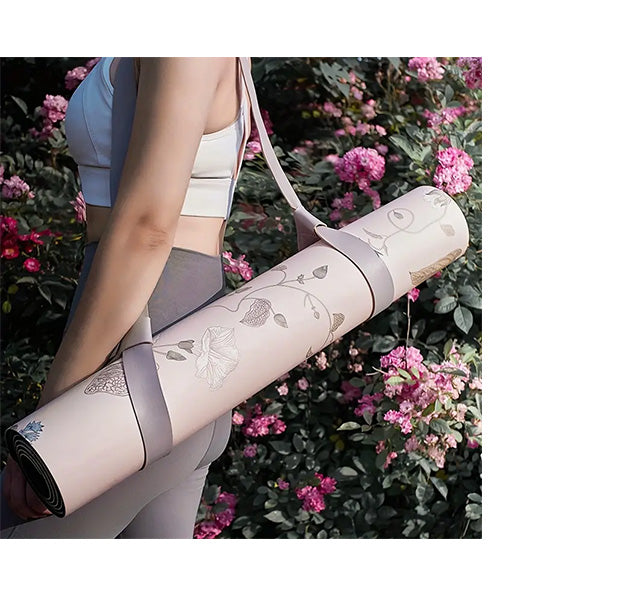
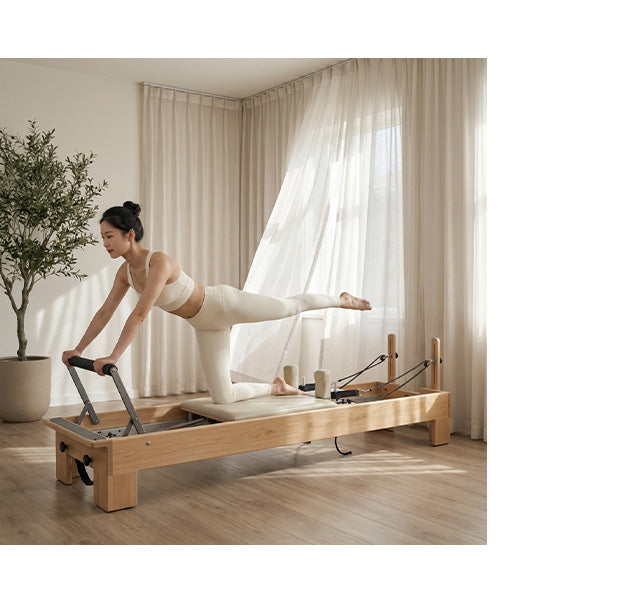
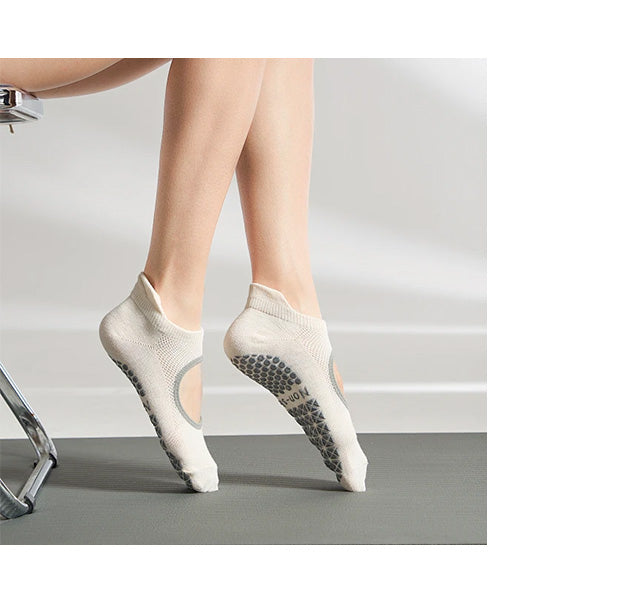

Launching a private label Pilates product line does not require developing every product from scratch. For new fitness brands, working with an existing manufacturer and customizing products with a brand logo, selected colors, and packaging can be a practical starting point.
However, the total investment depends on your product selection, minimum order quantity (MOQ), customization requirements, shipping arrangements, and sales channel.
There is no single price that applies to every brand. A business starting with a few existing Pilates accessories will have a very different budget from one developing custom products with new molds.
The best way to estimate your investment is to break the launch into several cost categories before requesting supplier quotations.
1. What Are the Main Costs of a Private Label Pilates Line?
Your initial budget should cover more than the factory's unit price.
| Cost category | What to include |
|---|---|
| Product inventory | Pilates rings, balls, resistance bands, dumbbells, and other accessories |
| Samples | Product evaluation, custom samples, and courier fees |
| Branding | Logo printing, embossing, and color customization |
| Packaging | Branded boxes, labels, inserts, and retail packaging |
| Shipping and import | Freight, insurance where applicable, customs duties, and import-related charges |
| Quality control | Product inspections and testing where required |
| Sales and marketing | Website, photography, advertising, and promotional materials |
| Working capital | Cash reserved for operating expenses and replenishment |
The U.S. Small Business Administration recommends separating startup expenses from ongoing expenses and considering inventory, marketing, website costs, and operating cash when estimating the capital required to launch a business. Source: U.S. Small Business Administration
For a Pilates brand, this distinction matters because money tied up in inventory cannot also be used to pay for advertising, shipping, or the next production order.
2. How Much Should You Budget for Products and MOQ?
Product purchasing is often one of the largest initial expenses. The quantity you order and the level of customization you choose will directly affect your investment.
There are three common approaches.
Option 1: Start with Existing Products
Choose existing Pilates accessories and add your logo where supported by the manufacturer.
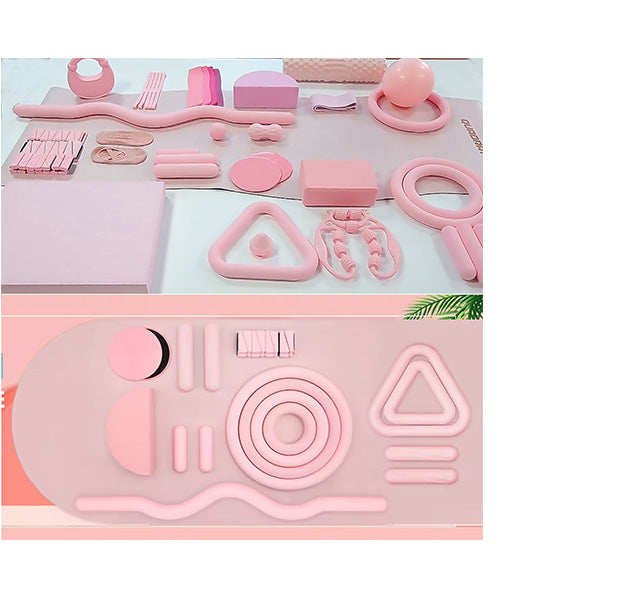
Suitable products include Pilates rings, exercise balls, resistance bands, silicone dumbbells, and wrist or ankle weights.
This approach avoids the need to develop an entirely new product design. It can also help you test different products before committing to a larger collection.
Option 2: Build a Coordinated Private Label Collection
Select several compatible products, then coordinate their colors, logos, and packaging.
For example, a retail-ready Pilates accessory set could include a Pilates ring, ball, resistance band, and weighted wristbands.
The main budgeting question is whether the supplier can combine different products, colors, and quantities within a workable order structure. Ask whether MOQ applies to the total order or separately to each product, color, and design.
Option 3: Develop Custom Products
OEM or ODM projects may involve changes to product dimensions, materials, construction, molds, or other specifications.
These projects can require additional development work, testing, and setup costs. They also carry more risk if demand has not been validated.
For a first launch, using existing product designs and customizing the branding is often a simpler approach than developing a completely new product.
Important: There is no universal MOQ or unit price for private label Pilates products. Request quotations based on your exact specifications rather than relying on general industry price ranges.
3. What Does Customization Add to the Cost?
Customization can mean several different things, and each should be quoted separately.
-
Logo customization: Printing, embossing, or applying your brand logo.
-
Color customization: Matching products to your brand's color palette.
-
Packaging customization: Creating branded boxes, labels, and product inserts.
-
Product development: Changing the existing design or developing a new product.
Using an existing product with a custom logo is generally less complex than creating a new mold or redesigning the product. However, the actual price difference depends on the factory's equipment, production process, order quantity, and material requirements.
Before approving a quotation, ask the supplier to clarify:
-
Whether there are one-time setup or development fees.
-
Whether the MOQ changes with each customization option.
-
Whether sample costs are refundable against a bulk order.
-
Whether packaging materials have their own minimum order quantities.
-
Whether the quoted price includes all requested branding.
These details help you compare quotations accurately instead of comparing unit prices that cover different services.
4. How Much Do Website and Marketing Costs Add?
Product costs are only part of launching a brand. You also need a way to present your products, reach buyers, and generate sales.
If you plan to sell through your own website, platform fees should be included in your budget.
For example, Shopify's official U.S. pricing page lists its Basic plan at $29 per month when billed yearly. This is a published platform subscription price, not the total cost of running an online store. Domain registration, paid apps, photography, advertising, and other services may add to the budget.
Source: Shopify Pricing
For a B2B-focused Pilates brand, marketing preparation may also include:
-
Product photography and detailed specifications.
-
A digital catalog for retailers and distributors.
-
Wholesale pricing and MOQ information.
-
Product samples for potential buyers.
-
A website with clear customization and inquiry options.
You do not necessarily need an expensive website at the beginning. Prioritize clear product information, professional images, and an easy way for buyers to request quotations.
5. A Practical Example of Calculating Your Launch Budget
Consider a hypothetical brand preparing its first Pilates accessory collection.
Instead of assigning invented factory prices to each product, calculate the budget using actual supplier quotations.
Illustrative budget formula:
Total launch budget =
Product inventory
-
Samples and courier fees
-
Branding and packaging
-
Freight and import costs
-
Quality control
-
Website and marketing
-
Working capital reserve
For example, if a supplier quotes 300 units at an agreed unit price, the initial product cost is:
300 × quoted unit price = product inventory cost
You then add the other costs that apply to your order.
This calculation should use the supplier's actual quotation and confirmed shipping terms. The 300-unit quantity is an example for budgeting, not a claim that 300 units is a standard MOQ for Pilates products.
For a more reliable estimate, request quotations at two or three quantities. Compare the total cash required, the cost per sellable unit, and the amount of inventory you may need to hold.
6. How Can You Reduce the Initial Investment?
A smaller launch can still create a coherent product range if you make deliberate sourcing decisions.
Start with a focused collection. Choose a few complementary products rather than ordering many variations before you understand customer demand.
Use existing product designs. Where suitable, add your logo and packaging before investing in new product development.
Limit color variations. Every additional color or design may affect MOQ, production planning, and inventory management. Confirm the supplier's rules before finalizing your collection.
Order samples before bulk production. Check materials, dimensions, finish, packaging, and product performance. Approving a sample helps reduce the risk of receiving products that do not match your expectations.
Reserve cash for sales and replenishment. Avoid spending your entire budget on the first order. You may need additional funds for customer acquisition, unexpected shipping costs, or restocking products that sell well.
Compare total landed costs. A lower factory price does not automatically mean a lower overall cost. Include freight, applicable duties, packaging, inspection, and other charges when comparing suppliers.
7. Questions to Ask a Private Label Pilates Manufacturer
Before placing your first order, request clear answers to these questions:
-
What is the MOQ for existing products with a custom logo?
-
Can different Pilates accessories be combined in one order?
-
Are mixed colors and product types available?
-
What are the sample fees and sample lead times?
-
Are custom packaging and color matching available?
-
What are the production lead time and payment terms?
-
Which product tests or compliance documents are available?
-
What shipping terms and export documents can the supplier provide?
A detailed quotation should identify the product specifications, order quantity, customization costs, packaging requirements, lead time, and shipping terms.
This information gives you a much stronger basis for calculating your initial investment than a general estimate alone.
Final Thoughts
The cost of launching a private label Pilates product line depends on how much you customize, how many products you introduce, and how much inventory you need to purchase.
For new brands, starting with existing products, a focused collection, and carefully planned branding can reduce development complexity. As sales data becomes available, you can expand the range or invest in more distinctive product designs.
At MOWIN, we support yoga and Pilates product sourcing for brands looking for wholesale products and customization options. If you are planning a new collection, share your target products, estimated quantities, preferred colors, and branding requirements to request a quotation tailored to your project.
Ready to develop your private label Pilates collection? Contact MOWIN to discuss product options, customization, and wholesale sourcing.