

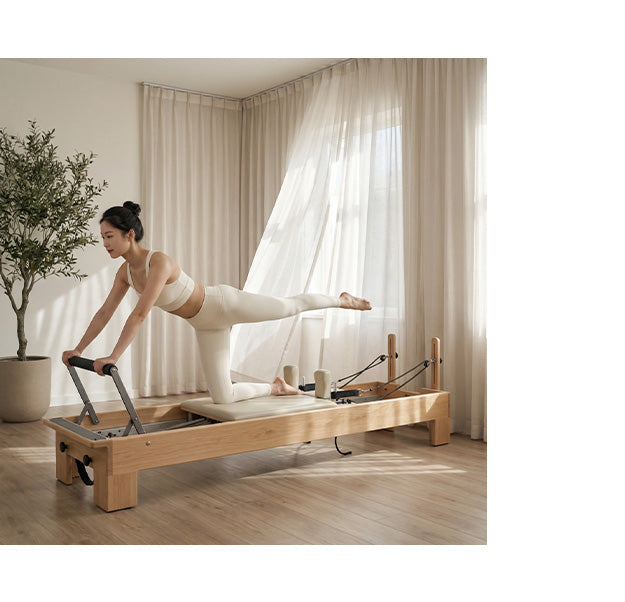

Walk into any high-performing boutique Pilates studio today, and the floor looks noticeably different than it did five years ago. The classic maple-frame Reformer hasn't disappeared, but it is sharing floor space—and capital budgets—with anodized aluminum rigs, modular tower conversions, and sensor-equipped carriages.
1. Modularity Over Single-Purpose Apparatus
Commercial real estate isn't getting any cheaper, and studio operators are pushing back against bulky, single-function machines that sit idle during peak group classes. Reformers still account for over 60% of commercial Pilates equipment purchases, but the machines winning bids today are built for rapid floor transitions.
-
Convertible Tower Systems: Instead of dedicating separate square footage to full Cadillac trapeze tables, studios are investing in Reformer-to-Tower combos. Instructors can switch a class from athletic Reformer flow to vertical spring work in under two minutes without moving heavy frames.
-
Stackable and Vertical-Stow Commercial Frames: Multi-use facilities—such as luxury hotels, country clubs, and hybrid athletic clubs—increasingly require commercial-grade aluminum Reformers that can be rolled and stored upright without compromising carriage track stability or weight capacity.
-
Standardized Component Ecosystems: Smart operators are auditing spring tension ratings, pulley angles, and rope lengths across their fleet so replacement parts are interchangeable across chairs, barrels, and Reformers.
2. Smart Reformers and Frictionless Connected Coaching
Connected fitness in the commercial sector used to mean bolting a giant tablet onto a frame—a design choice that aged poorly and created IT headaches for studio managers. In 2026, smart Pilates equipment has matured into subtle, durable hardware integration.
Modern connected Reformers embed low-profile load cells and carriage-tracking sensors directly into the frame. For studio operators, the value isn't flashy gamification; it's operational consistency:
-
Repetition and Tempo Telemetry: Sensors track carriage travel, symmetry, and spring load, giving instructors objective data when managing large 12-to-16-person group classes.
-
Predictive Maintenance Alerts: High-volume studios run machines 10 to 14 hours a day. Built-in cycle counters alert facility managers when springs, wheels, or cords approach their fatigue threshold—preventing mid-class failures and liability issues.
-
Automated Client Profiles: Integration with studio booking software allows returning clients to see their recommended spring settings and footbar positions as soon as they step onto the mat.
3. Clinical and Rehabilitation-Grade Specifications
One of the strongest demand drivers in the commercial sector is the crossover between boutique fitness and physical therapy. Across North America, Europe, and Australia, a growing share of new studio clients are entering Pilates for lower-back management, post-operative rehab, or joint-friendly longevity training.
| Procurement Criterion | Standard Boutique Spec | Clinical & Rehab-Ready Spec (2026) |
| Carriage Height | Standard low profile (14–16 inches) | Elevated clinical height (22–24 inches) for easier transfers |
| Spring Calibration | Color-coded standard tension | Fine-increment micro-springs for graded loading |
| Upholstery & Foam | Standard vinyl, medium density | Medical-grade antimicrobial vinyl, high-density closed-cell foam |
| Accessibility | Fixed footbars and narrow carriages | Multi-angle locking footbars and wider, stabilized platforms |
For distributors and commercial buyers, stocking apparatus that meets clinical accessibility standards opens up high-margin B2B channels—including outpatient rehab clinics, orthopedic centers, and corporate wellness facilities.
4. Material Shifts: Anodized Aluminum and Sustainable Finishes
While traditional hard rock maple remains a staple for classical studios, aerospace-grade anodized aluminum has become the preferred structural material for modern high-throughput chains.
Aluminum frames resist warping in humid studio environments, eliminate wood-joint creaking under heavy dynamic loads, and allow for tighter manufacturing tolerances along the carriage rails. At the same time, procurement teams are scrutinizing chemical compliance. Certifications like CE, RoHS, and REACH—alongside VOC-free upholstery and sustainably harvested timber accents—have shifted from "nice-to-have" marketing perks to mandatory baseline requirements for commercial tenders.
5. Direct OEM Customization and Supply Chain Consolidation
As regional studio franchises scale from five locations to fifty, off-the-shelf retail equipment no longer cuts it. Brand owners are working directly with ISO 9001-certified OEM/ODM manufacturers to build proprietary equipment lines.
-
Custom Brand Identity: Custom powder-coat frame colors, debossed upholstery logos, and bespoke spring color-coding allow growing franchises to reinforce brand equity inside every class photo posted on social media.
-
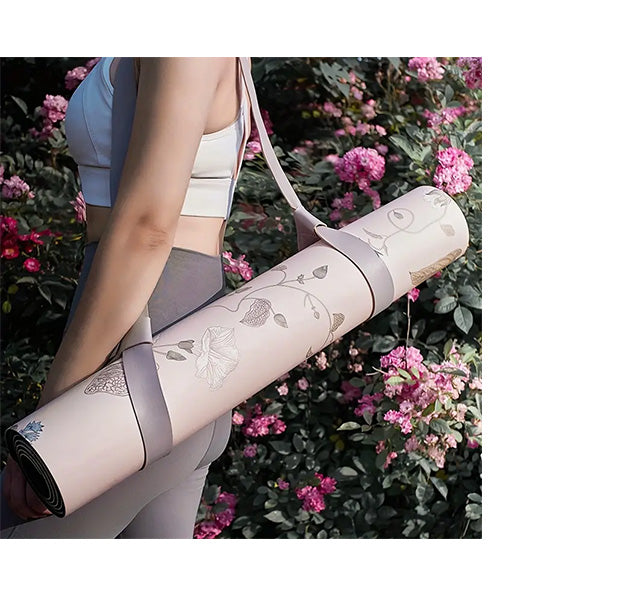
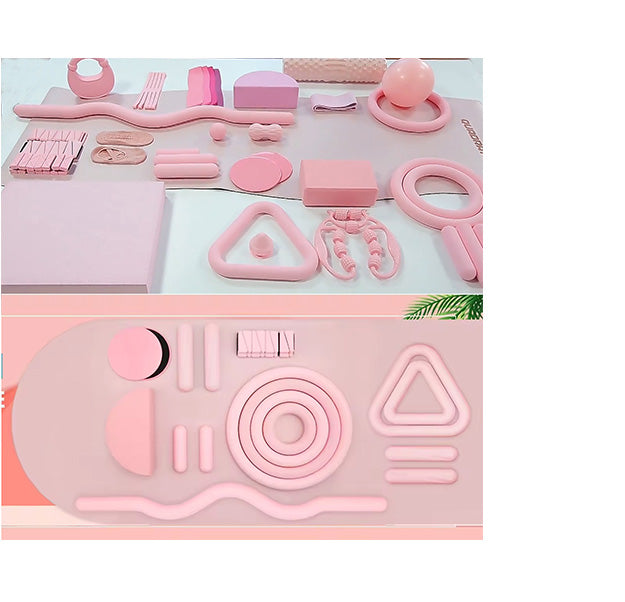
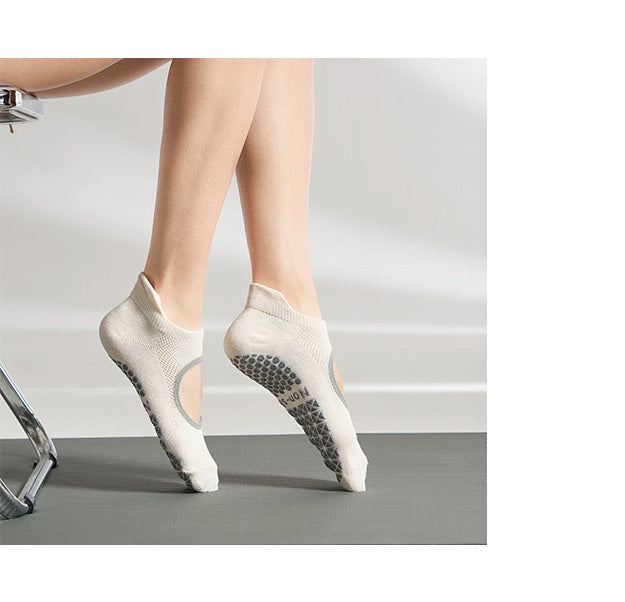
One-Stop Container Consolidation: Rather than juggling separate vendors for Reformers, stability chairs, spine correctors, and small props (rings, weighted balls, grip socks), commercial buyers are consolidating orders with full-catalog manufacturers to cut freight costs and simplify customs clearance.
-
Guaranteed Spare-Parts SLAs: The cheapest Reformer on a spec sheet becomes the most expensive machine on your floor if a broken carriage wheel takes six weeks to replace. Leading B2B buyers now negotiate mandatory spare-parts kits (typically 5–10% of order volume) upfront in every purchase order.
How B2B Buyers Should Evaluate Suppliers in 2026
When vetting equipment partners for your next studio buildout or distribution cycle, look past the upfront unit price and audit total cost of ownership:
-
Test Carriage Acoustics and Track Tolerance: Roll the carriage under uneven lateral load. Any rattle or drag at the rail seams indicates loose machining tolerances that will accelerate wheel wear.
-
Verify Spring Cycle Testing: Ask for third-party fatigue test data on music-wire springs (commercial-grade springs should be rated for at least 300,000+ cycles without tension drift).
-
Audit Compliance Documentation: Ensure factories can provide up-to-date ISO 9001 quality management records and material safety certifications before wiring a deposit.
-
Confirm 3D Prototyping and Lead Times: If you are developing custom branding or modified dimensions, prioritize suppliers with in-house R&D teams capable of turning around CAD drawings and physical samples within weeks rather than quarters.
By aligning equipment procurement with modularity, clinical versatility, and reliable OEM backing, studio operators and distributors can protect their margins while building spaces designed for the next decade of growth. MOWIN will be your most trusted supplier.