

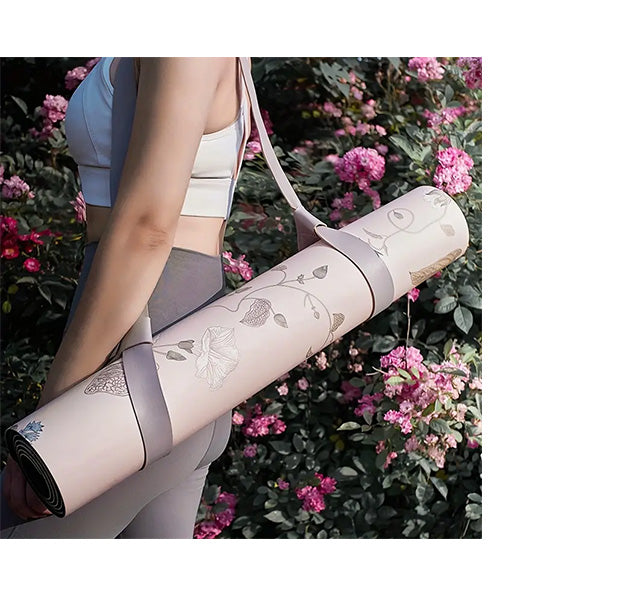
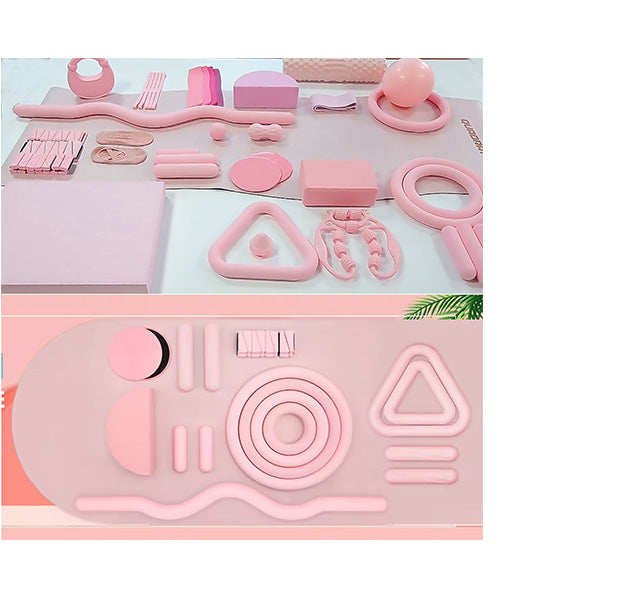
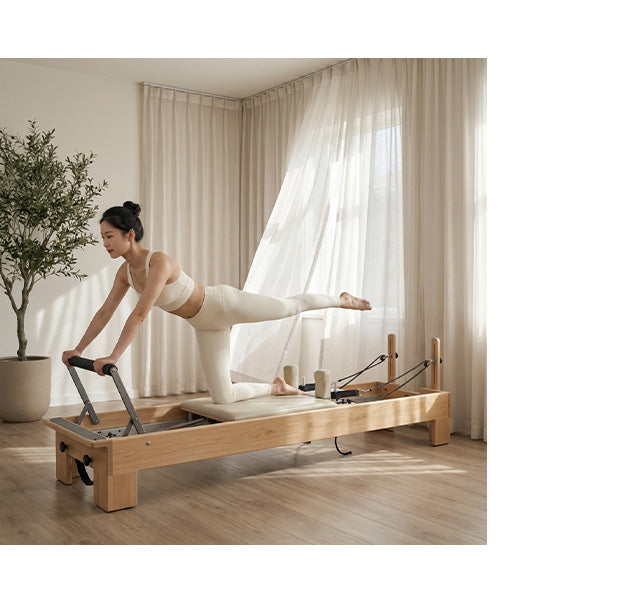
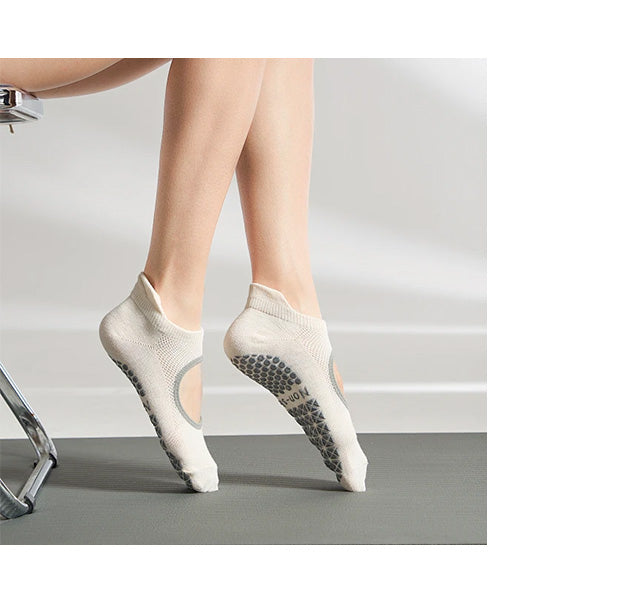

The yoga and home fitness market continues to expand in 2026, with consumers prioritizing personalized gear that matches their lifestyle, aesthetic, and wellness values. Gone are the days when launching a branded yoga product line required huge capital and bulk orders of thousands of units. Today, low MOQ (minimum order quantity) manufacturing opens the door for small business owners, wellness coaches, fitness influencers, and boutique brand founders to build custom yoga equipment without massive upfront risk. If you dream of launching your own yoga mat, block, strap, or full yoga kit line, this guide breaks down exactly how to make it happen with low MOQ suppliers.

First, define your niche and product scope to avoid spreading your budget too thin. The yoga market is crowded with generic black mats and basic foam blocks. To stand out in 2026, narrow your focus to a specific audience. Are you targeting hot yoga practitioners who need sweat-resistant, non-slip mats? Eco-conscious yogis looking for natural rubber and cork accessories? Or beginner-friendly bundled yoga sets for home workouts? Start small instead of launching a full catalog at once. Most new brands begin with one flagship product, such as a custom printed yoga mat, before adding blocks, straps, and bolsters. This limited product lineup keeps your sample costs and initial order sizes low, perfectly fitting a low MOQ business model. You also need to decide on your customizations: brand logo printing, unique color palettes, surface texture, material upgrades, and packaging design. Every customization option affects pricing and minimum order requirements, so keep custom features simple for your first production run.
Next, source reliable low MOQ manufacturers specializing in yoga equipment. Many traditional factories require MOQs of 500 to 2,000 pieces, but a growing number of suppliers now accept orders from 50 to 200 units for yoga accessories. Focus on factories experienced in fitness and yoga goods, not general merchandise producers. When vetting suppliers, verify material certifications, especially for eco-friendly materials like natural rubber, cork, TPE, and organic cotton. Certifications such as REACH ensure your products are non-toxic and safe for skin contact, a critical selling point for yoga buyers. Always request physical product samples before committing to a full order. Samples let you test grip, durability, thickness, print quality, and weight. Compare quotes from multiple suppliers and clarify all hidden fees: mould setup charges, logo plate fees, shipping costs, and inspection fees. Some low MOQ suppliers charge higher per-unit prices, but the smaller initial order reduces your total investment and inventory risk.
Once you have finalized your product design and supplier, build your brand identity and packaging. Packaging is often overlooked, yet it is a core part of the customer experience. Custom printed poly bags, recycled paper boxes, branded instruction cards, and tissue paper turn a simple yoga mat into a premium product. Keep packaging sustainable, as modern yoga shoppers actively seek plastic-free options. At this stage, also sort out compliance requirements. Depending on your target sales region, you may need product safety documents and lab test reports. These documents protect your brand and help you sell on marketplaces or direct-to-consumer websites.
Then plan your sales and marketing strategy. With limited initial inventory, direct-to-consumer channels work best. Instagram, TikTok, Pinterest, and wellness blogs are ideal platforms to showcase your yoga gear. Work with micro yoga influencers to test your products and share authentic reviews. You can also pre-sell your custom yoga line before production, using pre-orders to validate demand and fund your first low MOQ batch. Pre-orders are a powerful tactic for new brands, removing the risk of buying inventory that does not sell. After launch, collect customer feedback to tweak product details for your next production run.
Finally, manage inventory and scale gradually. Low MOQ manufacturing is a testing tool. Your first run is not meant to make huge profits; it validates market demand, tests product quality, and builds your first customer base. Track sales data, customer reviews, and return rates carefully. If your flagship yoga mat sells well, you can increase your order quantity to lower per-unit costs and expand your product range. If certain custom features receive negative feedback, adjust the design for your next batch without losing thousands in unsold stock.
Launching a custom yoga equipment line with low MOQ in 2026 is entirely achievable for aspiring wellness entrepreneurs. By choosing a clear niche, partnering with certified low-minimum suppliers, prioritizing product safety and sustainable design, and validating demand before large production runs, you can build a profitable yoga gear brand with limited startup capital. The key is to start small, listen to your customers, and grow step by step.