

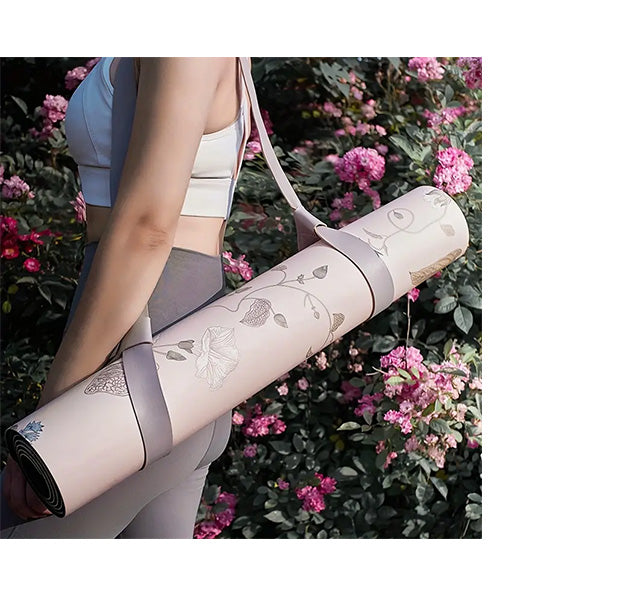
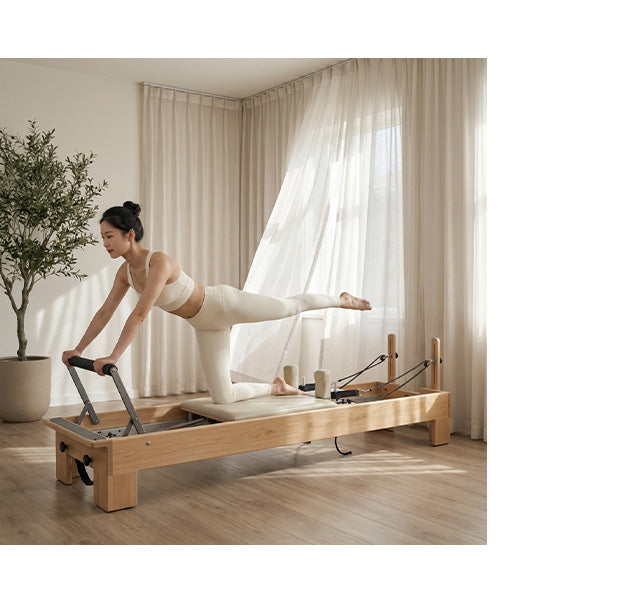

Pilates isn’t just having a moment—it’s anchored itself as a permanent pillar of modern wellness.
Driven by the rise of at-home reformer workouts, mat-based studio classes, and viral social media routines, demand for Pilates gear has skyrocketed. But for D2C brands and fitness retailers, selling individual items like resistance bands or grip socks often leads to a common frustration: low Average Order Value (AOV) and slim profit margins eaten up by shipping costs.
The solution? A curated, retail-ready Pilates accessory set.
Bundling complementary accessories into a cohesive, branded set transforms low-ticket items into high-margin luxury bundles. But putting together a set that actually sells requires more than just throwing a few items into a mesh bag.
Here is your step-by-step blueprint to designing, sourcing, and launching a retail-ready Pilates kit that builds brand equity and keeps customers coming back.
1. Curate the Core: What Goes Inside the Box?
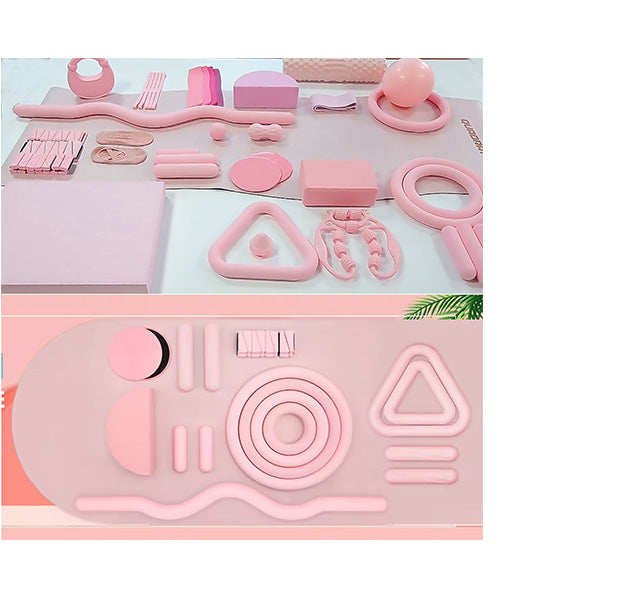
A great Pilates set balances functionality, aesthetic harmony, and perceived value. You don't need a dozen items; three to four well-made essentials create the perfect starter or upgraded bundle.
Here are the standard anchors for a high-converting Pilates kit:
-
The Hero Item: A Pilates Ring (Magic Circle)
-
Why it matters: It’s iconic to Pilates and provides the primary tension source for inner-thigh and upper-body work.
-
Retail details: Choose padded, non-slip EVA handles and an unbreakable fiberglass core.

-
-
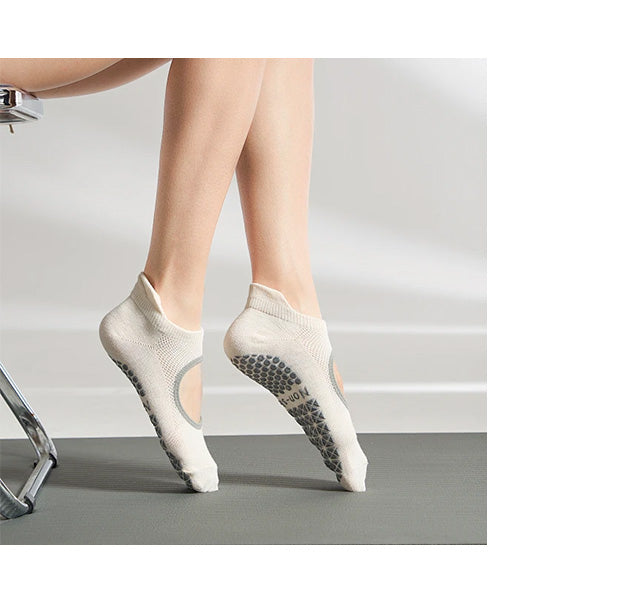
The Comfort Essential: Premium Non-Slip Grip Socks
-
Why it matters: A studio requirement and home workout essential.
-
Retail details: Opt for combed cotton with custom silicone bottom grips matching your brand palette.

-
-
The Sculptor: Mini Inflatable Core Ball (8–10 Inches)
-
Why it matters: Adds instability for abdominal routines and inner-thigh activation.
-
Retail details: Anti-burst PVC with a quick-inflate straw included.

-
-
The Finisher: Textile Resistance Loop Bands
-
Why it matters: Latex bands pinch skin and roll up during workouts. Fabric/textile woven loop bands feel premium, last longer, and don't snap.
-
Retail details: Offer a set of 2–3 resistance levels (Light, Medium, Heavy) in tonal colors.
-
2. Nail the Aesthetics: Move Away from "Boring Gym Gear"
The modern Pilates consumer buys with their eyes. Bright neon pinks and generic athletic blue aren't cut for today's market. Modern Pilates gear lives in living rooms, social media feeds, and aesthetic studio spaces.
-
Tonal & Cohesive Color Palettes: Choose 2-3 core brand shades. Earthy neutrals (terracotta, sage, sand, mushroom) or serene pastels (dusty rose, oat, eucalyptus) consistently outperform high-contrast athletic colors.
-
Consistent Branding Touchpoints: Ensure the logo application matches across materials. Screen printing works well on grip socks, debossed silicon looks sleek on the magic circle handles, and woven fabric tags elevate resistance bands.

3. Elevate the Unboxing: Retail-Ready Packaging
Packaging is what turns a group of loose items into a giftable, high-value product line.
If a customer opens a plain poly mailer and finds four separate plastic bags, the perceived value collapses. To make it retail-ready:
-
The Carrying Bag: Include a custom canvas tote, branded linen drawstring bag, or sleek neoprene pouch. This adds immediate utility—customers love having a dedicated bag for studio trips.
-
Custom Retail Outer Box: Design a rigid or corrugated mailer box with interior printing. A simple phrase inside the lid (e.g., "Your daily movement ritual starts here") creates an instantly shareable unboxing moment for Instagram and TikTok.
-
Instructional Insert: Include a printed starter guide or a QR code linking to an exclusive 10-minute video routine. This bridges the gap between hardware and experience.
4. Sourcing & Quality Control Essentials
When manufacturing custom equipment sets, small details make or break customer reviews.
-
Material Non-Negotiables:
-
BPA-Free & Phthalate-Free PVC for core balls.
-
Skin-Friendly Latex-Cotton Blends for resistance fabric.
-
High-Grip Silicone Patterning for socks that actually stick to studio floors or hardwoods.
-
-
Consolidated Sourcing: Working with a supplier that can source, brand, assemble, and package all elements together saves thousands in freight fees compared to shipping separate components from four different factories.
5. Pricing and Margin Strategy
To make a retail-ready Pilates set profitable, aim for a 4x to 5x keystone markup.
-
Landed Cost Target: $12 – $18 USD (Includes items, custom logos, retail box, and ocean shipping/kitting).
-
Retail Price Point: $58 – $78 USD.
At this price point, you offer clear savings compared to buying items individually, while keeping your margin high enough to comfortably absorb digital advertising (Meta/TikTok ads) and shipping promotions.
Ready to Launch Your Branded Pilates Collection?
Building a custom Pilates set isn't just about selling equipment—it's about offering a complete movement experience. By focusing on cohesive design, premium materials, and thoughtful packaging, your brand can stand out in a booming market and capture lasting customer loyalty.
Looking for custom manufacturing, color matching, and kitting solutions for your brand? Contact our product development team today to request samples and kickstart your custom Pilates line.