


The global Pilates equipment market is experiencing unprecedented growth. Driven by low-impact fitness trends, boutique studio expansions, and at-home practices, demand is no longer limited to basic studio gear. Consumers actively look for premium, aesthetically unified, and home-friendly Pilates products.
Launching a private label Pilates collection allows you to build brand equity and capture high margins in a fast-growing niche. Here is your actionable, step-by-step roadmap to sourcing, designing, and selling a private label Pilates line.
1. Define Your Target Market & Collection Scope
Trying to serve everyone often leads to generic offerings. Choose a clear entry point depending on your starting capital and brand positioning.
-
The Home Routine Entry (Low MOQ / High Volume): Focus on lightweight, easily shippable accessories.
-
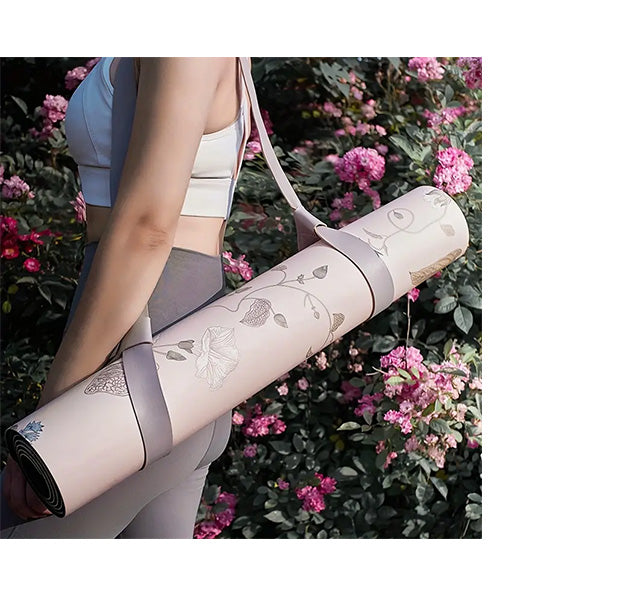
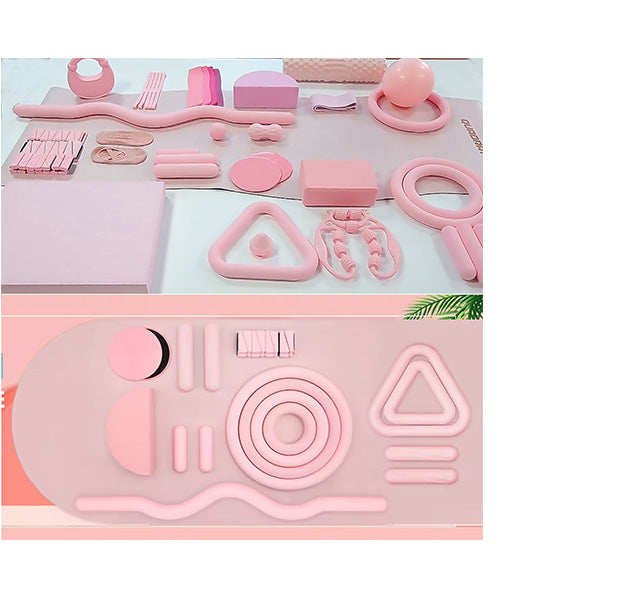
Core products: High-density non-slip TPE mats, mini balance balls, aesthetic magic circles (Pilates rings), and fabric resistance bands.
-
-
The Studio-at-Home Upgrade (Mid Tier): Target consumers looking to build an aesthetic home workout corner.
-
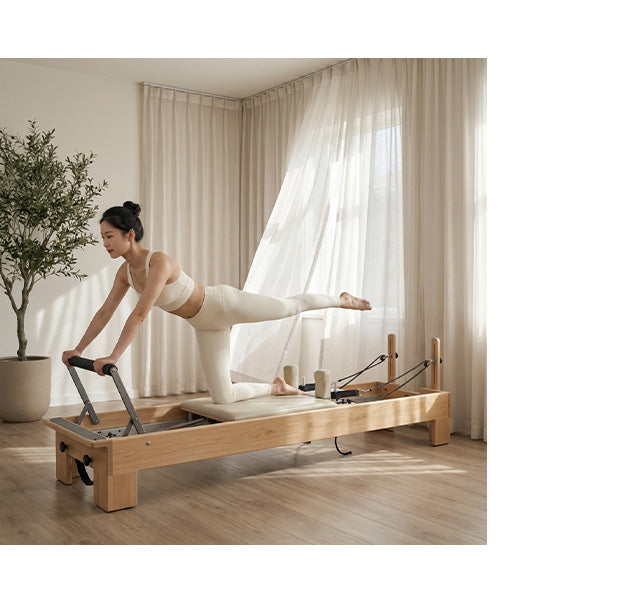
Core products: Weighted ankle/wrist bands, spine correctors (foam or EPP), and compact foldable reformers.
-
-
Commercial & Boutique Fitness (High Margin / Low Volume): Supply boutique studios, physical therapy centers, and hotel gyms.
-
Core products: Solid beechwood or aluminum frame reformers, Cadillac towers, and Wunda chairs.
-
2. Differentiate Through Aesthetics and Material Quality
To stand out against mass-market dropshippers, your private label products must feel curated and premium.
-
Color Palette Unity: Ditch generic bright primary colors. Modern consumers favor muted earth tones, warm neutrals (sage green, oat, terracotta), and monochrome aesthetics that blend seamlessly into modern living rooms.

-
Eco-Friendly Materials: Sustainable manufacturing builds trust and justifies higher pricing. Prioritize natural tree rubber, recycled TPE, FSC-certified hardwood for reformer frames, and organic cotton/bamboo fabrics.
-
Ergonomics & Safety: Ensure your resistance bands use non-snap reinforced weaving and your reformer carriage systems utilize industrial-grade silent bearings (such as ABEC-7) for an ultra-smooth glide.
3. Source the Right Manufacturing Partner
Your supplier choice impacts your product quality, shipping costs, and customer satisfaction.
-
Verify Certifications: Ask manufacturers for ISO9001 compliance, REACH/RoHS testing reports for plastics and foam, and FSC certification for wood.

-
Request Customized Tooling: True private labeling goes beyond printing a logo on existing stock. Ask for custom color pantones, custom density, branded metal badges, and bespoke retail packaging.
-
Sample Testing Checklist:
-
Durability: Test bands and springs under max extension over 500+ repetitions.
-
Odor: Ensure mats and foam equipment have no off-gassing chemical smells.
-
Packaging Resilience: Run drop-tests on boxed products to prevent transit damage.
-
4. Build Product Pages That Drive Conversions
High-converting product pages rely on clear visual evidence and functional details rather than vague marketing claims.
-
Show, Don't Just Tell: Use original lifestyle imagery and short video clips demonstrating the gear in actual movement. Highlight close-up details like stitched borders, custom-engraved logos, and non-slip textures.
-
Clear Specs & Dimensions: State weights, material compositions, resistance levels (in lbs/kg), and load capacities upfront to reduce customer service queries.
-
Highlight Material Safety: Explicitly mention non-toxic, latex-free, and phthalate-free specs on your sales pages.
5. Marketing Strategies to Launch Your Collection
-
Gifting to Certified Pilates Instructors: Send pre-launch product kits to certified instructors and studio founders. Their authentic endorsement carries far more trust and conversion power than standard lifestyle influencers.
-
Build "Routine Bundles": Increase your Average Order Value (AOV) by selling curated sets (e.g., "The Ultimate Core & Mobility Bundle" containing a mat, ring, and mini ball) rather than individual items.
-
Focus on SEO Content: Create educational guides surrounding movement routines, mat maintenance, and equipment comparisons to capture search traffic natively.
Final Thoughts
Building a private label Pilates line isn't about selling more plastic equipment—it is about creating a cohesive, high-quality movement experience for your customers. By prioritizing material sourcing, aesthetic unity, and authentic fitness partnerships, your DTC brand can carve out a lucrative space in this thriving industry.