


In front of the floor-to-ceiling windows of a yoga studio, sunlight filters through the sheer curtains, casting a mosaic of light and shadow on the wooden floor. Some people are focused on performing the "Warrior II Pose," with their legs firmly grounded and arms spread like eagles in flight. Others are completely relaxed in the "Child's Pose," with their foreheads gently touching the mat, as if merging with the earth. On the yoga mat, every crease records the trajectory of the body, and every worn spot tells the story of perseverance. And in this seemingly ordinary practice, the philosophy of "non-attachment" (Vairagya) is quietly permeating—it pertains not only to spiritual cultivation but also to our choices of yoga equipment. When we infuse the wisdom of "non-attachment" into the selection of mats and yoga outfits, the act of purchasing itself becomes a form of spiritual practice in reconciling with material desires. Meanwhile, there are intricate connections between yoga philosophy and mental health, which run through the entire process of yoga practice and profoundly influence our perception and choice of equipment.

I. Non-Attachment: The Wisdom of "Letting Go" in Yoga Philosophy
"Non-attachment" is a core concept in yoga philosophy, originating from the profound insights into the "nature of the mind" in the Yoga Sutras. It does not require us to abandon material things or withdraw from the world. Instead, it advocates for a state of clear awareness—not being bound by external labels, evaluations, or transient desires, and always maintaining inner freedom and independence. As yoga master B.K.S. Iyengar said, "Yoga is not about becoming someone else; it's about becoming your whole self." This "wholeness" is not about being flawless but about accepting the truth and finding serenity after letting go of attachments.
In an era of material excess, we are often swept along by the tide of "consumerism." Merchants use labels like "professional," "high-end," and "limited edition" to create anxiety. Social media stimulates desires with images of "perfect bodies" and "ideal lives." As a result, we impulsively buy a "must-have top-tier yoga mat" or a "trendy yoga outfit" for a fleeting moment of popularity, ignoring the most essential function of the equipment—to assist in spiritual practice, not to define oneself. This attachment to "external recognition" runs counter to the yoga philosophy of "non-attachment."
The Intrinsic Connection between Yoga Philosophy and Mental Health
From the perspective of mental health, the philosophical concept of "non-attachment" in yoga has significant effects in alleviating modern people's psychological stress, anxiety, and depression. In the fast-paced life, people are often driven by various goals and expectations, constantly pursuing material satisfaction and social status. This excessive attachment can lead to inner exhaustion and imbalance. The "non-attachment" philosophy in yoga encourages us to let go of excessive focus on results and concentrate on the present experience and feelings. When we are no longer swayed by external evaluations and expectations and can face life's challenges and changes with a calm mind, our inner anxiety and stress will naturally decrease.
For example, during yoga practice, when we focus on every movement and breath in each pose, we temporarily forget the troubles and stresses of life and direct our attention to the current physical sensations. This cultivation of concentration helps us break free from the shackles of negative emotions, enhances psychological resilience and adaptability. At the same time, "non-attachment" also teaches us to accept our imperfections and the setbacks in life, stop being overly harsh on ourselves, and thus reduce self-denial and self-criticism, boosting self-confidence and self-identity.
II. The Transformation of Yoga Mats: From "Tools" to "Spiritual Companions"
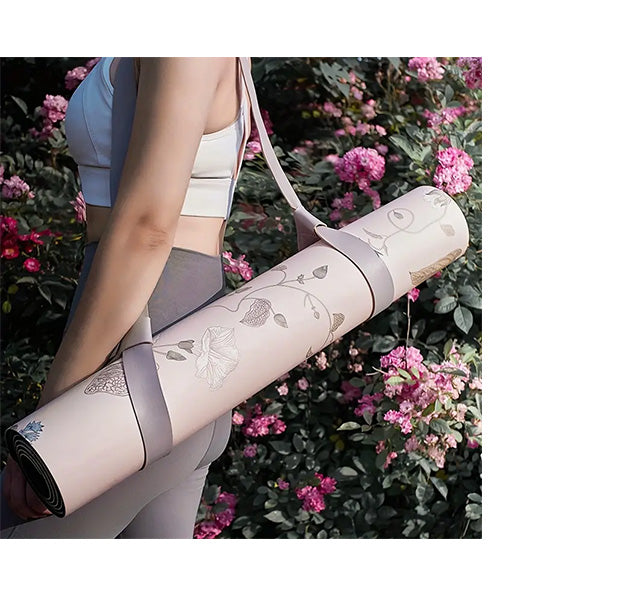
A yoga mat is a bridge between the practitioner and the earth. It bears the weight of the body, records the rhythm of the breath, and witnesses the growth of the mind. And the philosophy of "non-attachment" is reflected in our choice of mats—they don't have to be expensive, but they should be durable; they don't have to be fancy, but they should be practical; they don't have to follow trends, but they should fit oneself.

1. Durability: A Gentle Resistance against "Planned Obsolescence"
Many yoga mats on the market are designed as "disposable items": with fragile materials and poor anti-slip properties, they need to be replaced within a few months. The logic of "planned obsolescence" is essentially the manipulation of consumers' desires by merchants—stimulating purchases by constantly launching "new products" and making material things tools to fill inner emptiness. However, practitioners of "non-attachment" will choose a truly durable mat: natural rubber mats can last for years, and their anti-slip properties do not deteriorate with use; high-density PVC mats remain flat even after frequent practice. This choice is a transcendence of "instant gratification" and a rejection of "resource waste"—true spiritual practice starts with cherishing every item.
From a mental health perspective, the process of choosing a durable yoga mat is also a form of self-discipline and inner cultivation. When we resist the consumption temptations created by merchants and are not swayed by "new products" and "trends," we are actually exercising our willpower and self-control. This enhancement of self-control helps us maintain a clear mind and firm beliefs when facing other temptations and challenges in life, reducing the psychological burden and anxiety caused by impulsive consumption and blindly following trends.
2. Simplicity: Stripping Away the "Identity Symbols" for Pure Practice
Some yoga mats are labeled as "professional" and "high-end": with complex patterns, metal decorations, and even equipped with smart sensors. These designs may satisfy the need for "showing off" but will distract attention during practice—when you worry about the mat slipping in the "Downward-Facing Dog Pose" or are concerned about the symmetry of the pattern in the "Tree Pose," the purity of the practice is compromised. However, practitioners of "non-attachment" will choose a simple mat: with a solid color surface, no unnecessary decorations, and only retaining essential anti-slip textures and pose guide lines. This design allows practitioners to focus on breath and movements rather than external evaluations—the essence of a yoga mat is to assist in spiritual practice, not to become an "identity symbol."
In terms of mental health, a simple yoga mat helps create a peaceful and focused practice environment, reducing the impact of external distractions on the mind. When standing on a simple mat, we are not distracted by complicated decorations and functions and can more deeply feel our body and breath, entering a meditative state. This concentration and immersion help relax the body and mind, relieve tension, and enhance the sense of peace and satisfaction. At the same time, letting go of the pursuit of "identity symbols" also allows us to face ourselves more authentically and reduce the psychological pressure caused by vanity and a competitive mindset.
3. Environmental Friendliness: The Compassionate Heart of Coexisting with the Earth
Yoga philosophy emphasizes "non-harming" (Ahimsa), which not only pertains to attitudes towards others and oneself but also extends to environmental responsibility. Many traditional yoga mats are made of PVC, which is difficult to degrade and causes long-term pollution to the environment. In contrast, eco-friendly mats are made of natural rubber, cork, or organic cotton, which are biodegradable and reduce the burden on the earth. Choosing an eco-friendly mat is a practice of the "non-harming" principle—when we stand on the mat for practice, every inch of material under our feet should be consistent with our spiritual practice philosophy.
From a mental health perspective, choosing an eco-friendly yoga mat reflects a sense of responsibility towards the earth and the future. This sense of responsibility can enhance our self-worth and sense of meaning. When we realize that our actions have a positive impact on the environment, we feel a sense of inner satisfaction and pleasure, which helps improve mental health. At the same time, paying attention to environmental protection also makes us cherish natural resources more, cultivate a simple and natural lifestyle, and reduce the excessive pursuit of material things, thereby alleviating psychological burdens and stress.
III. Yoga Outfits: From "Confinement" to "Freedom" in Body Communication
The selection of yoga outfits is also a practice of "non-attachment." They don't have to pursue labels like "slimming" and "high-waisted" but should return to the most fundamental needs: allowing the body to breathe freely and the mind to focus on the present.

1. Stretchability: Breaking the "Invisible Shackles" of the Body
Many yoga outfits, in pursuit of a "slimming" effect, use tight fabrics or complex tailoring, which actually restrict the body's stretching. However, practitioners of "non-attachment" will choose outfits with high stretchability: such as blended fabrics containing spandex, which can stretch freely with movements and do not constrain muscles; seamless tailoring designs reduce friction and discomfort. This choice is a respect for the body's real needs—the function of yoga outfits is to assist in practice, not to create new constraints.
From a mental health perspective, wearing yoga outfits with high stretchability allows us to feel the freedom and comfort of the body during practice. This physical comfort is transmitted to the psychological level, making us more relaxed and confident. When we can stretch our bodies freely without being restricted by clothing, it is easier to enter a focused and engaged state and enjoy the benefits and fun of yoga practice. At the same time, respecting the body's real needs also teaches us to accept our bodies and reduce anxiety and inferiority caused by dissatisfaction with body image.
2. Comfort: The "Gentle Armor" of Accepting Imperfections
Some people choose dark yoga pants because they are worried about "looking fat," and some choose expensive brands in pursuit of a "sense of luxury," but they ignore the most important thing—comfort. A senior yoga enthusiast once shared, "I used to always wear black tight pants, thinking they could hide my body flaws. Later, I found that when I accepted my body's imperfections, light gray loose pants made me more focused on my movements." This change is exactly the embodiment of "non-attachment" in clothing selection—external perfection is illusory, and inner acceptance is true spiritual practice.
From a mental health perspective, accepting bodily imperfections is a crucial step in cultivating positive self-perception. When we cease fixating on physical flaws and prioritise comfort and practicality in clothing choices, we are effectively sending ourselves a positive message: regardless of appearance, I embrace my authentic self. This self-acceptance reduces self-denial and self-criticism, bolstering confidence and self-esteem to enhance mental wellbeing. Moreover, wearing comfortable yoga attire allows us to relax more fully during practice, minimising irritation and distraction caused by ill-fitting clothing, thereby enabling greater focus on the yoga practice itself.
IV. The Deep Integration of Yoga Philosophy and Equipment: A Closed Loop of Spiritual Practice from the Outside to the Inside
The theory of the "three gunas" (Sattva, Rajas, and Tamas) in yoga philosophy provides us with a deeper perspective for understanding equipment selection. "Sattva" represents purity, light, and balance, which is the ideal state pursued in yoga spiritual practice. "Rajas" symbolizes vitality, change, and desire, which can easily lead people into restlessness and attachment. "Tamas" means inertia, darkness, and ignorance, which makes people indulge in the comfort zone and stagnate.
When we choose yoga equipment, if dominated by "Rajas," we will blindly pursue novel, expensive, or trendy items, falling into a cycle of constant purchasing and making equipment tools to satisfy vanity. If influenced by "Tamas," we may choose cheap and inferior products, ignoring quality for the sake of saving money at the moment, and ultimately affecting the practice experience due to frequent replacements or discomfort. The wisdom of "non-attachment" guides us towards the path of "Sattva"—choosing equipment that truly suits us and can assist in spiritual practice with a peaceful mind, without being disturbed by external factors.
For example, a natural rubber yoga mat, with its eco-friendly and durable characteristics, conforms to the purity and balance of "Sattva"; its simple design without decorations prevents us from falling into the restlessness of "Rajas" caused by pursuing external recognition; and its stable support helps us overcome the inertia of "Tamas" and focus more on practice. Similarly, a yoga outfit with high stretchability and comfort allows us to maintain a light and free state of body and mind during practice, not being disturbed by material constraints, and thus better experiencing the state of "unity of body, mind, and spirit" in yoga philosophy.
From a mental health perspective, when our equipment selection conforms to the state of "Sattva," it creates a practice environment conducive to mental health. Pure and balanced equipment allows us to feel harmony and tranquility during practice, reducing the impact of external distractions on the mind. At the same time, this choice also reflects our positive attitude towards ourselves and life, helping to cultivate a healthy and positive mindset and enhance psychological resilience and adaptability.
V. Purchase as Spiritual Practice: Let Every Choice Be a Transmission of Light
When we infuse the philosophy of "non-attachment" into equipment selection, the act of purchasing is no longer a simple consumption but a "transmission of light":
- Choosing durable equipment is a transcendence of "instant gratification" and also a cherishing of earth's resources.
- Choosing simple designs is a letting go of "social recognition" and also a return to the inner essence.
- Choosing eco-friendly materials is a breakthrough of "self-centeredness" and also a practice of coexisting with all living beings.
As the Yoga Sutras state, "Yoga is the control of the modifications of the mind." When we stand on the yoga mat, we are not only controlling our bodies but also controlling our desires for material things. A mat and a yoga outfit may not directly bring "enlightenment," but they can serve as mirrors for spiritual practice—revealing our attachments to perfection and also reflecting every step we take towards freedom.
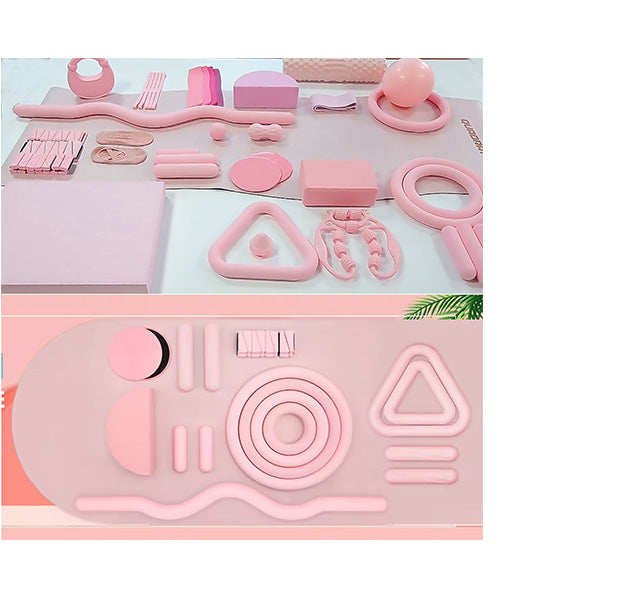
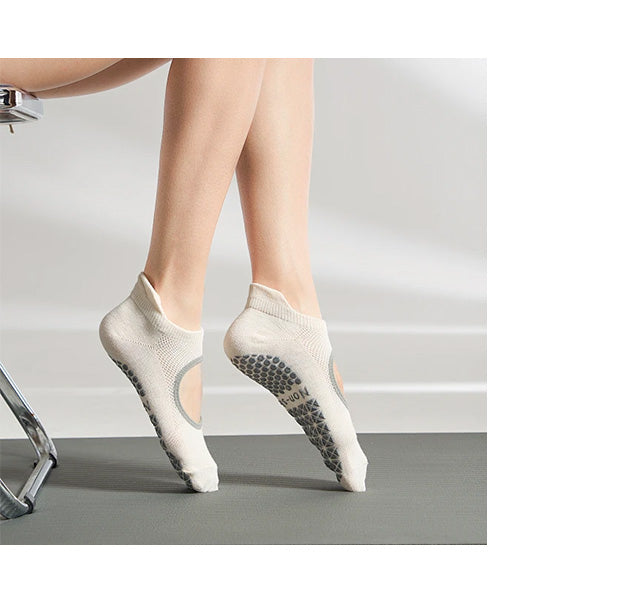
Next time you unroll your yoga mat, ask yourself: am I chasing the 'perfect kit', or selecting a 'true companion for my practice'? After all, quality yoga gear allows us to feel more comfortable and at ease during our sessions, enabling greater focus on each movement and breath. Seeking high-quality, well-suited yoga equipment? The answer lies in the depth of each breath, and in your choice of gear. MOWIN will be your most steadfast companion, offering a diverse range of yoga essentials to suit your needs—from professional mats to comfortable accessories—catering to every aspect of your yoga journey. The profound connection between yoga philosophy and mental wellbeing will continually nourish your spirit throughout this process, enabling you to progress further along your path of practice and achieve harmony and health for both body and mind.
