


When it comes to fitness accessories, many people wonder about the differences between a yoga mat and an exercise mat. Both are popular choices for workouts, but they serve distinct purposes. In this detailed comparison, we'll explore the key aspects of a yoga mat and an exercise mat to help you decide which one suits your needs. Whether you're a yoga enthusiast or a general fitness lover, understanding these mats can enhance your exercise routine.
In recent years, searches for “yoga mat vs exercise mat”, “best mat for home workouts”, and “what mat should I use for exercise” have increased significantly as more people train at home. Choosing the right mat can improve comfort, reduce injury risk, and make workouts more effective.
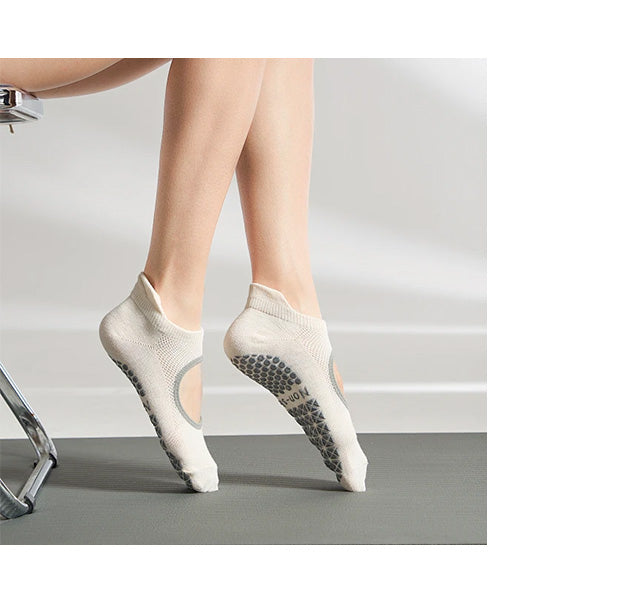
In addition to mats, another increasingly popular accessory in home fitness and yoga practice is yoga socks. Designed with anti-slip grips on the soles, yoga socks help improve stability on smooth surfaces, especially when practicing without a mat or during transitions between poses. They are particularly useful for people who practice in shared studios, travel frequently, or want extra hygiene and grip support during barefoot workouts.
Let's dive into the details, covering everything from materials to usage, and address common questions you might have.
What Is a Yoga Mat?
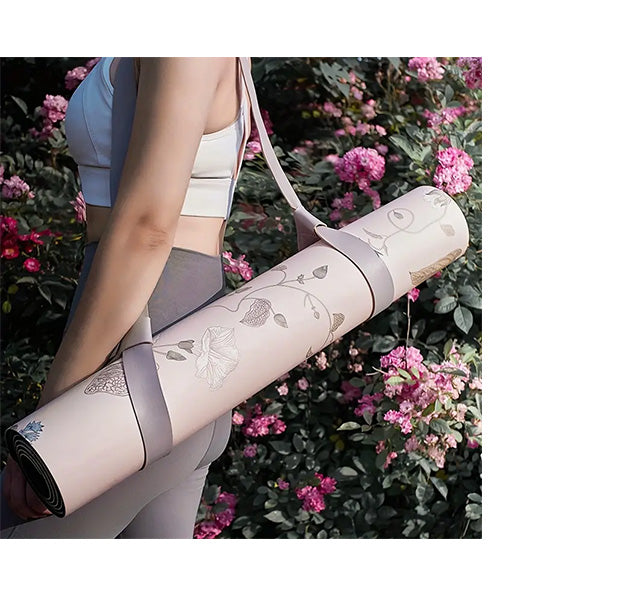
A yoga mat is specifically designed for yoga practices, offering excellent grip and cushioning to support various poses and stretches. Typically, a yoga mat is made from materials like PVC, TPE, or natural rubber, with a thickness ranging from 3mm to 5mm.
This thin profile helps maintain balance and stability, making it ideal for yoga sessions. Many users prefer a yoga mat for its portability and non-slip surface, which prevents injuries during dynamic movements.
If you're mainly into yoga, investing in a high-quality yoga mat is essential for a comfortable experience.
Yoga mats are widely used for yoga styles such as Hatha, Vinyasa, Ashtanga, and Yin yoga, where maintaining stability and grip is essential for poses like Downward Dog, Warrior Pose, and Tree Pose.
Because yoga focuses heavily on balance and alignment, the surface texture of a yoga mat is designed to improve traction—even when your hands or feet become sweaty during intense flows.
In this context, yoga socks can act as a complementary accessory to a yoga mat. When practicing barefoot is not ideal—such as in colder environments or on shared studio floors—yoga socks provide additional grip and warmth. They help prevent slipping while maintaining the natural barefoot feel that yoga encourages, making them a practical add-on for both beginners and experienced practitioners.

What Is an Exercise Mat?
An exercise mat, on the other hand, is a versatile option used for a wide range of activities, including Pilates, floor workouts, and general fitness routines. An exercise mat is often thicker than a yoga mat, usually between 6mm and 10mm, providing extra padding for high-impact exercises. Made from durable materials like foam or PVC, an exercise mat offers superior shock absorption, protecting your joints during activities like crunches or jumps.
If you engage in diverse workouts, an exercise mat might be the better choice for its adaptability and comfort.
Exercise mats are commonly used for home workouts, HIIT routines, core training, stretching sessions, and physical therapy exercises. Their thicker cushioning makes them especially helpful for protecting the knees, elbows, and spine during floor-based movements.
While exercise mats already provide comfort and protection, some users also pair them with yoga socks during dynamic workouts such as bodyweight training or light HIIT. The added grip from yoga socks helps maintain footing stability during transitions, especially on smoother mat surfaces, reducing the risk of slipping during fast-paced movements.

Key Differences Between a Yoga Mat and an Exercise Mat
To help you make the most suitable choice, we have prepared the following detailed comparison table, analyzing the two types of mats across multiple dimensions.
| Comparison Aspect | Yoga Mat | Exercise Mat |
| Primary Purpose | Designed specifically for low-impact activities focusing on balance and stability, like yoga, Pilates, and meditation. | Designed for general floor exercises like core training, crunches, planks, weight training (e.g., dumbbells), and HIIT. |
| Core Design Goal | To provide stability and superior grip, keeping hands and feet firmly planted to prevent slipping during poses. | To provide cushioning and joint protection, reducing impact on the spine, elbows, and knees during high-impact or repetitive movements. |
| Typical Thickness | Thinner: Usually between 3mm - 5mm. -- Travel mats can be as thin as 1.5mm. -- Restorative yoga mats may go up to 6mm. | Thicker: Usually between 6mm - 10mm, or even more. -- Primarily designed for comfort and shock absorption. |
| Common Materials | PVC (TPE): Durable, good grip. - Natural Rubber: Top-tier grip (dry & wet), eco-friendly, but heavier and has an odor. - Cork: Eco-friendly, moisture-absorbing. | NBR: Very thick, soft, inexpensive, but slow to rebound and has poorer grip. - PVC (TPE): Higher density, more durable. - XPE/Polyethylene Foam: Common, lightweight, good cushioning. |
| Grip / Non-slip Properties | Extremely High. This is the primary factor when choosing a yoga mat. The surface usually has texture or tackiness to ensure stability even when sweating. | Medium to Average. Focuses more on cushioning; the surface might be smoother. Often insufficient for dynamic yoga or Vinyasa flows. |
| Portability & Weight | Lighter, more portable. Due to materials and thickness, they roll up easily into a carry strap, convenient for taking to the studio. | Heavier, bulkier. Due to thickness and materials (like NBR), they roll into a larger cylinder, less portable, more suited for home use. |
| Durability | Varies by material. High-quality PVC and rubber mats are very durable. Thinner mats might wear out faster under frequent use. | Generally very durable, built to withstand frequent ab work and floor exercises. However, low-quality NBR mats might be prone to tearing. |
| Price Range | Wide range, from budget-friendly TPE mats to high-end professional rubber mats costing significantly more. | Often more affordable, especially thick NBR mats. High-end multi-purpose mats will also be priced higher. |
| Ease of Cleaning | Generally easy to wipe down with a damp cloth and mild cleaner. Natural materials (e.g., rubber, cork) require more specific care. | Similarly easy to clean. As the surface is often less porous, wiping down can be simpler. |
| Ideal User | Yoga practitioners (especially Ashtanga, Vinyasa), Pilates enthusiasts, users who prioritize pose stability and connection to the ground. | Home fitness enthusiasts, those doing core work or prone exercises, individuals with sensitive joints needing extra cushioning, physical therapy patients. |
Another factor increasingly influencing users’ choice is whether to use yoga socks during training. While mats provide the base support, yoga socks enhance traction directly at the feet, which is especially helpful for beginners who are still building balance or for users practicing on slippery studio floors.
As shown in the comparison above, the main difference between a yoga mat and an exercise mat lies in their design priorities:
-
Yoga mats prioritize grip, stability, and portability
-
Exercise mats prioritize cushioning, comfort, and shock absorption
Understanding these differences will help you select the best mat for your workout style.
Yoga Mat vs Exercise Mat: Which One Is Better for Your Workout?
Many beginners ask: “Which mat should I buy for working out at home?” The answer depends entirely on the type of exercise you perform most often.
If your workouts mainly involve yoga, balance training, or Pilates, a yoga mat is usually the better option because it provides the grip and stability required for poses.
If your workouts include core training, HIIT, stretching, or bodyweight exercises, an exercise mat may be more comfortable because of its extra cushioning.
Common Questions Answered
1、Do I need yoga socks for yoga or workouts?
Yoga socks are not mandatory, but they can significantly improve grip, hygiene, and comfort during practice. They are especially useful if you tend to slip on your yoga mat, practice in shared studio spaces, or prefer not to go completely barefoot. Unlike regular socks, yoga socks feature anti-slip silicone grips on the soles, helping maintain stability in standing poses like Tree Pose or Warrior Pose. For home workouts, they can also add light traction during stretching, barre workouts, or Pilates movements, making them a versatile complement to both yoga mats and exercise mats.
2、 Can I use a yoga mat for workouts, or an exercise mat for yoga?
· Using a Yoga Mat for Workouts: Suitable for low-impact strength training (e.g., dumbbell curls). However, for exercises involving kneeling (like Bird-Dog) or lots of jumping, a yoga mat may be too thin to protect your joints effectively.
· Using an Exercise Mat for Yoga: Not recommended, especially for dynamic yoga styles. Thick, soft exercise mats can compromise your balance, making you feel unstable in standing poses (like Tree Pose, Warrior poses). Their poorer grip can also lead to hands and feet slipping, increasing injury risk.
Conclusion: While a temporary substitute might work, for safety, comfort, and effectiveness, it's highly recommended to use the right mat for the right activity.
For example, yoga practitioners performing Vinyasa flows or hot yoga sessions rely heavily on grip, while people doing ab workouts or stretching routines may prioritize comfort and cushioning.
3、I'm a beginner. Which one should I choose?
This depends entirely on your primary activity.
· If your main activity is yoga, invest in a yoga mat. Starting with a mat around 4-5mm thick made from TPE or PVC is a good choice, offering sufficient cushioning and necessary grip to build a good foundation.
· If you mainly do general home workouts (involving lots of floor exercises) following apps, then an exercise mat will be the more comfortable option, protecting your joints and letting you focus on the movements.
Many beginners who follow home workout apps or YouTube fitness routines often prefer exercise mats because they offer greater comfort during planks, sit-ups, and stretching exercises.
4、Is there a mat that works well for both?
Yes. Some mats on the market are labeled as "All-in-One Training Mats" or "Premium TPE/PVC Mats". These often strike a good balance between thickness (5mm-6mm), grip, and cushioning. While they might not excel in any single area like a top-tier specialized mat, they are an excellent compromise for people practicing a variety of medium-to-low intensity activities.
These hybrid mats are increasingly popular among people who alternate between yoga sessions and home fitness workouts.
5、Do I need a yoga mat for working out?
The answer depends entirely on the type of workout you're doing.
- For yoga and Pilates: YES, absolutely. A yoga mat is essential. Its grip and stability are non-negotiable for performing poses safely and effectively. An exercise mat would be unstable and slippery.
- For general floor exercises (crunches, planks, stretching): You can use a yoga mat, and it will work fine. However, if you have sensitive joints (knees, spine, elbows), you might find a thicker exercise mat more comfortable.
- For high-impact exercises (jumping jacks, burpees) or weight training (dumbbells, kettlebells): A standard yoga mat is often NOT the best choice. It's too thin to protect your joints from impact and may not provide a stable enough base for heavy weights. A thicker exercise mat or a dedicated gym floor mat is highly recommended.
Choosing the right workout mat can significantly improve exercise safety, joint protection, and workout performance, especially during frequent home training.
6、What is the best mat for exercise?
"The best" mat is the one that best suits your specific exercises. Here’s a breakdown:
- Best for Yoga & Pilates: A Yoga Mat made from Natural Rubber or high-quality TPE/PVC. Prioritize grip and stability over thickness.
- Best for General Home Fitness (HIIT, Core, Bodyweight): A versatile Exercise Mat around 8-10mm thick made from NBR or XPE foam. This provides excellent cushioning for comfort and joint protection.
- Best for High-Impact & Heavy Weight Training: A dense, durable Exercise Mat often labeled as "Gym Flooring" or "Training Mat." These are often made from durable rubber or high-density foam and are much thicker (10mm+) to withstand drops and heavy use.
- Best All-Around Compromise: If you do a mix of yoga and medium-impact workouts, look for a "Hybrid" or "All-in-One" mat. These are typically 5mm to 6mm thick, made from durable TPE or PVC, and offer a balance of decent grip and moderate cushioning.
When selecting the best mat, you should also consider factors like durability, portability, grip texture, and cleaning convenience, especially if you plan to use the mat regularly.
7、What thickness of yoga mat is best for exercise?
- If you are using a yoga mat for its intended purpose (yoga), the best thickness is 4mm to 5mm for most users, providing a good blend of cushioning and stability.
- If you are asking about using a yoga mat for other forms of exercise, the answer changes. A standard yoga mat (3mm-5mm) is generally TOO THIN for most non-yoga exercises. The lack of cushioning can be harsh on your joints.
However, if you must use a yoga mat for light workouts, here is a thickness guide:
- Light Exercise/Stretching: A 5mm or 6mm thick yoga mat might be sufficient.
- Not Recommended: For any exercise involving kneeling, jumping, or lying on your back for core work, a yoga mat under 6mm is not advised. You will likely need the extra protection of a dedicated exercise mat (8mm+).
Don't try to find a "yoga mat" that's thick enough for general exercise. Instead, recognize that you need an "exercise mat" for those activities. They are designed differently for a reason.
For people with sensitive knees, back discomfort, or joint pain, choosing a thicker exercise mat can provide additional support and comfort during floor exercises.
Conclusion
In summary, the decision between a yoga mat and an exercise mat depends on your fitness goals. A yoga mat is tailored for yoga, offering optimal grip and thinness, while an exercise mat provides versatility and extra cushioning for general workouts. By considering factors like thickness, material, and intended use, you can select the right mat—whether it's a yoga mat or an exercise mat—to support your health journey. Remember, investing in the appropriate mat, be it a yoga mat or an exercise mat, can make your exercises safer and more enjoyable.
As home fitness continues to grow worldwide, choosing the right workout mat is one of the simplest ways to upgrade your training environment and stay consistent with your fitness routine.
Find Your Perfect Exercise Companion
Whether you end up with a professional yoga mat or a versatile fitness mat, a smart purchase starts with a quality product.
Mowin offers you a full range of options. Whether you're looking for the ultimate in slip resistance and stability for your yoga mat or extra cushioning for your gym mat, you'll find it at Mowin.
Explore our collection to discover durable yoga mats, comfortable exercise mats, and versatile workout mats designed for home fitness enthusiasts.