


In the booming wellness industry, Pilates has evolved from a niche exercise method into a global lifestyle phenomenon. As demand for high-quality Pilates equipment and accessories surges, sourcing the right products has become a critical task for retailers, studio owners, and e-commerce brands. However, the gap between a digital product rendering and the physical item you receive can be vast.
Approving a sample is the most crucial checkpoint in your supply chain. It is your final opportunity to catch errors before mass production begins. Whether you are sourcing reformers, mats, or resistance bands, a thorough sample inspection ensures that your brand reputation remains intact and your customers stay safe.
Here is a comprehensive checklist of what you must evaluate when approving a Pilates product sample.
1. Material Quality and Durability
Pilates equipment undergoes rigorous physical stress. Unlike static decor, these products are designed to support body weight, withstand repetitive stretching, and endure constant friction.
Fabric and Upholstery: For reformers and chairs, check the vinyl or leatherette. Is it thick enough to resist tearing? Does it have the right amount of grip to prevent slipping during exercises like the "Teaser" or "Plank"? Rub the material vigorously to see if it pills or fades.
Metal and Wood Components: If you are sourcing hard goods, inspect the grade of the wood (often beech or birch) and the finish of the metal frames. The wood should be smooth, splinter-free, and properly sealed. Metal parts should feel substantial, not flimsy, and show no signs of cheap plating that might chip off.
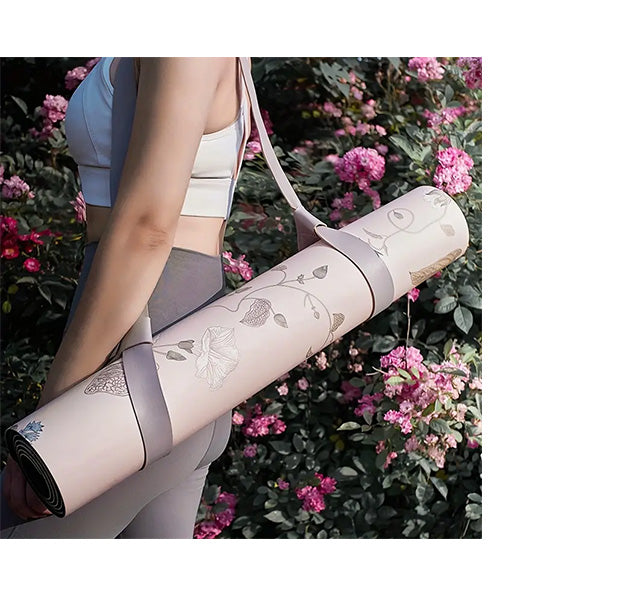
Foam Density: For mats and cushions, density is key. Press your thumb into the foam. Does it bounce back immediately, or does it stay compressed? High-density foam provides the necessary support for spinal alignment, whereas low-density foam will flatten out after a few uses.
2. Structural Integrity and Safety
Safety is non-negotiable in the fitness industry. A product failure during a workout can lead to serious injury and liability issues for your business.
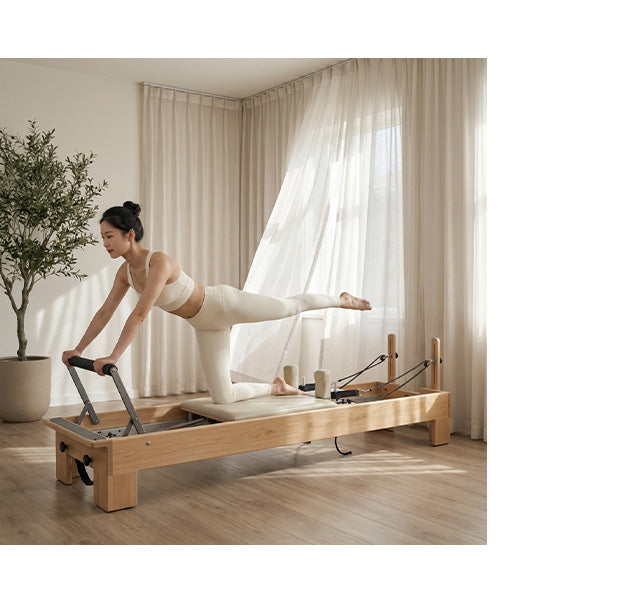
Weight Capacity: Verify if the sample meets the stated weight limit. If possible, perform a stress test that exceeds standard usage. For reformers, check the carriage movement—is it smooth and silent, or does it jerk and squeak?
Stability: Place the equipment on a flat surface. Does it wobble? For items like Cadillac towers or stability chairs, the base must be rock-solid. Any instability indicates poor engineering or manufacturing defects.
Spring and Cord Tension: For resistance-based equipment, test the springs and cords. They should offer consistent tension throughout the range of motion. Check the attachment points; these are high-stress areas that are prone to snapping if not reinforced correctly.
3. Dimensional Accuracy and Specifications
A sample might look perfect but fail if the dimensions are slightly off. In Pilates, precise measurements affect the biomechanics of the exercises.
Compare Against Tech Pack: Measure every length, width, and height against your technical specifications. A mat that is 2mm too thin or a reformer carriage that is 1cm too narrow can alter the user experience significantly.
Packaging Dimensions: Don't forget to measure the packaged sample. If the box is larger than expected, it could drastically increase your shipping and warehousing costs, eating into your profit margins.
4. Aesthetics and Finish
Your sample represents the "gold standard" for your brand. If the sample looks cheap, your customers will perceive your brand as low-end.
Color Consistency: Check the color under different lighting conditions (natural light vs. studio light). Ensure it matches your Pantone references.
Stitching and Assembly: Look closely at the stitching on mats and upholstery. Is it straight? Are there loose threads? For assembled units, check that screws and bolts are flush and hidden where appropriate.
Branding: If your logo is printed or embossed on the sample, ensure the placement is centered and the quality is sharp. A blurry logo can ruin the perceived value of a premium product.
5. Functionality and User Experience
Finally, you must step into the shoes of your customer. Use the product exactly as it is intended to be used.
Ease of Assembly: If the product requires assembly, time yourself. If it takes too long or the instructions are confusing, you will face a high volume of customer service complaints and returns.
Noise Level: Pilates is often practiced in quiet, focused environments. Equipment should operate silently. Squeaky springs or rattling frames are immediate red flags.
Comfort: Does the headrest provide adequate support? Are the handles comfortable to hold? Small ergonomic details often determine whether a customer becomes a repeat buyer.
Final Thoughts
Approving a Pilates product sample is not just about ticking boxes; it is about validating your brand promise. Never rush this process. If a sample fails any of the checks above, do not authorize mass production. Communicate clearly with your manufacturer, request a revised sample, and test again.
Remember, the cost of fixing a mistake after production is exponentially higher than the cost of delaying a launch to get the sample right. Take your time, be meticulous, and ensure that every product bearing your name is safe, durable, and worthy of your customers' trust.