

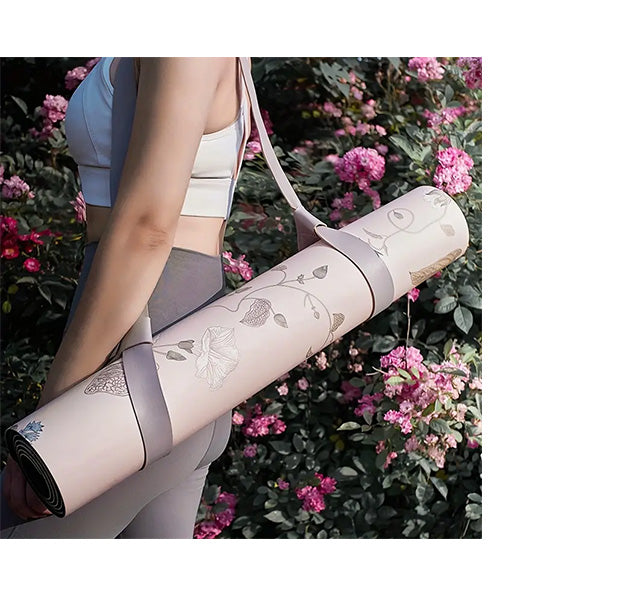

The yoga mat is an essential tool for practitioners of all levels, serving as a foundation for balance, comfort, and safety during practice. While design and material preferences vary, understanding standard yoga mat sizes is critical for optimizing performance. Among the most popular options are PU rubber yoga mats, prized for their eco-friendly properties, durability, and superior grip. This article explores the nuances of standard yoga mat dimensions, focusing on common sizes like 183×68 cm and 185×68 cm, as well as thickness variations such as 5mm and 4.5mm. By examining these specifications, yogis can make informed decisions tailored to their unique needs.
In addition to material and thickness, choosing the correct yoga mat size can improve posture alignment, enhance stability, and ensure that every pose—from downward dog to savasana—feels comfortable and secure.
The Importance of Standard Sizing
Standard yoga mat dimensions ensure compatibility with studio spaces, travel bags, and personal storage while accommodating most body types. The two most prevalent lengths—183 cm (6 feet) and 185 cm (6 feet 1 inch)—cater to practitioners of average height. The 68 cm (27-inch) width strikes a balance between providing ample space for poses and maintaining portability. For taller individuals, the 185 cm length offers extra room to stretch without compromising stability. Meanwhile, the narrower 68 cm width encourages proper alignment by keeping limbs within the mat’s boundaries, reducing the risk of slipping during transitions.
For most yoga studios around the world, these standard dimensions also make it easier to store multiple mats efficiently and maintain a consistent practice space.
Why the Standard Yoga Mat Length Matters
The standard yoga mat length, spanning 183 cm to 185 cm, isn’t arbitrary—it’s the result of decades of practice refinement.
This standard yoga mat length ensures that whether you’re performing sun salutations, lunges, or seated twists, your body stays fully supported on the mat.
What makes this standard yoga mat length so effective? It aligns with the average arm and leg span of most adults, allowing practitioners to extend fully without overreaching.
Even in dynamic flows, the standard yoga mat length keeps your hands and feet secure, making it a cornerstone of consistent practice.
For both beginners and experienced yogis, trusting the standard yoga mat length means focusing on breath control and posture alignment, rather than worrying about running out of space.
If you are taller than 185 cm (around 6'1"), consider choosing an extra-long yoga mat (190–200 cm) to maintain full body coverage during extended poses.
Why PU Rubber Yoga Mats Are So Popular
PU rubber mats in these sizes combine functionality with sustainability.
Unlike PVC mats, PU rubber is biodegradable and free of harmful chemicals, aligning with the eco-conscious values of many yogis.
Its open-cell surface structure enhances sweat absorption, ensuring a slip-resistant surface even during intense or heated practices.
The slight variations in length (183 vs. 185 cm) allow brands to cater to regional preferences while still adhering to global yoga mat standards.
Another advantage of PU rubber yoga mats is their excellent grip performance, which improves as moisture increases—making them particularly popular for hot yoga, power yoga, and high-sweat practices.

Thickness: Striking the Balance Between Comfort and Stability
Thickness plays a pivotal role in determining a mat’s performance.
A 5mm-thick PU rubber mat is ideal for practitioners prioritizing joint cushioning, particularly in styles like Yin Yoga or for those recovering from injuries. The extra padding protects knees, elbows, and the spine during floor-based poses.
However, thicker mats can slightly reduce ground feedback, which may challenge balance in standing postures.
Conversely, a 4.5mm thickness offers a middle ground. It provides sufficient cushioning for most Vinyasa or Hatha practices while maintaining a closer connection to the floor.
This marginally thinner profile enhances proprioception—the body’s ability to sense its position—making it easier to stabilize in poses like Tree Pose or Warrior III.
For frequent travelers, the reduced thickness also means lighter weight and easier rolling.
For many practitioners, a thickness between 4mm and 5mm is considered the most versatile choice, balancing comfort, stability, and portability.
Durability of PU Rubber Mats
PU rubber’s density ensures that even at 4.5mm thickness, the mat remains durable.
Unlike foam-based materials, which compress over time, PU rubber rebounds after each use, maintaining its structural integrity.
This resilience makes it a cost-effective long-term investment, even though the upfront price may be higher than synthetic alternatives.
With proper care, a high-quality PU rubber yoga mat can maintain its grip and structure for several years of regular practice.
Regional Variations and Customization
The difference between 183 cm and 185 cm lengths often reflects regional manufacturing standards.
Thickness Preferences by Practice Style
Thickness preferences often vary depending on the type of yoga practiced.
For example:
-
Hot yoga practitioners may prefer 5mm mats for extra cushioning and sweat absorption.
-
Ashtanga or power yoga practitioners may favor 4–4.5mm mats for better stability and agility.
Some brands even offer dual-density mats or reinforced zones around knees and elbows to combine comfort and support.
Understanding how yoga mat thickness and size work together can help you create a practice setup that supports both performance and long-term joint health.
Care and Longevity of PU Rubber Mats
To maximize the lifespan of a PU rubber mat, proper care is essential. Regular cleaning with mild soap and water prevents sweat buildup, which can degrade the material over time. Avoid direct sunlight during drying, as UV exposure may cause cracking. Storage-wise, rolling the mat with the top surface outward preserves its grip and prevents permanent creases.
Using a yoga mat towel during high-sweat sessions can also help protect the mat’s surface and extend its lifespan.
In conclusion, selecting the right PU rubber yoga mat involves balancing dimensions, thickness, and personal practice needs. Standard sizes like 183×68 cm and 185×68 cm accommodate most users, while 5mm and 4.5mm thicknesses cater to diverse preferences for cushioning and stability. By prioritizing eco-friendly materials and ergonomic design, yogis can enhance their practice while supporting sustainable consumption—a harmony that lies at the heart of yoga itself.
Ultimately, the best yoga mat is one that feels stable, comfortable, and supportive for your unique practice style, helping you focus on movement, breath, and mindfulness—the true essence of yoga.