

)
When most people think of core strength, they immediately picture a chiseled six-pack. But a strong core is about so much more than just aesthetics. Your core is your body’s powerhouse—it stabilizes your spine, improves your posture, prevents lower back pain, and powers every single movement you make, whether you're lifting weights or practicing a fluid yoga flow.
The best part? You don't need an expensive gym membership or bulky machines to build a resilient midsection.
In this comprehensive guide, we will break down the science of core strength training at home, outline the best bodyweight exercises, and give you a plug-and-play routine to start today.
Why Core Strength Matters (It’s Not Just About Abs)
Your core isn’t just your abdominal muscles ($rectus$ $abdominis$). It is a complex network of muscles that includes your obliques, deeper stabilizer muscles like the transverse abdominis, and even the muscles supporting your lower back and pelvis.
Investing 15–20 minutes a day into home core workouts offers massive benefits:
-
Reduces Lower Back Pain: A weak core forces your lower back to overcompensate. Strengthening your midsection takes the pressure off your spine.
-
Improves Posture & Balance: A strong core acts as a natural corset, helping you sit and stand taller with effortless alignment.
-
Enhances Functional Fitness: From carrying groceries to running or mastering advanced Pilates movements, a solid core makes daily life feel lighter.
5 Best Exercises for Core Strength Training at Home
You don't need equipment to get an effective workout. By using your own body weight and focusing on time under tension, you can challenge every layer of your core.
1. The Classic Forearm Plank
Target: Transverse abdominis, shoulders, and glutes.
-
How to do it: Lie face down, place your forearms on your mat, and push your body up. Keep your neck neutral and your body in a straight line from head to heels.
-
The Vibe: Don't let your hips sag. Engage your glutes and pull your belly button toward your spine.

2. Deadbugs
Target: Deep core stabilizers and coordination.
-
How to do it: Lie on your back with arms extended toward the ceiling and knees bent at 90 degrees. Slowly lower your right arm behind your head while extending your left leg straight out. Return to start and switch sides.
-
Why it works: This is the ultimate lower back-friendly exercise to build deep abdominal strength.
3. Bird-Dog
Target: Lower back ($erector$ $spinae$) and glutes.
-
How to do it: Start on all fours. Extend your right arm forward and left leg backward simultaneously. Hold for 2 seconds, return to center, and alternate.

4. Side Plank with Hip Dips
Target: Obliques (side abs) and lateral stability.
-
How to do it: Prop yourself up on your right forearm and the side of your right foot. Lower your hips slightly toward the mat, then squeeze your obliques to lift them back up.
5. Hollow Body Hold
Target: Full anterior core.
-
How to do it: Lie on your back. Lift your head, shoulders, and legs a few inches off the floor, pressing your lower back firmly into your mat. Hold this position.

Image Source:https://tinyurl.com/mr2z2asm
Your 15-Minute Home Core Routine
Ready to put it into practice? Run through this circuit 3 times, resting for 60 seconds between rounds.
Hold a solid forearm plank. Focus on deep, steady breathing and keeping your core tightly locked.
Move slowly and deliberately. The slower you go, the more your deep core stabilizer muscles have to fire.
Keep your hips square to the floor. Imagine balancing a cup of coffee on your lower back—don't let it spill.
Hold a static side plank or add gentle hip dips to target the obliques.
Finish strong. If your lower back starts to arch off the floor, lift your legs slightly higher to modify.
Hold a solid forearm plank. Focus on deep, steady breathing and keeping your core tightly locked.
Move slowly and deliberately. The slower you go, the more your deep core stabilizer muscles have to fire.
Keep your hips square to the floor. Imagine balancing a cup of coffee on your lower back—don't let it spill.
Hold a static side plank or add gentle hip dips to target the obliques.
Finish strong. If your lower back starts to arch off the floor, lift your legs slightly higher to modify.
How to Set Up Your Space for Success
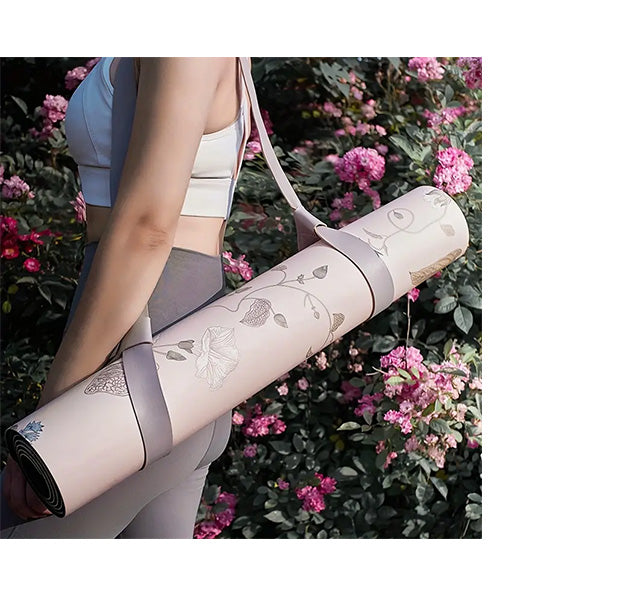
Creating a dedicated, peaceful space at home is the secret to staying consistent. You don't need a lot of room—just enough space to unroll a supportive, non-slip mat.
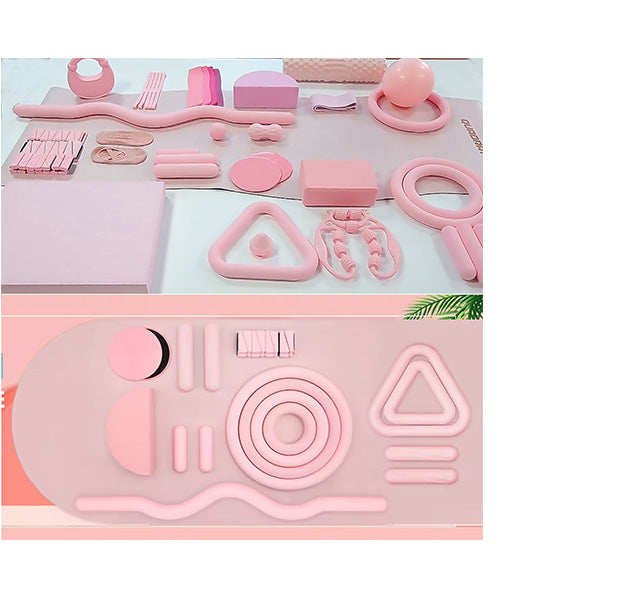
Pro-Tip: If you experience wrist discomfort during floor work or planks, try performing your exercises on a thicker, cushioned folding fitness mat or use a supportive block under your forearms to elevate your alignment and take the pressure off your joints.
Consistency beats intensity every single time. Start with 3 days a week, focus on clean form, and listen to your body.