

If you ask any long-time Pilates instructor why they stuck with the practice when other fitness fads came and went, they won't quote a textbook. They’ll tell you about the moment their lower back stopped aching after a 10-hour workday, or the day they noticed they were standing taller without forcing it.
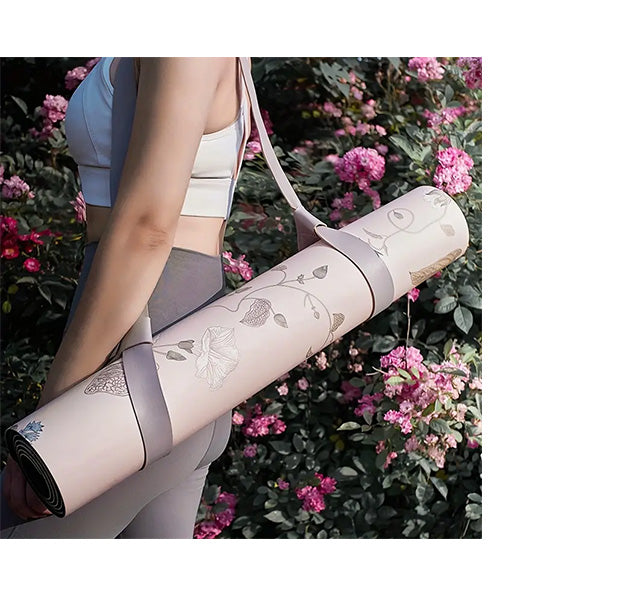
Created by Joseph Pilates over a century ago—originally termed "Contrology"—this system isn't about burning yourself out. It's about precision. Whether you are unrolling a simple Pilates mat in your living room or stepping onto a Pilates equipment setup in a studio, the core principles remain unchanged: intentional movement, breath, and structural control.
Key Pillars of a Sustainable Pilates Practice
| Focus Area | Pilates Mat Experience | Pilates Equipment (Reformer/Cadillac/Chair) | Everyday Life Impact |
| Core Stability | Relies entirely on your own body weight to engage deep stabilizers like the transverse abdominis. | Uses spring resistance to provide tactile feedback and progressive load without crushing joints. | Prevents lower back fatigue when sitting, lifting heavy bags, or driving long distances. |
| Functional Flexibility | Focuses on active dynamic stretches (e.g., Spine Twist, Saw) to lengthen tight hamstrings and hips. | The moving carriage and pulleys assist the body into deeper, safer range-of-motion stretches. | Keeps joints fluid, reducing the morning stiffness common with age or desk jobs. |
| Postural Alignment | Teaches spatial awareness (proprioception) by feeling how your spine grounds into the floor. | Adjusts strap tension and spring settings to instantly call out muscular imbalances. | Reverses "tech neck" and rounded shoulders from constant screen time. |
Core Strength Is More Than Just Six-Pack Abs
Most traditional gym workouts focus on global muscles—the ones you see in the mirror. Pilates flips the script by targeting the local stabilizers: the transverse abdominis, multifidus, and pelvic floor.
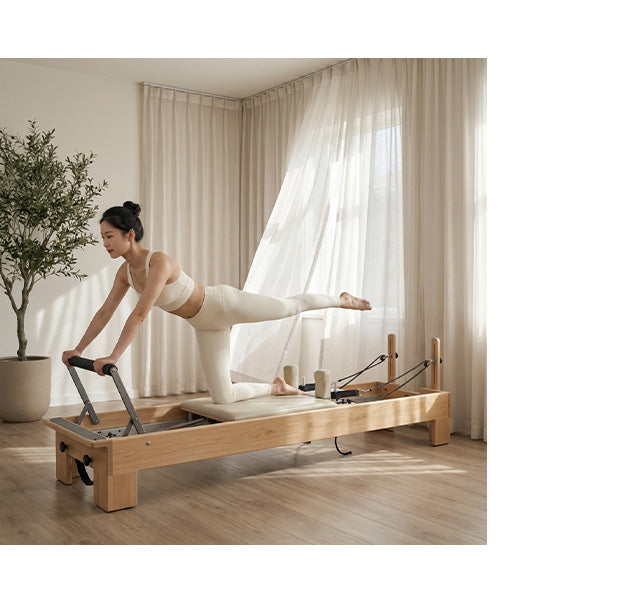
When performing classical mat work like The Hundred or Single Leg Stretch, you aren't just crunching. You are scooping the abdominal wall inward to protect the lumbar spine. Transitioning to equipment like the Reformer or Wunda Chair introduces variable spring tension. This forces smaller, neglected stabilizing muscles to fire, creating a solid "powerhouse" that acts as a natural corset for your torso.
Correcting "Tech Neck" and Postural Imbalance
Modern life pushes our bodies forward. We slump over keyboards, lean into smartphones, and sit in bucket seats. Over time, this leads to locked-short hip flexors and overstretched upper back muscles.
-
On the Mat: Movements like the Swan strengthen the posterior chain (the entire back side of your body), teaching the upper spine how to extend correctly without pinching the lower back.
-
On the Equipment: The Cadillac's spring tower and the Reformer's straps allow you to pull from angles that directly target upper-back weakness, retracting rounded shoulders and restoring neutral spine alignment.
Why Low-Impact Does Not Mean Low-Intensity
There is a common misconception that gentle exercises yield minor results. However, high-impact running or heavy weightlifting isn't always suitable for injured joints, prenatal mothers, or those recovering from burnout.
Pilates offers high-intensity muscular work with zero joint impact. By removing gravity's jarring forces—especially when lying down on a Reformer carriage—you can work muscles to eccentric failure without stressing your knees or hip sockets. It’s an adaptable, lifetime practice that builds lean, resilient muscle tissue rather than bulky mass.
The Nervous System Reset: A Moving Meditation
Beyond the physical toning, the most immediate benefit most practitioners report is mental clarity. Because Pilates demands hyper-focus on exact form—down to the angle of your pelvis and the timing of your exhale—there is simply no room in your brain to scroll through a mental to-do list.
Coordinating breath with movement stimulates the vagus nerve, helping shift your body out of a chronic "fight-or-flight" stress state into a parasympathetic "rest-and-digest" state. You leave the mat or machine feeling physically challenged, yet mentally grounded.
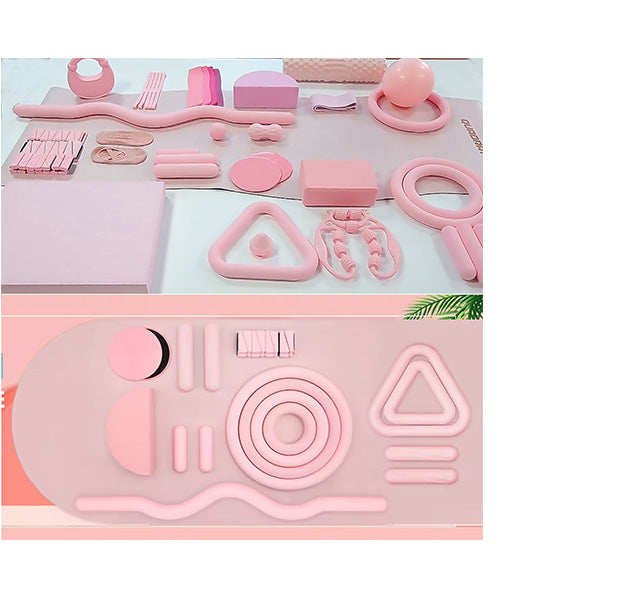
Whether you choose a $20 Pilates mat to start building a daily home routine or invest in studio classes using specialized Pilates equipment, the goal remains identical: building a body that moves with ease, strength, and balance for decades to come.
What aspect of your physical wellness are you looking to support right now—recovering from an injury, improving your posture, or adding a low-impact cross-training routine to your current workouts?