


When it comes to low-impact workouts that deliver high-impact results, two names consistently dominate the fitness world: Pilates and Yoga.
Whether you are looking to tone up, recover from an injury, or find a sanctuary away from daily stress, you’ve likely asked yourself: “Pilates vs Yoga: Which is better for me?”
While they might look similar from a distance—both often utilize a mat, focus on controlled movements, and emphasize the mind-body connection—they are fundamentally different practices with distinct origins, techniques, and benefits.
In this ultimate comparison guide, we will break down the science, the movements, and the benefits of both practices to help you decide which one deserves a permanent spot in your weekly routine.
1. The Core Origins: What is Pilates and What is Yoga?
To truly understand how these workouts affect your body, it helps to understand where they came from.
What is Yoga?
Originating in ancient India thousands of years ago, Yoga is a holistic lifestyle and spiritual discipline. The physical postures we see today (asanas) are just one of the eight limbs of classical yoga. Yoga designed to unite the individual consciousness with the universal consciousness through movement, breathwork (pranayama), and meditation.
What is Pilates?
Compared to Yoga, Pilates is a modern invention. Developed by Joseph Pilates in the early 20th century, it was originally called "Contrology." He created this system as a form of rehabilitation for injured dancers and soldiers during World War I. Pilates focuses heavily on anatomical alignment, precise muscular control, and strengthening what Joseph Pilates termed the "powerhouse"—your core.
2. Pilates vs Yoga: Head-to-Head Comparison
To help you get a quick bird's-eye view, here is a breakdown of how they compare across key categories:
| Feature | Yoga | Pilates |
| Primary Focus | Spiritual growth, flexibility, balance, and mental stillness. | Core strength, muscular endurance, and postural alignment. |
| Movement Style | Holding static poses or flowing smoothly from one pose to another. | Small, precise movements repeated in sets to target specific muscle groups. |
| Breathing Technique | Diaphragmatic breathing (often in and out through the nose) to calm the nervous system. | Lateral thoracic breathing (inhale through the nose, forcefully exhale through the mouth) to engage the core. |
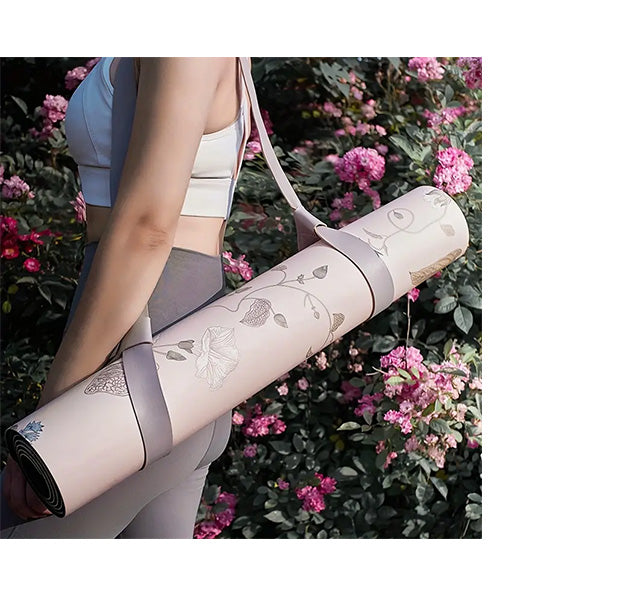
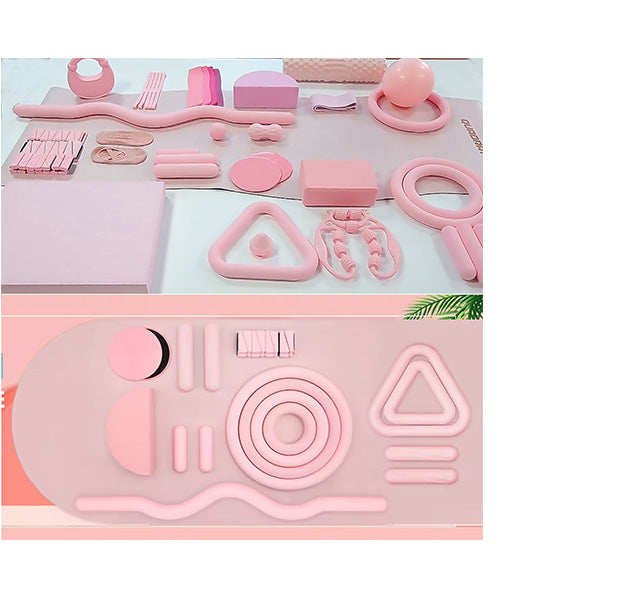
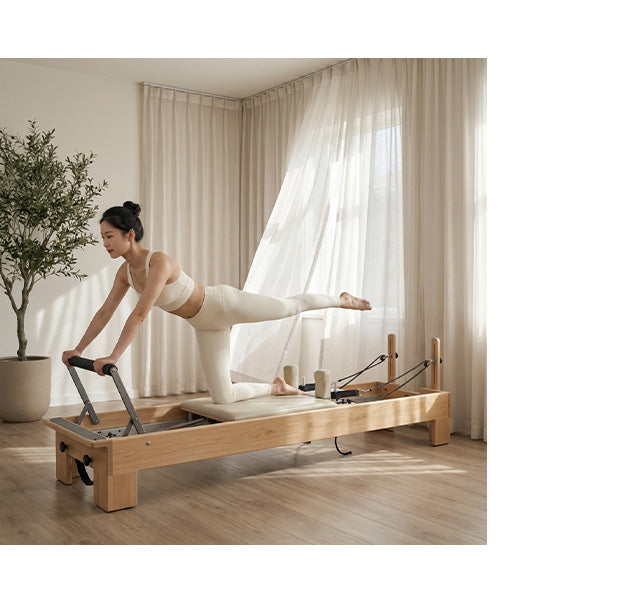
| Equipment Needed | Yoga mat, blocks, straps, and bolsters. | Mat (for Mat Pilates) or specialized machines like the Reformer, Tower, or Wunda Chair. |
3. Which is Better For Your Specific Fitness Goals?
The answer to "which is better" depends entirely on what you want to achieve. Let’s dive into the specific goals that most people search for.
1) Pilates vs Yoga for Back Pain & Posture
Winner: Pilates (with a close second for Yoga)
If you sit at a desk all day and suffer from chronic lower back pain, Pilates is generally the superior choice.
Pilates is designed around stabilizing the spine and strengthening the deep core muscles (the transversus abdominis, pelvic floor, and obliques). A stronger core acts like a natural corset, taking the pressure off your lumbar spine.
SEO Long-tail Note: While Yoga (especially gentle styles like Hatha or Iyengar) is excellent for stretching tight hip flexors and hamstrings that contribute to back pain, certain deep forward folds in yoga can aggravate lower back injuries if done incorrectly.
2) Pilates vs Yoga for Flexibility & Balance
Winner: Yoga
If your ultimate goal is to touch your toes, open tight hips, and improve joint mobility, Yoga wins hands down.
Yoga involves deep, prolonged stretching that targets not just the muscles, but also the connective tissues (fascia). Holding poses like the Downward Dog or Pigeon Pose allows your muscles to lengthen over time. Furthermore, standing balance poses (like Tree Pose or Warrior III) train your proprioception—your body's ability to sense its location and movements.
3) Pilates vs Yoga for Weight Loss & Toning
Winner: Tie (Depending on the Style)
Neither standard mat Pilates nor gentle Yin Yoga are massive calorie-burners compared to running or HIIT. However, they both aid weight loss by building lean muscle mass, which boosts your resting metabolic rate.
-
For Toning: Pilates is highly effective at creating that long, lean, sculpted look. It utilizes eccentric muscle contractions (lengthening a muscle while it’s under tension) to build strength without bulk.
-
For Calorie Burn: Fast-paced Vinyasa Flow, Power Yoga, or Hot Yoga can elevate your heart rate significantly, making them excellent choices for cardiovascular health and fat loss.
4) Pilates vs Yoga for Mental Health & Stress Relief
Winner: Yoga
While both exercises lower cortisol (stress hormone) levels through mindful movement, Yoga deeply incorporates meditation, spirituality, and relaxation techniques.
Classes almost always end with Savasana (Corpse Pose), a dedicated period of total stillness that triggers the parasympathetic nervous system (the "rest and digest" mode). If you want to quiet a racing mind and reduce anxiety, Yoga provides a dedicated mental sanctuary.
4. Understanding the Varieties: Choosing Your Style
Both practices have evolved into various sub-disciplines. Finding the right style is crucial to your success.
Popular Yoga Styles:
-
Vinyasa: Fast-paced, fluid classes where movements are synchronized with your breath.
-
Hatha: Slower classes focused on learning basic postures and alignment. Perfect for beginners.
-
Yin Yoga: A meditative style where floor poses are held for 3 to 5 minutes to target deep connective tissues.
Popular Pilates Styles:
-
Mat Pilates: Uses your own body weight and gravity on a floor mat. Often incorporates small props like resistance bands, magic circles, or weighted balls.
-
Reformer Pilates: Done on a specialized machine that utilizes a sliding carriage, springs, and pulleys to create adjustable resistance. It allows for a wider range of motion and highly targeted strength building.
5. Can You Do Both? (The Ultimate Synergy)
You don’t actually have to choose! In fact, Pilates and Yoga complement each other beautifully.
The core strength and structural stability you build in a Pilates class will make your advanced Yoga inversions and arm balances much safer and more stable. Conversely, the flexibility and mindfulness you gain from Yoga will improve your range of motion and focus during difficult Reformer Pilates sequences.
How to structure your week: Try doing Pilates twice a week for core conditioning and posture, and Yoga twice a week for flexibility and mental decompression.
Conclusion: The Verdict
So, Pilates vs Yoga: Which is better?
-
Choose Pilates if your primary goals are core strength, better posture, injury rehabilitation, and muscular definition.
-
Choose Yoga if you are looking to improve flexibility, reduce deep stress, build full-body mobility, and explore a spiritual or meditative practice.
The best workout is always the one you actually enjoy and stay consistent with. If you're still unsure, grab a mat and try a beginner's class for both—your body will quickly tell you what it needs!
FAQ
Q:Is Pilates harder than Yoga?
A:Generally, Pilates can feel more intense in terms of immediate muscle burnout because it involves repetitive movements targeting specific muscle groups until fatigue. However, advanced styles of Yoga (like Ashtanga or Power Yoga) require immense strength and can be just as challenging.
Q:Which is better for beginners?
A:Both are beginner-friendly if you choose the right class. For beginners, Hatha Yoga or a Beginner Mat Pilates class are the best starting points to learn foundational forms safely.
Q:Can I do Pilates or Yoga during pregnancy?
A:Yes! Both Prenatal Yoga and Prenatal Pilates are highly recommended for strengthening the pelvic floor and maintaining mobility. However, always consult your healthcare provider and inform your instructor before starting.