


If you’ve been searching for a low-impact, high-reward workout that builds core strength, improves posture, eases muscle tension, and boosts body awareness—all from the comfort of your home—beginner Pilates is the perfect fit. Unlike intense gym workouts that strain joints or leave you exhausted, Pilates focuses on controlled, intentional movements that strengthen deep stabilizer muscles, reshape your body gently, and enhance both physical and mental wellness. You don’t need expensive equipment, a large home gym space, or prior fitness experience to start. This at-home Pilates routine for beginners is designed specifically for newbies: slow, accessible, easy to follow, and effective enough to deliver visible results with consistent practice.
Many people avoid starting Pilates because they assume it requires professional training, reformer machines, or incredible flexibility. In reality, classical mat Pilates is the foundation of all Pilates practices and is completely doable at home with just a yoga mat and 20 to 30 minutes a day. For beginners, the goal is never to master perfect poses overnight or push your body to its limit. Instead, Pilates centers on the core principles of breath, concentration, control, precision, and flow—skills that transform not just your body, but how you move through daily life. Whether you’re a busy professional, a fitness newbie, or someone looking to switch up their monotonous workout routine, this beginner-friendly home Pilates routine will help you build sustainable fitness habits.
Why Choose At-Home Pilates for Beginners?
Before diving into the workout, it’s important to understand why Pilates stands out as one of the best beginner-friendly fitness practices. First and foremost, it’s low-impact and joint-friendly. Unlike running, HIIT, or weightlifting, Pilates movements are soft and controlled, making them ideal for people with joint pain, tight muscles, or those recovering from minor injuries. It’s also perfect for sedentary individuals who spend long hours sitting at desks, as it targets the weak core, tight hips, rounded shoulders, and stiff spine caused by a sedentary lifestyle.
Pre-Workout Prep for Beginner Home Pilates
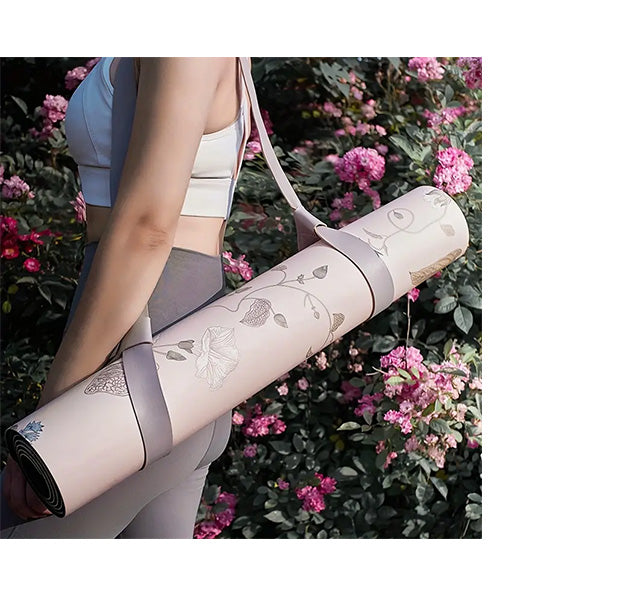
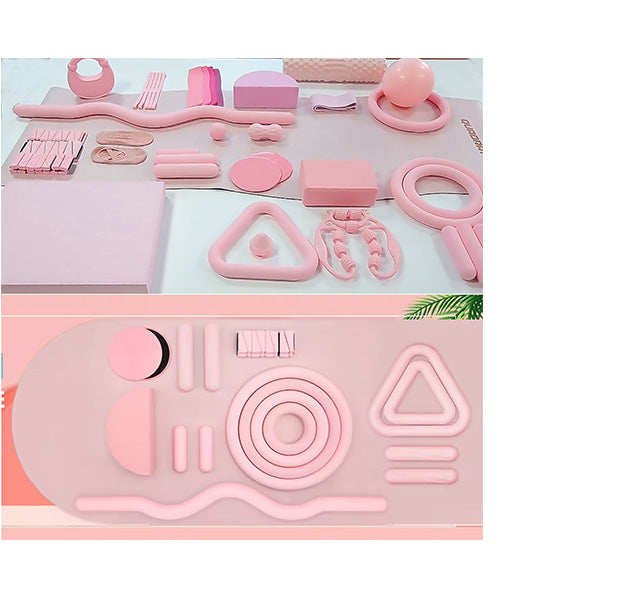
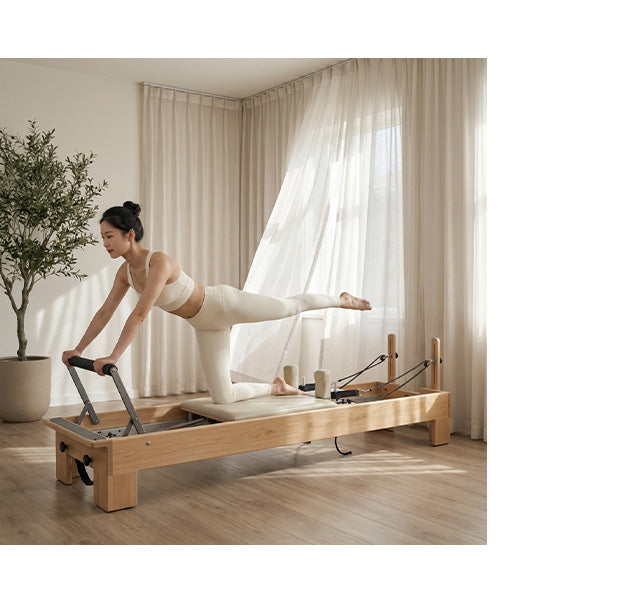
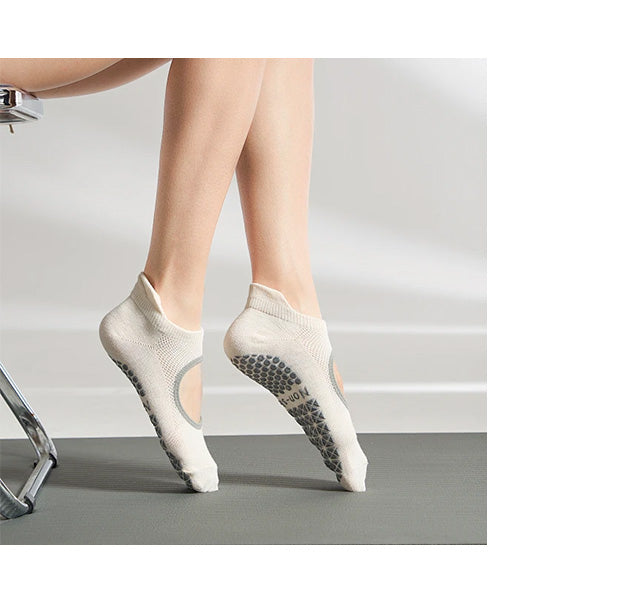
You only need a few simple items to get started: a non-slip yoga mat (thick enough to cushion your spine and joints), comfortable stretchy activewear, and a quiet space with enough room to lie down and stretch your limbs freely. No dumbbells, resistance bands, or specialized equipment are required for this foundational routine.
Before starting any movement, take 2 minutes to ground yourself. Stand or sit tall on your mat, close your eyes, and focus on your breathing. Pilates relies entirely on diaphragmatic breathing: inhale slowly through your nose to expand your ribcage, and exhale fully through your mouth to engage your core and pull your navel toward your spine. This breathing technique is the backbone of every Pilates movement and helps you avoid straining your neck or back while exercising. Remember: in Pilates, breath leads movement.
25-Minute Beginner At-Home Pilates Routine (Step-by-Step)
This full-body routine is tailored for beginners, starting with gentle warm-ups, moving to core and full-body strengthening exercises, and ending with soothing stretches. Every movement is slow and controlled—prioritize form over speed or repetition to avoid injury and maximize results.
1. Warm-Up: Cat-Cow Stretch (3 minutes)
Start on all fours in a tabletop position: wrists directly under shoulders, knees under hips, spine neutral. Inhale slowly, arch your back, lift your chest and tailbone, and drop your belly toward the mat (cow pose). Exhale gently, tuck your chin and tailbone, round your spine upward, and pull your belly button toward your spine (cat pose). Flow smoothly between these two poses, syncing every movement with your breath. This warm-up mobilizes your spine, releases upper back tension, and wakes up your core muscles, preparing your body for the following exercises. Complete 10–12 slow rounds.
2. Core Activation: Supine Breath & Pelvic Tilt (4 minutes)
Lie flat on your back on the mat, knees bent, feet flat on the floor, arms resting naturally by your sides. Relax your neck and shoulders, keep your lower back in a neutral position. Inhale to expand your ribs; exhale to gently tilt your pelvis upward, pressing your lower back flat into the mat, and engaging your abdominal muscles. Hold the contraction for 2 seconds, then release slowly back to neutral. This exercise teaches you to activate your deep transverse abdominis—the core muscle responsible for stability and good posture. For beginners, mastering pelvic tilts is critical before moving on to more advanced core work. Complete 15 slow repetitions.
3. Foundational Core: Hundreds Exercise (5 minutes)
The Hundreds is a classic beginner Pilates move that builds core endurance and improves breathing control. Lie on your back, bend your knees to 90 degrees, shins parallel to the ceiling. Lift your head and shoulder blades slightly off the mat, extend your arms straight down alongside your hips, palms facing the mat. Inhale for five short pumps of your arms, exhale for five short pumps. Keep your core tight the entire time, avoid straining your neck by keeping your gaze toward your knees. If lifting your head feels tiring, keep your head resting on the mat while maintaining core engagement. Complete 10 full breath cycles (100 pumps total).
4. Glute & Leg Strength: Pilates Bridge (4 minutes)
Bridges are perfect for beginners to lift and tone the glutes, strengthen the hamstrings, and stabilize the lower body without spinal strain. Lie on your back, knees bent, feet hip-width apart, arms by your sides. Inhale to prepare; exhale to press through your heels, lift your hips upward until your body forms a straight line from shoulders to knees. Squeeze your glutes tightly at the top for 3 seconds, then inhale to lower slowly and controlled back to the mat. Avoid overarching your lower back or pushing with your toes. This move counteracts sitting-induced hip tightness and builds lower body strength. Complete 12 repetitions.
5. Full-Body Stability: Side Plank Prep (4 minutes)
This modified side plank builds obliques, shoulder stability, and core balance, with zero harsh impact on the body. Lie on your right side, legs straight, stack your feet. Prop your upper body up on your right elbow, positioned directly under your shoulder. Engage your core and lift your hips slightly off the mat, keeping your body in a straight line from head to feet. Hold for 20 seconds, then rest for 10 seconds. Repeat 3 times on the right side, then switch to the left side. For absolute beginners, you can bend your bottom knee on the mat for extra support.
6. Cool Down & Stretch (5 minutes)
Never skip the Pilates cool down—it improves flexibility, reduces muscle soreness, and locks in the benefits of your workout. Start with a gentle child’s pose: kneel on the mat, sit back on your heels, stretch your arms forward, and rest your forehead on the mat, breathing deeply for 2 minutes. Next, do a gentle spinal twist: lie on your back, bring one knee across your body, hold for 30 seconds per side to release lower back tension. Finish with a shoulder and chest opener by stretching your arms back behind your body while seated, rounding and opening your chest gently. End with 1 minute of deep mindful breathing to center your body and mind.
Key Beginner Pilates Rules for Success
Many new practitioners make the mistake of rushing movements or overexerting themselves, which leads to frustration or muscle strain. First, prioritize form over repetitions. One perfectly controlled movement is far more effective than ten sloppy ones. Second, breathe consistently—never hold your breath during any exercise. Third, start slow and progress gradually. Practice this 25-minute routine 4–5 times per week, and after 3–4 weeks, you can add small repetitions or slightly advance the movements.
Additionally, listen to your body. Mild muscle fatigue is normal, but sharp pain means you need to pause and adjust your form or rest. Pilates is a lifelong practice, not a quick fix. Consistency beats intensity every single time.
Final Thoughts
Beginner at-home Pilates is one of the most accessible, sustainable, and rewarding workout routines for anyone looking to improve their physical health and mental well-being. It requires no fancy equipment, no professional skills, and minimal time, yet it delivers transformative results: a stronger core, better posture, flexible muscles, reduced stress, and increased body confidence. By committing to this simple, intentional routine, you’re not just working out—you’re building a healthier, more mindful lifestyle. Start small, stay consistent, and watch your body grow stronger, leaner, and more balanced week by week.