

When people hear the word "core," they often immediately think of six-pack abs. However, in the world of Pilates, the core—often referred to as the "Powerhouse"—is far more than just a visible midsection. It is the engine of the body, the center of all movement, and the key to lifelong physical stability.
If you are looking to transform your fitness, improve your posture, and build functional strength that protects your spine, understanding and training your Pilates core is the most effective way to start. In this comprehensive guide, we will dive deep into the anatomy of the core, the benefits of Pilates-based stability training, and the best exercises to help you achieve a rock-solid midsection.
1. What is the Pilates Core? Understanding the "Powerhouse"
Joseph Pilates, the founder of the Pilates method, famously called the core the "Powerhouse." He defined it as the area from the bottom of the ribs to the line across the hip joints. While traditional crunches focus on the superficial muscles, the Pilates core approach targets the deep, stabilizing muscles that support the skeleton.
The Anatomy of the Powerhouse
To truly master your core, you need to know what you are working. The Pilates core consists of four main muscle groups working in harmony:
-
Transverse Abdominis (TVA): The deepest abdominal layer that acts like a natural corset, wrapping around your spine and organs.
-
Pelvic Floor: A hidden group of muscles that support the pelvic organs and provide a base for core stability.
-
Multifidus: Small but powerful muscles along the spine that provide segmental stability.
-
The Diaphragm: The primary muscle for breathing, which creates intra-abdominal pressure to support the trunk.
2. The Science-Backed Benefits of a Strong Pilates Core
Why should you prioritize a Pilates core workout over a standard gym routine? The benefits extend far beyond aesthetics:
Improved Posture and Spinal Alignment
A weak core often leads to a "slumped" posture. By strengthening the deep stabilizers, you naturally stand taller and reduce the strain on your neck and shoulders.
Reduction in Lower Back Pain
Most lower back pain is caused by a lack of support for the lumbar spine. Pilates focuses on "bracing" the spine from the inside out, which takes the pressure off the vertebrae and discs.
Enhanced Athletic Performance
Whether you are a runner, a swimmer, or a weightlifter, every movement begins at the center. A stable Pilates core allows for more efficient power transfer to the limbs, making you faster and stronger in your chosen sport.
Better Balance and Coordination
Since the core is the center of gravity, a strong powerhouse ensures that you remain stable during dynamic movements, reducing the risk of falls and injuries as you age.
3. Core Principles of Pilates Movement
To get the most out of your Pilates core exercises, you must apply the six fundamental principles of the method:
-
Centering: Every exercise begins by pulling the navel toward the spine to engage the powerhouse.
-
Concentration: You must be fully present. Mindless repetition won't build deep core strength; mindful movement will.
-
Control: Every movement should be deliberate. Faster is not better; slower is often harder and more effective.
-
Precision: Alignment is everything. A small, perfect movement is better than a large, sloppy one.
-
Breath: Deep, lateral thoracic breathing helps engage the transverse abdominis while providing oxygen to the muscles.
-
Flow: Pilates is a dance of strength. One movement should lead gracefully into the next.
4. Top Pilates Core Exercises for Beginners to Advanced
Ready to feel the burn? Here are the most effective exercises to target your Pilates core at home or in the studio.
The Hundred (The Classic Warm-up)
The Hundred is the quintessential Pilates exercise. It builds heat and focuses the mind on the breath.
-
How to: Lie on your back, lift your legs to a tabletop position or 45-degree angle. Curl your head, neck, and shoulders off the mat. Pump your arms vigorously by your sides.
-
Breathing: Inhale for 5 pumps, exhale for 5 pumps. Repeat 10 times for a total of 100 pumps.
Single Leg Stretch
This exercise challenges your core's ability to stabilize the trunk while the limbs are moving.
-
How to: Hug one knee into your chest while the other leg extends straight out. Switch legs rhythmically while keeping your upper body lifted and your lower back pressed into the mat.
The Criss-Cross (Oblique Focus)
If you want to define your waistline, the Criss-Cross is the king of Pilates core movements.
-
How to: Similar to a bicycle crunch, but slower. Focus on bringing your armpit to your knee rather than just your elbow to ensure maximum oblique engagement.
The Teaser
Considered an advanced move, the Teaser is a test of balance, flexibility, and extreme core control.
-
How to: Lie flat, then simultaneously lift your legs and torso into a "V" shape. Reach for your toes and hold, then lower back down with control, one vertebra at a time.
5. Essential Equipment to Level Up Your Core Training
While mat Pilates is effective, adding specific props can increase resistance and help with alignment. If you are building a home studio, consider these essentials:
-
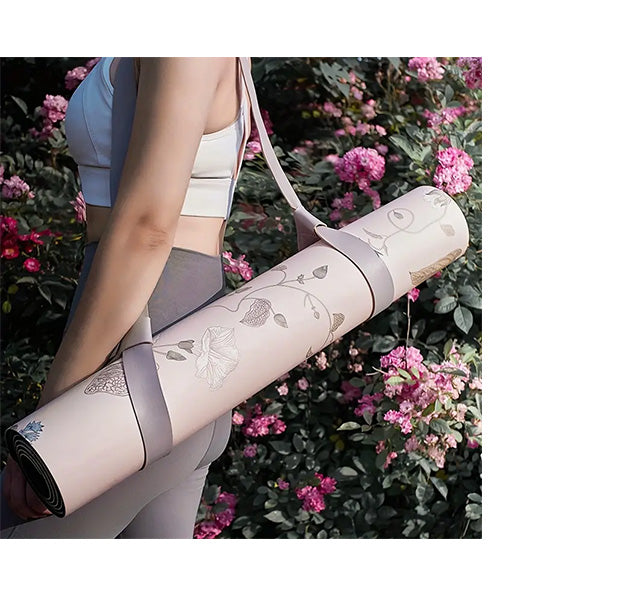
High-Density Pilates Mat: A natural rubber mat provides the cushioning needed to protect your spine during rolling exercises.
-
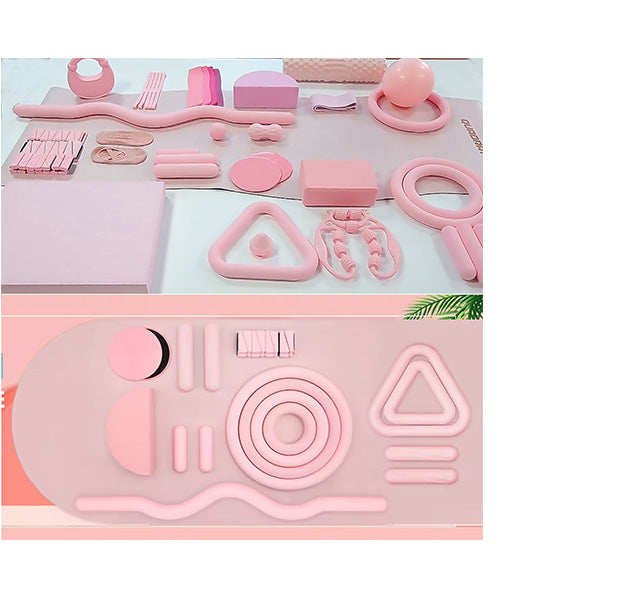
Pilates Ring (Magic Circle): Placing a ring between your inner thighs or hands during core work forces the powerhouse to work harder.
-
The Pilates Ball: Placing a small, soft ball under your tailbone or between your shoulder blades adds an element of instability that deepens muscle activation.

-
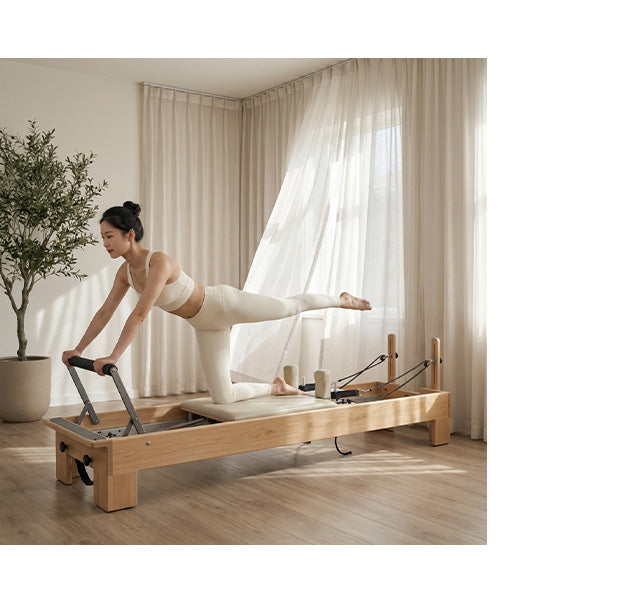
Resistance Bands: These are perfect for adding "pull" to your movements, mimicking the resistance of a Pilates Reformer.

Pro Tip: A complete Pilates kit (including a ball, ring, and bands) is a cost-effective way to bring the studio experience into your living room.


6. Common Mistakes That Kill Your Core Progress
Even the most dedicated students can hit a plateau if their form is off. Watch out for these common errors:
-
Arching the Back: If your lower back leaves the mat during leg extensions, your core isn't strong enough for that range of motion. Shorten the movement to protect your spine.
-
Griping the Neck: Many people use their neck muscles to lift their head. Instead, focus on "nodding" the chin and lifting from the base of the sternum.
-
Holding Your Breath: Breath is the fuel for the core. If you hold it, your muscles will tense up rather than engage deeply.
-
Rushing the Movement: Pilates is about time under tension. If you use momentum, you are cheating your muscles out of the work.
7. How to Create a Consistent Pilates Core Routine
Consistency is the key to seeing results. You don't need an hour every day; 15 to 20 minutes of focused Pilates core strength work 3–4 times a week is enough to transform your body.
| Day | Focus Area | Recommended Exercises |
| Monday | Fundamental Stability | The Hundred, Pelvic Tilts, Bird-Dog |
| Wednesday | Oblique & Waist Definition | Criss-Cross, Side Leg Series, Mermaid |
| Friday | Advanced Core & Power | The Teaser, Leg Pull Front, Plank variations |
| Weekend | Recovery | Gentle Stretching, Foam Rolling |
8. How Often Should You Train Your Pilates Core?
For most beginners, practicing Pilates core exercises 2–4 times per week is ideal.
Consistency matters more than intensity.
A balanced routine should include:
- Core strengthening
- Flexibility training
- Recovery days
- Proper hydration
Even short 20-minute Pilates sessions can deliver noticeable improvements over time.
9. Conclusion: Start Your Journey to a Stronger Center
Building a strong Pilates core is an investment in your long-term health. It’s not just about looking good in a swimsuit; it’s about moving with grace, living without pain, and feeling powerful in your own skin. Whether you are using a simple mat or a full array of Pilates equipment, the secret lies in the quality of your movement.
Remember, the "Powerhouse" is your center of strength. Feed it with consistency, focus, and the right technique, and your body will thank you for years to come.
Ready to elevate your practice?
If you're looking for high-quality gear to support your journey, explore our collection of professional Pilates kits, eco-friendly yoga mats, and specialized props designed to help you master the powerhouse.
Keywords: pilates core, pilates powerhouse, core stability, pilates core exercises, pilates for beginners, core strength benefits, pilates equipment for core, mat pilates workout.