

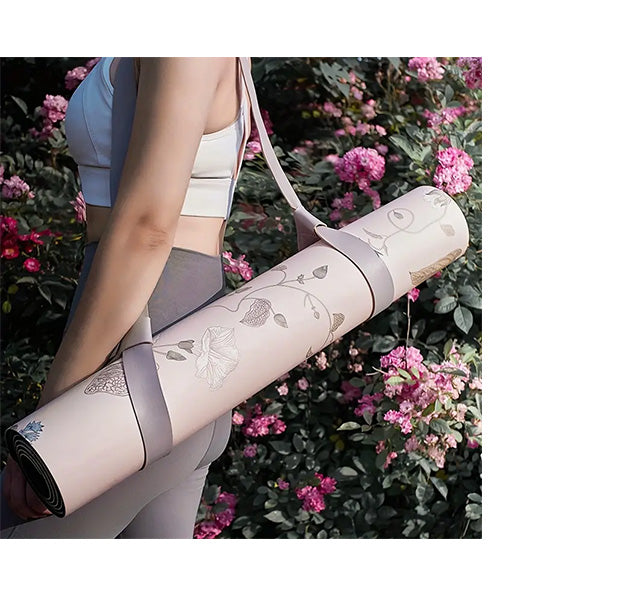

Choosing the perfect hot yoga mat comes down to one core factor: material selection. High-temperature and high-humidity sessions demand specific material properties to directly determine your exercise experience, comfort, and safety.
Different raw materials offer entirely different performance levels in sweat absorption, anti-slip traction, heat resistance, and environmental friendliness. To help you avoid slipping and sliding, we break down the four most mainstream and practical hot yoga mat materials below.
1. Natural Tree Rubber + Soft Fabric Surface (Best Overall Performance)
The combination of a natural tree rubber base with a skin-friendly soft surface fabric stands out as the premium choice for intense, sweaty environments.
-
Strong Floor Grip: The bottom rubber layer features exceptional ground-gripping power. It firmly attaches to wooden studio floors and will not slide or shift during dynamic transitions, effectively avoiding slipping risks.
-
Instant Sweat Absorption: The upper layer is designed with a fine-textured fabric structure that acts like a high-performance hot yoga towel, quickly absorbing sweat from your arms, back, and legs.
-
Heat Resistance & Cushioning: It maintains its soft and elastic touch under long-term high-temperature baking without releasing peculiar odors or deforming, providing proper buffer support for knees, elbows, and the spine.
2. High-Density Microfiber (Best for Travel & Hygiene)
For yogis who frequently commute to studios, high-density microfiber material is a wonderful, lightweight, and ultra-thin choice.
-
Sweat-Activated Grip: The surface adopts professional non-slip fine grain technology. It forms stable friction with wet skin, meaning the sweatier you get, the better the grip.
-
Quick-Drying & Anti-Bacterial: Its standout advantage is super-fast drying. Simply wipe off surface sweat post-workout, and it dries rapidly, effectively inhibiting the growth of bacteria and mold caused by sweat accumulation.
-
Skin-Friendly Comfort: It is soft and smooth to the touch, ensuring zero harsh texture irritation when lying flat for Savasana or meditation in a hot room.
3. High-Elastic Eco-Foam (Best for Beginners & Budget)
Environmentally friendly, high-elastic foam material is highly favored by beginner hot yoga practitioners looking for cost-effective options.
-
Excellent Shock Absorption: It offers moderate softness and hardness, providing great cushioning to reduce soreness in joints and muscles during kneeling or prone fixed postures.
-
Breathable Design: The surface is treated with breathable micro-holes that enhance internal air circulation, accelerating heat dissipation and sweat volatilization to avoid a stuffy feeling.
-
Safe & Odor-Free: It is free of pungent chemical odors, safe for sensitive skin, and offers high cost-performance for those just starting their hot yoga journey.
4. Linen Blended Natural Fabric (Best for Eco-Conscious & Durability)
Linen-blended natural fabric is a premium, sustainable option suitable for long-term, daily hot yoga practice.
-
Natural Breathability: It inherits the natural breathability of linen, discharging excess heat to keep the mat surface fresh and cool under high temperatures.
-
Durable & Wear-Resistant: The fabric texture is incredibly firm, preventing wear and tear after long-term repeated stretching and pressing.
-
Anti-Odor Properties: Linen possesses natural anti-bacterial and deodorant effects, helping to eliminate stubborn sweat odors and maintain a fresh practice space.
Quick Comparison: Which Hot Yoga Mat Material is Right for You?
| Mat Material | Key Benefit | Best For | Grip Level (When Wet) |
| Natural Rubber + Fabric | Ultimate grip & premium cushion | Advanced practitioners & daily use | ⭐⭐⭐⭐⭐ |
| High-Density Microfiber | Lightweight & quick-drying | Commuters & travel | ⭐⭐⭐⭐ |
| High-Elastic Eco-Foam | High cushioning & budget-friendly | Beginners | ⭐⭐⭐ |
| Linen Blended Fabric | Durable, breathable & eco-friendly | Eco-conscious yogis | ⭐⭐⭐⭐ |
Summary: What to Look for in a Hot Yoga Mat
To sum up, when searching for the ideal material for hot yoga mats, you must prioritize anti-slip performance, sweat absorption speed, heat resistance, and joint comfort. Avoid smooth, impermeable materials (like cheap, standard PVC) that become dangerously slick when wet. By selecting a matching material based on your practice frequency and sweat levels, you can ensure every high-temperature session is safe, comfortable, and pleasant.