


Pilates has grown far beyond a niche fitness trend to become a globally trusted method for building strength, flexibility, posture, and body awareness. Whether you’re a complete beginner, a regular studio goer, or building a home practice, one question remains central: how do you choose Pilates equipment that truly fits your body, goals, space, and budget? With so many options — from basic mats to full reformers and specialized apparatus — it’s easy to feel overwhelmed. This guide breaks down everything you need to know to make a confident, practical choice.
Start With Your Goals and Fitness Level
Your fitness objectives should be the first filter for any Pilates equipment.
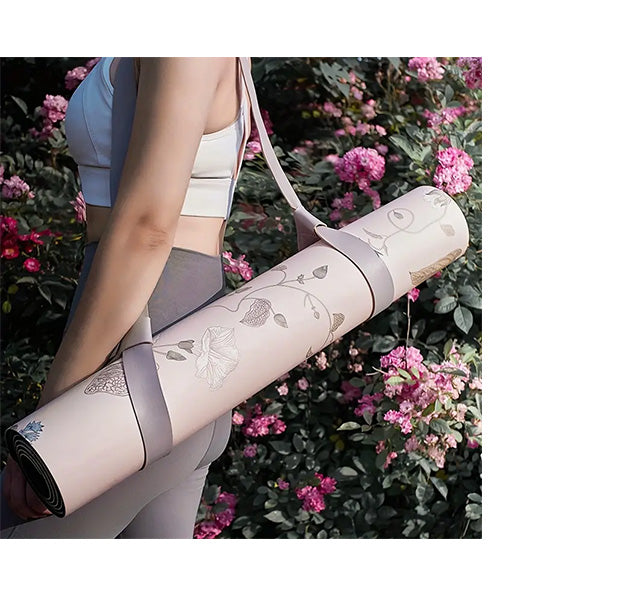
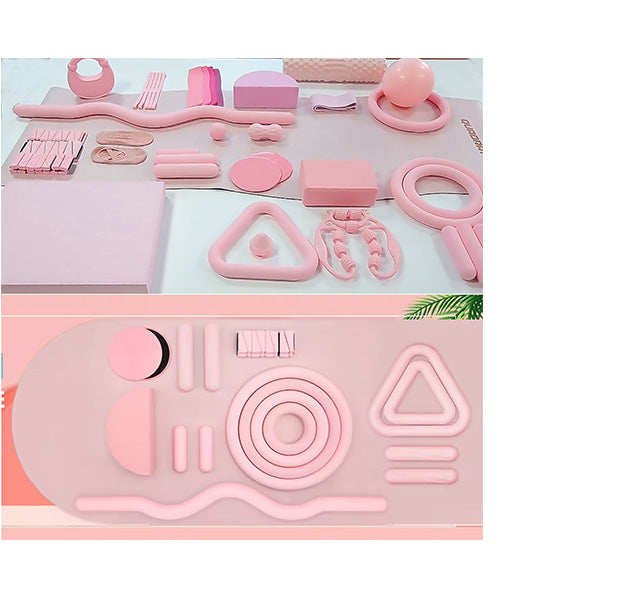
- Beginners / Posture & Core Focus: Start with foundational, low-cost tools. A high-density Pilates mat, resistance bands, and a magic circle build body awareness without overwhelming you. These items teach proper alignment and core engagement before you invest in larger machines.
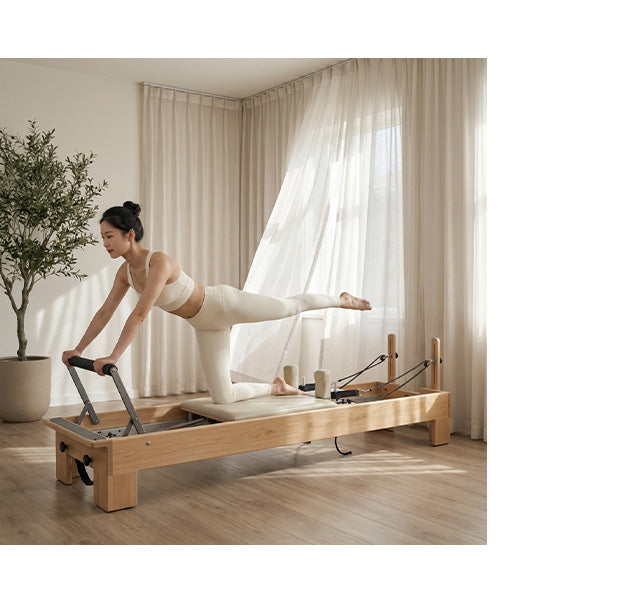
- Intermediate / Strength & Toning: If you want deeper challenge and variety, a reformer is the most versatile choice. It supports controlled movement with spring resistance, ideal for full-body conditioning.
- Advanced / Athletic Performance: Add a Wunda Chair, Cadillac, or spine corrector to target stability, mobility, and sport-specific strength. These pieces support complex, dynamic movements for experienced users.
- Rehabilitation / Pain Relief: Prioritize gentle, supportive equipment like reformers with adjustable resistance, spine correctors, and small stability balls. Always consult a certified instructor or therapist for therapeutic use.
Matching equipment to your level prevents injury, keeps workouts enjoyable, and ensures steady progress. This is crucial for both short-term safety and long-term fitness achievements.
Measure Your Space Realistically
Space is often the deciding factor for home Pilates setups. Be honest about the room you can dedicate.
- Limited Space (apartments, small rooms): Stick to portable props: mat, magic circle, bands, small ball, foam roller. For a machine upgrade, choose a foldable reformer or compact Wunda Chair.
- Medium Space: A standard home reformer works well. Leave clearance around all sides for safe movement.
- Dedicated Studio / Gym: You can invest in full-size apparatus: reformer, Cadillac, ladder barrel, and multiple chairs for a complete Pilates studio experience.
Never buy equipment before measuring your space. A machine that doesn’t fit will become unused and stressful, wasting both money and valuable living area.
Set a Realistic Budget
Pilates equipment ranges from under $50 to several thousand dollars. Think long-term value, not just upfront cost.
- Budget-Friendly Starter Kit: Mat + magic circle + resistance bands. Under $100, perfect for testing Pilates before committing.
- Mid-Range Home Practice: Foldable or compact home reformer. Balances quality and affordability for regular users.
- Premium / Commercial Grade: Studio-quality reformers and full apparatus. Built for durability, smooth movement, and frequent use.
Remember to include extra costs: delivery, assembly, floor protection, and accessories like padded straps or jump boards. These often-overlooked expenses can significantly impact your overall budget.
Key Features to Inspect Before Buying
When comparing machines, focus on safety, comfort, and durability:
- Stable Frame: Wobbling or shaking during use risks injury and poor form.
- Smooth Glide / Resistance: Reformers should move silently and evenly. Springs should offer consistent, adjustable tension.
- Adjustability: Footbars, headrests, and carriage positions should adapt to different heights and body types.
- Comfort & Materials: Padded surfaces, non-slip grips, and quality upholstery support longer, safer workouts.
- Weight Capacity: Choose equipment rated for your body weight to ensure stability.
These features separate long-lasting, professional gear from flimsy, short-term products. Investing in high-quality equipment can save you money in the long run by reducing the need for frequent replacements.
Match Equipment to Your Body Type
One size does not fit all in Pilates.
- Taller Users: Look for reformers with extended tracks and wider carriages for full range of motion.
- Smaller / Petite Users: Compact, lightweight machines with easier adjustments are more comfortable.
- Joint Sensitivity: Soft padding, gentle resistance, and supportive design reduce pressure on knees, wrists, and spine.
The best equipment feels like an extension of your body, not a restriction. Properly fitting equipment enhances your workout experience and reduces the risk of discomfort or injury.
Final Tips for Smart Shopping
- Test Before You Buy: Attend a studio class to try different apparatus.
- Read Reviews: Look for consistent feedback on durability, noise, and ease of use.
- Buy from Trusted Brands: Reliable manufacturers offer warranties and customer support.
- Start Small: Begin with props, then upgrade as your practice grows.
Conclusion
Choosing Pilates equipment isn’t about buying the most expensive or popular option — it’s about finding what works for you. By aligning your gear with your goals, space, budget, and body, you create a sustainable, enjoyable practice that supports your wellness for years. Whether you start with a simple mat or invest in a full reformer, the right equipment turns every session into effective, mindful movement.
Take time to choose wisely, and your body will thank you with better strength, posture, and confidence. Making an informed decision about Pilates equipment is an investment in your health and fitness journey, so don't rush the process.