


Yoga mats have become an essential companion for yoga enthusiasts, providing cushioning, stability, and hygiene during practice. However, a common question that lingers in every yogi's mind is, “How long do yoga mats last?”
The truth is that the average yoga mat lifespan can vary widely depending on several practical factors. Some mats may last only a year, while high-quality options can remain in good condition for several years.
The answer is not one-size-fits-all—it depends on several practical factors that directly impact durability and performance over time.The lifespan of a yoga mat is influenced by a multitude of factors, ranging from the material composition to usage frequency and maintenance practices. Understanding these elements can help you make informed decisions about your yoga mat purchase and ensure its longevity.
Yoga Mat Lifespan: What Determines How Long a Yoga Mat Lasts?
Several key factors influence how long a yoga mat lasts, including:
-
The material of the mat
-
How often you practice yoga
-
Your maintenance routine
-
The type of yoga you practice
Understanding these elements can help extend your yoga mat durability and improve your overall practice experience.
One popular option to consider is the foam mat. Foam mats, often made from closed-cell or open-cell foam materials, offer a unique balance of cushioning and portability. Closed-cell foam mats, like those used in travel-friendly designs, are lightweight and resistant to moisture absorption, making them ideal for yogis on the go. Open-cell foam mats, on the other hand, provide superior grip and cushioning but may require more frequent cleaning due to their tendency to absorb sweat and odors.
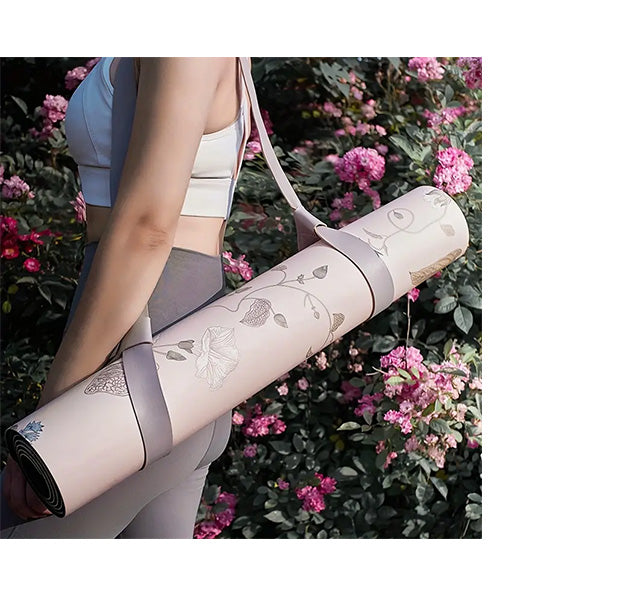
One of the primary determinants of a yoga mat's lifespan is its material. Different materials exhibit varying levels of durability and wear resistance. Many experienced yogis believe that natural rubber yoga mats are among the longest-lasting yoga mats available For instance, natural rubber mats are known for their excellent grip and eco - friendliness. They are highly resilient and can withstand frequent use, typically lasting between 2 to 5 years with proper care. The natural rubber provides a dense and sturdy surface that resists tearing and degradation over time. However, they are more prone to absorbing moisture and odors, which can affect their performance and lifespan if not properly maintained.Regular deep cleaning and thorough drying are especially important for natural rubber mats to prevent premature breakdown.

On the other hand, PVC (polyvinyl chloride) mats are a popular and affordable option. They are lightweight and easy to clean.However, PVC mats are often less durable compared to natural rubber mats.Typically, PVC yoga mats last around 1 to 2 years, especially when used frequently.They may start to show signs of wear, such as surface cracking and loss of cushioning, within 1 to 2 years, especially with regular use. Additionally, PVC is not an environmentally friendly material, and concerns about the release of harmful chemicals during production and use have led many yogis to seek alternative options.While PVC mats can be suitable for beginners or short-term use, they may not be the best long-term investment for serious practitioners.
TPE (thermoplastic elastomer) mats offer a middle ground.Many people searching “how long do TPE yoga mats last” will find that they usually last around 2 to 3 years, depending on usage. TPE is a more eco - friendly alternative to PVC, and these mats are known for their good balance of durability and comfort. TPE mats can typically last around 2 to 3 years, depending on usage. They are resistant to stretching and have a decent grip, making them suitable for various types of yoga practices.Their lightweight design also makes them ideal for yogis who frequently travel or commute to classes.

Foam mats, particularly those made from high-density foam, can also be a durable choice. A well-maintained foam mat may last between 3 to 4 years, depending on usage intensity and maintenance habits. High-density foam mats are less likely to tear or compress over time compared to lower-quality alternatives, making them a cost-effective option for long-term use. However, like natural rubber mats, foam mats may require regular cleaning to prevent odor buildup, especially if used in hot yoga or high-sweat practices.
How Practice Frequency Affects Yoga Mat Lifespan
Usage frequency plays a crucial role in determining how long a yoga mat will last. If you practice yoga daily or multiple times a week, your mat will experience more wear and tear compared to someone who practices occasionally. For example, a daily practitioner who engages in intense vinyasa yoga, which involves a lot of movement and friction on the mat, may notice a significant decrease in the mat's cushioning and grip within a year. In contrast, a beginner who practices yoga only once or twice a week may find that their mat remains in good condition for several years.This is why understanding how often you should replace a yoga mat is important for maintaining comfort and safety during practice. Tracking how often and how intensely you practice can help you anticipate when it might be time for a replacement.
Maintenance Tips to Make Your Yoga Mat Last Longer
Maintenance practices also have a profound impact on the lifespan of a yoga mat. Regular cleaning is essential to remove sweat, dirt, and bacteria that can accumulate on the mat's surface. Using a mild, non - abrasive cleaner specifically designed for yoga mats and wiping it down after each use can prevent the growth of mold and mildew, which can deteriorate the material. Avoid using harsh chemicals or abrasive scrubbers, as they can damage the mat's surface and reduce its lifespan.Following these simple steps can significantly extend your yoga mat lifespan. Establishing a simple post-practice cleaning routine can significantly extend the usability of your mat.
For foam mats, proper maintenance is especially crucial. To maintain a foam mat, avoid exposing it to direct sunlight for prolonged periods, as UV rays can cause the foam to degrade and become brittle. Additionally, store your foam mat in a cool, dry place when not in use, and consider using a breathable mat bag to protect it from dust and moisture. Regularly inspect your foam mat for signs of wear, such as thinning areas or loss of cushioning, and address any issues promptly to extend its lifespan.
Proper storage is another key aspect of maintenance. Rolling up the mat instead of folding it helps prevent creases and cracks. Storing the mat in a cool, dry place away from direct sunlight can also protect it from UV damage, which can cause the material to become brittle and fade over time.If possible, use a breathable mat bag to protect it from dust while allowing airflow.
In addition to these factors, the type of yoga you practice can influence the lifespan of your mat. For example, restorative yoga involves less movement and friction, so the mat may last longer. In contrast, power yoga or Ashtanga yoga, which are more physically demanding and involve a lot of sliding and stretching, can accelerate the wear and tear on the mat.Hot yoga practitioners should be particularly mindful, as heat and excessive sweat can gradually weaken certain mat materials.
Signs You Need to Replace Your Yoga Mat
Even with proper care, every yoga mat eventually wears out.
Common signs you need a new yoga mat include:
-
Reduced grip or slipping during poses
-
Visible cracks or peeling
-
Thinning cushioning
-
Persistent odors that cleaning cannot remove
Recognizing these early signs will help you decide when to replace your yoga mat for better safety and performanc.
When it comes to foam mats, additional signs to watch for include excessive compression or flattening of the foam, which can reduce its cushioning and support. If your foam mat begins to feel uneven or develops permanent indentations from frequent use, it may be time to consider a replacement. Additionally, if the foam starts to crumble or flake, this is a clear indicator that the mat has reached the end of its lifespan and should be replaced immediately.
Conclusion
To sum up, the lifespan of a yoga mat can vary significantly depending on its material, usage frequency, maintenance, and the type of yoga practiced. By choosing a high - quality mat made from durable materials, adopting proper maintenance routines, and being mindful of your usage patterns, you can extend the life of your yoga mat and enjoy a comfortable and safe practice for years to come. Whether you are a beginner or an experienced yogi, understanding how long yoga mats last and how to extend yoga mat lifespan will help you get the most value from your investment.