


For years, carrying a yoga mat meant wrestling with a bulky cylinder. Whether strapping it to a backpack or jamming it under an arm, traditional rolled mats are notoriously inconvenient for people on the move.
Enter the foldable yoga mat. Designed to pack flat like a laptop or a folded pair of jeans, these thin, collapsible mats are reshaping how modern yogis and fitness enthusiasts practice—from hotel rooms to local studios.
Here is a practical look at how foldable yoga mats work, why they are gaining popularity, and whether one makes sense for your routine.
1. Pack-Flat Portability for Travel
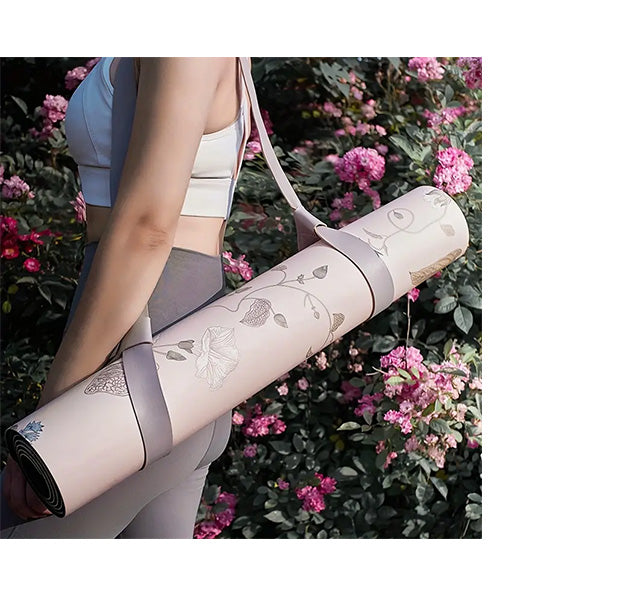
The biggest flaw of a rolled mat is its shape. Even lightweight travel mats can be awkward to carry when rolled into a long tube.
Foldable mats solve this by using pre-cut panel lines or ultra-pliable materials that collapse into a compact rectangle.
-
Luggage friendly: They slide straight into standard carry-on suitcases, tote bags, or daypacks.
-
No bulk: Most weigh between 1.5 to 2.5 lbs (0.7 to 1.1 kg), making them ideal for frequent travelers or daily commuters.
-
No curling edges: Unlike rolled mats that uncurl at the ends during practice, foldable mats lay flat immediately after unfolding.

2. The Ideal Hygienic Studio Topper
If you rent or borrow studio mats, you know they can harbor sweat, bacteria, and residual cleaning sprays. Carrying a full-sized 5mm mat just to avoid direct contact with communal equipment is exhausting.
A thin foldable mat (1.5mm to 2mm) acts as the ultimate hygienic barrier:
-
Use over studio mats: Place your foldable mat directly on top of a rental mat to get optimal cushioning alongside your personal, clean surface.
-
Smarter folding: Quality foldable mats fold "top-to-top" and "bottom-to-bottom". This design keeps the dirty floor side from touching the side where you place your hands and face.
3. Foldable vs. Traditional Rolled Mats: Quick Comparison
| Feature | Foldable Yoga Mat | Traditional Rolled Mat |
| Storage Shape | Flat rectangle (fits in bags/drawers) | Cylinder (requires strap or mat bag) |
| Thickness | Usually 1.5mm – 2mm | Typically 4mm – 6mm |
| Best Use Case | Travel, studio toppers, outdoor flows | Home practice, restorative yoga |
| Edge Laying | Lays completely flat upon opening | Ends tend to curl upward |
4. Understanding the Trade-Offs
While foldable mats offer distinct portability benefits, they are not a complete replacement for every workout environment.
-
Less Cushioning: To pack flat, most foldable mats are intentionally thin (1.5mm–2mm). If you practice on hard hardwood or concrete and have sensitive knees, you may need extra padding or a knee pad.
-
Crease Wear: Lower-quality PVC mats can crack along the fold lines over time. Look for options made from natural rubber or TPE (Thermoplastic Elastomer), which resist creasing and offer better grip.
What to Look For Before You Buy
To pick the right foldable mat, focus on these three specifications:
-
Material: Natural rubber provides superior non-slip grip, especially for sweatier flows. TPE is lighter and hypoallergenic.
-
Surface Texture: Look for a micro-textured top surface or microfiber layer to prevent slipping during transitions like Downward Dog.
-
Weight: Aim for under 2.5 lbs if carry-on travel is your priority.
Summary
Foldable yoga mats prioritize portability and convenience, making them ideal secondary mats for frequent travelers, commuters, and studio goers seeking a cleaner practice surface.