


Opening a new Pilates studio is one of the most promising ventures in the modern boutique fitness industry. However, transitioning from a personal practice or a small home setup to a fully operational commercial Pilates studio presents unique operational, safety, and financial challenges.
Unlike home units, commercial Pilates reformers are subjected to hundreds of hours of high-intensity use each month by clients of varying body types, experience levels, and movement profiles. Choosing the wrong equipment or overlooking critical accessories can lead to costly downtime, liability risks, and compromised client retention.
Whether you are launching a classic Classical studio, a dynamic Reformer Athletic facility, or a high-intensity Lagree-inspired space, this guide details the essential equipment, key accessories, and strategic layout principles needed to build a world-class studio.
1. Core Equipment: Choosing the Right Commercial Reformer
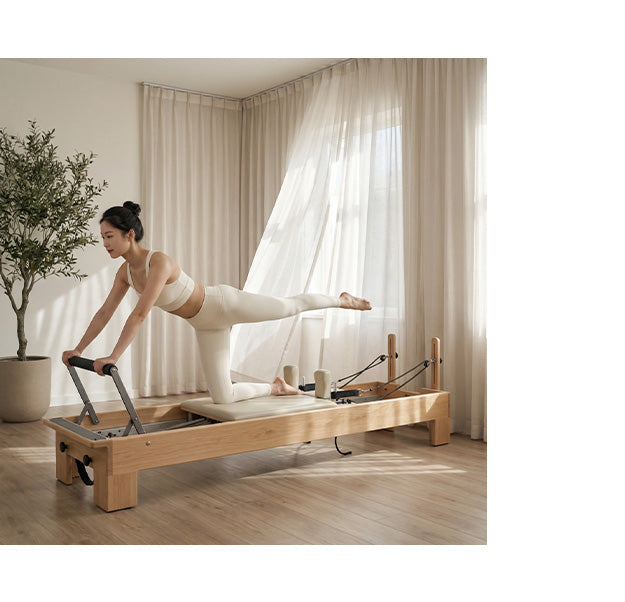
Your reformers are the heart of your business. When evaluating commercial-grade machines, prioritize durability, adaptability, and smooth operation over aesthetic gimmicks.
Essential Specifications for Commercial Reformers
-
Frame Integrity & Weight Rating: Opt for heavy-duty anodized aluminum or solid hardwoods (such as Beech or Maple). Ensure machines hold a minimum user weight capacity of 350 lbs (158 kg) to accommodate all clients safely.
-
Spring Mechanism & Tension Systems: A high-quality commercial spring package typically includes 5 to 6 tiered tension springs (e.g., light, medium, heavy) with clear color-coding. Quick-adjust spring bars save crucial transition time during group classes.
-
Carriage & Pulley Systems: Look for high-precision, multi-bearing polyurethane wheels operating on reinforced rails. The glide must be silent and frictionless to ensure proper biomechanical feedback during exercises.
-
Adjustable Footbars & Gearbars: A minimum of 4 to 6 footbar positions and multi-position gearbars are essential for adjusting carriage stroke length based on client height and range of motion.
| Feature | Commercial Studio Standard | Home/Light-Commercial Model |
| Daily Usage Tolerance | 8–12+ hours daily | 1–2 hours daily |
| Frame Warranty | 5–10 Years / Lifetime | 1–3 Years |
| Spring System | High-tensile music wire / Tiered resistance | Basic uniform springs |
| Footbar Adjustability | One-hand quick release, multi-angle | Fixed or bolt-adjusted |
| Upholstery | Antimicrobial, marine-grade vinyl | Standard synthetic leather |
2. Essential Accessories for Versatile Programming
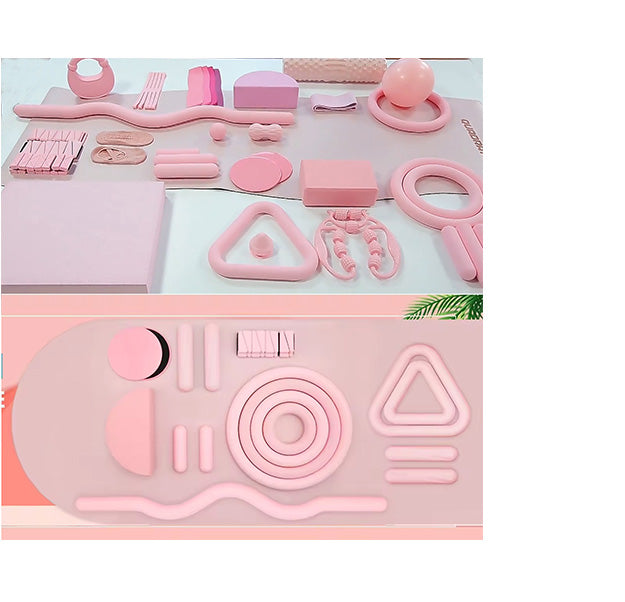
To deliver a diverse curriculum—ranging from rehab-focused private sessions to high-energy group fitness—your reformers must be equipped with full accessory packages.
Must-Have Reformer Accessories
-
Reformer Sitting Boxes: Essential for short box series, prone abdominal work, and seated posture work. Ensure the box features high-density foam filling and commercial handles for fast transitions.
-
Jumpboards (Padded Footplates): Crucial for adding low-impact plyometrics, cardio intervals, and orthopedic rehabilitation to your class schedule.
-
Extenders & Platform Extenders: Extends the standing platform to provide a wider base for standing series, squatting patterns, and adductor work.
-
Double-Loop Straps: A hygienic and practical necessity. Double loops allow clients to switch between hands-in-loops and feet-in-loops seamlessly without adjusting strap lengths manually.
-
Rotational Disks & Arc Barrels: Ideal for tactile cues, lateral flexions, spine alignment, and advanced balance exercises.
-
Neoprene/Rubber Non-Slip Pads: Place these on carriage tops or footbars to prevent slipping, especially during dynamic standing stability exercises.
3. Floor Layout & Space Optimization
A poorly spaced studio floor compromises safety, limits instructor mobility, and reduces overall client experience.
+-------------------------------------------------------------+
|                     INSTRUCTOR STAGE                        |
+-------------------------------------------------------------+
   [Reformer 1]      [Reformer 2]      [Reformer 3]
      <--- 3-4 ft --->   <--- 3-4 ft --->

   [Reformer 4]      [Reformer 5]      [Reformer 6]
      <--- 3-4 ft --->   <--- 3-4 ft --->
+-------------------------------------------------------------+
|                STORAGE & ACCESSORY RACKS                    |
+-------------------------------------------------------------+
Key Layout Guidelines
-
Perimeter Clearance: Maintain 3 to 4 feet (0.9 to 1.2 meters) of clear space around each reformer. Instructors must be able to walk completely around the machine to offer manual corrections, adjust straps, and monitor form safely.
-
Ceiling Height: Ensure a minimum ceiling clearance of 9 to 10 feet. Dynamic standing work on the footbar or carriage requires ample overhead space.
-
Acoustics & Lighting: Install indirect, warm LED lighting (avoid overhead spotlights pointing directly into clients' eyes when lying supine) and sound-dampening wall panels to maintain an focused environment.
-
Accessory Storage Solutions: Keep the studio floor clear of clutter. Install dedicated wall mounts or vertical storage racks for jumpboards, sitting boxes, magic circles, and foam rollers.
4. Sanitation, Safety & Maintenance Standards
Commercial equipment requires rigorous preventative maintenance to protect your investment and maintain health standards.
Daily & Weekly Maintenance Checklist
-
Daily Vinyl Care: Clean carriage vinyl and footbars after every class using alcohol-free, non-abrasive antimicrobial wipes or solutions. Avoid harsh solvent cleaners that cause vinyl cracking over time.
-
Weekly Spring & Rope Inspection: Inspect spring hooks and attachment points for wear, rust, or metal fatigue. Check ropes and webbing for fraying.
-
Monthly Track Cleaning: Wipe down aluminum runners with a soft cloth and silicone-based spray to eliminate dust buildup that wears down carriage wheels.
-
Quarterly Hardware Audit: Tighten all structural bolts, footbar locking pins, and pulley eyelets to prevent mechanical play or noise during movement.
5. Maximizing Studio ROI Through Equipment Selection
When selecting equipment for a new commercial studio, look beyond upfront unit costs. Calculate Total Cost of Ownership (TCO) by factoring in:
-
Modular Upgradeability: Select reformer brands that allow add-on towers, half-trapeze units, or Mat converters so your studio can expand programming without buying entirely new frames.
-
Warranty & Local Support: Partner with manufacturers offering commercial warranties covering frames for at least 5 years and wearable parts (springs, upholstery, ropes) for 1 to 2 years, alongside responsive replacement part availability.
-
Stackability & Mobility: If your studio space is multi-functional, choose reformers equipped with integrated transport wheels or vertical stacking capabilities to clear floor space rapidly.
Conclusion: Building for Success
Investing in top-tier commercial Pilates reformers and strategic accessories lays the foundation for a premium client experience, high retention rates, and long-term financial growth. By prioritizing commercial durability, safety spacing, proper maintenance, and dynamic accessories, your new studio will be fully prepared to deliver exceptional instruction from day one.
Ready to equip your new Pilates studio? Browse our commercial-grade reformers, custom bundles, and studio accessories, or contact our studio design experts today for a personalized layout consultation.