



Hot yoga, Bikram, and high-intensity sweat sessions place extreme demands on studio equipment. For fitness brands, wholesale distributors, and boutique studio managers, procuring yoga mats isn't just about color choices or soft textures—it's about material chemistry, sweat absorption rates, wet-friction coefficients, and multi-season durability.
When end-users experience slipping mid-flow, returns increase and brand reputation drops. This guide breaks down the technical attributes of top-performing hot yoga mats, compares market-leading material architectures, and outlines what B2B buyers must evaluate before placing bulk orders.
Key Technical Metrics for Sweat-Resistant Yoga Mats
When sourcing mats specifically for heated environments (typically $35^\circ\text{C}$ to $40^\circ\text{C}$ with high humidity), low-density PVC and basic open-cell foam fail quickly. B2B buyers should evaluate manufacturers based on four core structural criteria:
-
Dynamic Wet Traction (Coefficient of Friction): The surface must increase traction as liquid is introduced. High-performance mats utilize polyurethane (PU) or micro-wicking top layers that grab damp skin rather than allowing hydroplaning.
-
Cellular Structure (Open-Cell vs. Closed-Cell):
-
Open-cell mats absorb moisture to maintain surface friction but require antimicrobial treatments to prevent deep odor retention.
-
Closed-cell mats repel water for easy sanitization, but require specialized surface etching or anti-slip laser coatings to prevent moisture pooling.
-
-
Core Density & Tear Resistance: Thermal degradation under studio heating can soften low-grade mats. High-density natural rubber or reinforced synthetic cores prevent stretching during heavy power yoga transitions.
-
Eco-Compliance & Chemical Off-gassing: Commercial clients demand non-toxic, REACH-, RoHS-, and OEKO-TEX®-compliant products free from harmful phthalates or harsh chemical odors.
Comparative Analysis: Top Hot Yoga Mat Categories & Sourcing Options
To build a balanced inventory or brand lineup, consider how different product categories perform under commercial hot yoga conditions.
| Material Architecture | Sweat Grip Performance | Durability / Studio Life | Maintenance Effort | Ideal Target Market |
| Open-Cell Natural Rubber | Exceptional (Wet & Dry) | Moderate (Sensitive to UV/Heat) | High (Requires deep cleaning) | Eco-conscious premium studios |
| PU + Natural Rubber Composite | Maximum (Instant sweat-wicking) | High | Medium (Wipe down after use) | Professional hot yoga practitioners |
| MOWIN Moisture-Tech Series | Superior (Engineered anti-slip grid) | Very High (Commercial Grade) | Low (Anti-microbial surface) | B2B Wholesale, OEM Brand Collections |
| TPE with Microfiber Top Layer | Good (Requires sweat to activate) | Moderate | Low (Machine washable tops) | Budget-friendly retail & entry-level |
Featured Product Spotlight: MOWIN Hot Yoga Mat Series
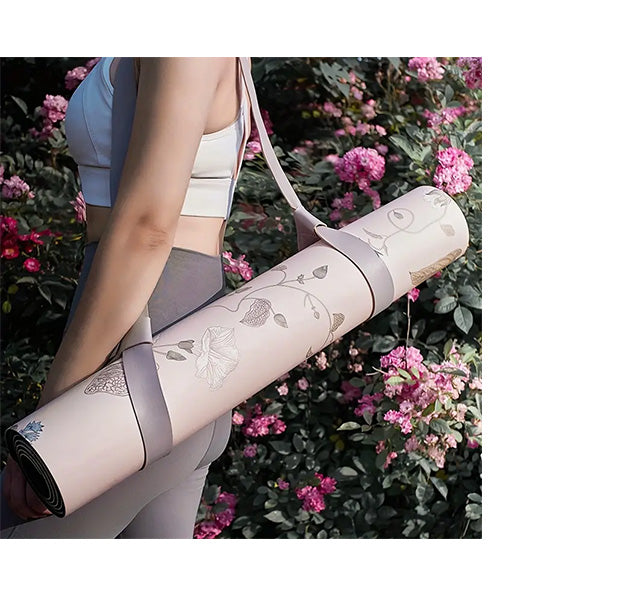
For B2B buyers searching for a high-margin, studio-grade solution, the MOWIN Hot Yoga Mat offers an optimized balance between wet-surface performance and manufacturing reliability.You can check out the test video on Instagram for more details.
What B2B Buyers Must Check Before Placing Wholesale Orders
Selecting the right manufacturing partner is just as critical as choosing the material. If you are sourcing yoga mats for your retail brand or studio network, make sure to verify the following steps:
-
Request Wet-Grip Sample Testing: Always test samples under real hot-yoga conditions (heat room + moisture application). Check if traction holds up after 30 minutes of continuous moisture exposure.
-
Verify Odor & Off-Gassing: Rubber and PU mats can release strong chemical scents if improperly cured. Ensure supplier batches undergo proper vulcanization and air-curing processes before shipment.
-
Evaluate Edge Curling & Memory Retention: Unroll sample mats and let them sit under studio temperatures for 48 hours. Quality mats should lay completely flat instantly without edge curling or deep compression dents from heavy usage.
-
Confirm Packaging & MOQ Flexibility: Ensure your manufacturer provides custom boxing, barcode labeling, and moisture-proof wrapping to protect inventory during sea or air transit.
Conclusion: Elevating Your Product Line for Hot Yoga
As the global wellness market demands higher performance standards, offering generic, low-grip mats for hot yoga will result in dissatisfied users and high return rates. Investing in sweat-engineered materials—such as high-density natural rubber composites or dedicated series like the MOWIN Hot Yoga Mat—allows fitness brands and studio suppliers to deliver superior stability, safety, and longevity.
Partner with Us for Wholesale & Private Label Orders
Are you looking to expand your fitness collection with high-performance hot yoga mats? Contact our B2B team today to request material sample kits, custom OEM branding specs, and wholesale pricing tiers for your upcoming product line.