

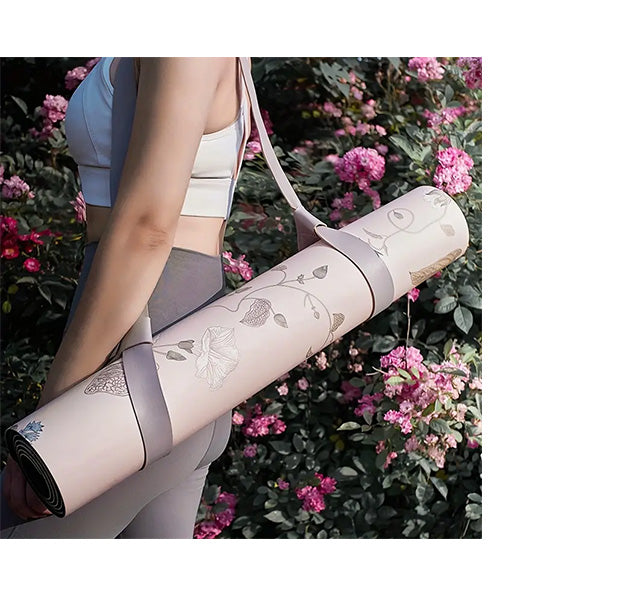

Starting a new yoga journey is exciting, but stepping onto a slippery or paper-thin mat during your first Downward Dog can quickly turn enthusiasm into frustration. With hundreds of options flooding the market—varying in thickness, texture, and material—finding the right gear can feel overwhelming.
This guide cuts through the noise. Whether you're practicing at home, attending studio classes, or seeking extra support for sensitive knees, here is everything you need to know to choose the best beginner-friendly yoga mat.
1. Quick Checklist: What Beginners Need Most
As a beginner, your needs differ slightly from advanced yogis. Before diving into technical specs, prioritize these four core features:
-
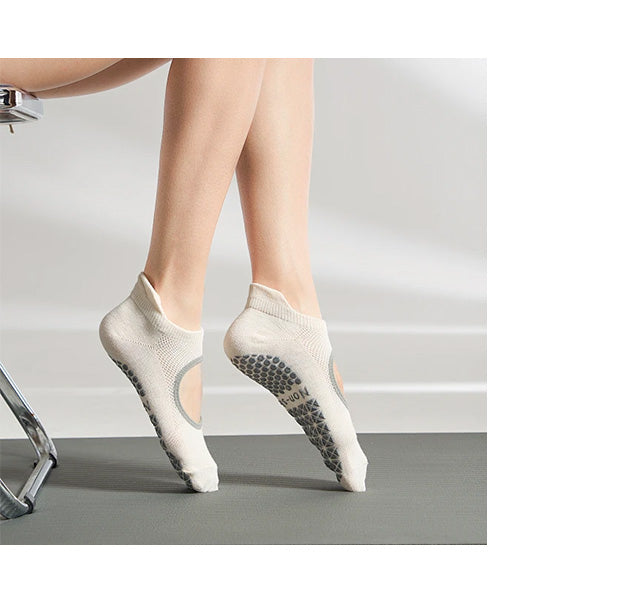
Grip & Traction: Prevents hands and feet from sliding off during pose transitions.
-
Cushioning & Density: Protects joints (knees, wrists, spine) without compromising balance.
-
Alignment Aids: Built-in markings that guide correct hand and foot placement.
-
Portability & Maintenance: Easy to roll, lightweight to carry, and simple to wipe clean.
2. Choosing the Right Thickness: Comfort vs. Balance
Yoga mat thickness generally ranges from 1mm (travel mats) to 15mm (extra-thick foam mats). Finding the balance between joint support and standing stability is key:
-
1mm – 3mm (Thin/Travel): Great for travel, but provides minimal padding for knees or wrists.
-
4mm – 6mm (Standard & Optimal): The Sweet Spot for Beginners. Offers enough cushion to comfort joints while maintaining a firm connection to the floor for balance poses.
-
8mm – 12mm+ (Extra Thick / NBR Foam): Ideal for restorative yoga or Pilates, but often too soft or "squishy" for standing balance poses.
Pro Tip: If you have sensitive knees, choose a dense 5mm or 6mm mat instead of a soft, squishy foam mat. High-density rubber or TPE absorbs shock better without sinking.
3. Demystifying Materials: TPE, Rubber, Cork, or PVC?
The material determines your mat's grip, eco-friendliness, durability, and weight.
| Material | Dry Grip | Sweat Traction | Weight | Eco-Friendliness | Best For |
| TPE | Excellent | Moderate | Very Light (~0.8kg) | Recyclable & Non-toxic | General Home & Studio Use |
| Natural Rubber | Superior | High | Heavy (2kg+) | 100% Biodegradable | Long-term practice & Stability |
| Cork + Rubber Base | Good | Excellent (Grips when wet) | Medium | Renewable & Antimicrobial | Hot Yoga & Sweaty Workouts |
| NBR Foam | Moderate | Low | Light | Moderate | Gentle Stretching & Floor Exercises |
4. Why Alignment Lines Matter for Beginners
One of the most valuable features for beginner yogis is an alignment system laser-engraved onto the mat surface.

Without an instructor constantly adjusting your form, built-in guidelines help you visually check your posture:
-
Central Line: Helps center your body evenly left-to-right.
-
45-Degree Angle Lines: Assist in placing heels correctly in standing postures like Warrior I and II.
-
End & Center Markers: Guide hand and foot distances for Downward-Facing Dog and Plank poses.
5. Summary Recommendations: Finding Your Best Match
-
Best Overall for Beginners: 6mm TPE Mat with Alignment Lines. Lightweight, cushioned, budget-friendly, and easy to clean.
-
Best Eco-Friendly Upgrade: 4.5mm Natural Rubber Mat. Offers unparalleled grip, weight stability, and natural sustainability.
-
Best for Sweaty Practice / Hot Yoga: Cork or PU-Surface Rubber Mat. Becomes grippier as moisture increases.
6. How to Care for Your First Yoga Mat
-
Wipe After Every Use: Use a damp microfiber cloth with water or mild soapy water. Avoid harsh oils on TPE or rubber mats.
-
Air Dry Fully: Unroll and let it dry completely in a shaded area. Direct sunlight can break down natural rubber or TPE over time.
-
Roll Correctly: Roll the mat with the top side facing outward to keep the corners lying flat during your next practice.