

)
In the vast galaxy of yoga, Uttanasana (Standing Forward Bend) shines like a humble yet powerful star. Seemingly simple, it holds profound healing energy. Whether you’re a beginner or an experienced yogi, Uttanasana deeply nourishes body and mind.
Essence of Uttanasana: Key Alignment Tips
Master these to make every Uttanasana safe and effective:
- Ground Your Foundation: Root your feet firmly, weight evenly spread—especially across the balls of the feet and big toe mounds.
- Lead with the Hips: Imagine lifting your hips back and up (tailbone toward the sky), folding from the hip joint—never just rounding your spine.
- Lengthen Your Spine: Inhale to extend the spine before folding; keep your back as straight as possible during the fold (especially early on). If rounding occurs, bend your knees.
- Relax Your Head and Neck: Let your head hang naturally, neck completely soft, as if the crown gently reaches for the floor. Surrender to gravity.
- Flow with Breath: Inhale to slightly extend the spine; exhale to deepen the fold gently. Let breath guide your depth.
Uttanasana: Gifts for Body and Mind
Daily Uttanasana brings unexpected rewards:
- Deep Release: Stretches and relaxes the entire posterior chain—hamstrings, calves, hips, spine—relieving stiffness from sitting.
- Spinal Vitality: Gently massages spinal nerves, creates space between discs, and improves flexibility.
- Boosted Circulation: Inversion increases blood flow to the head, nourishing the face and brain, sharpening focus, and easing fatigue.
- Calms the Mind: Head-below-heart posture naturally soothes the nervous system, reducing stress and anxiety.
- Aids Digestion: Mild abdominal compression massages organs and improves digestion.
- Renewed Energy: Stimulates energy flow, combats fatigue, and leaves you refreshed.
How to Practice Uttanasana: Step by Step
1. Start in Mountain Pose: Stand with feet together or hip-width apart, grounded at the mat’s front edge.
2. Inhale to Extend: Reach arms overhead, lengthening the spine upward.
3. Exhale to Fold: Hinge from the hips, keeping the spine long. Place hands beside your feet, on shins, or yoga blocks. Bend knees generously if new or tight.
4. Deepen and Relax: Soften deeper into the fold with each exhale. Surrender your head and neck.
5. Hold and Breathe: Stay for 5–10 breaths (or longer), focusing on breath and sensation.
6. Rise Slowly: Inhale, bend knees slightly, place hands on hips, engage your core, and roll up vertebra by vertebra.

Uttanasana: Is It for Everyone?
Uttanasana is highly adaptable but requires care:
- Beginners: Always bend your knees!** Use blocks under hands; prioritize spine extension over depth.
- Intermediate Yogis: Gradually straighten legs (without rounding your back). Explore deeper stretches or variations (e.g., holding toes).
-
Special Cases:
1、Severe low-back pain/injury: Practice cautiously or skip; avoid pain.
2、High blood pressure/eye issues (e.g., glaucoma): Seek guidance; inversion requires caution.
3、Pregnancy: Widen feet after the first trimester; avoid abdominal pressure.
4、Sensitive knees: See details below.
Is Uttanasana Knee-Friendly?
Uttanasana itself is low-impact on knees—execution matters most:
- Knee-Safe Tip: Keep a micro-bend in the knees (especially with tight hamstrings) to minimize strain behind the knees.
- Risks: Locking knees (hyperextension) or forcing depth without warm-up may stress ligaments.
Conclusion: With soft knees, Uttanasana is highly knee-friendly—a smart choice for joint care.
How Often Should You Practice?
Daily Nourishment: Uttanasana is ideal for daily practice—energize mornings, refresh midday, or unwind at night.
Frequency: Include it in your regular yoga flow, or practice 3–5 times, holding 30 seconds to 2 minutes each.
Listen to Your Body: Avoid overstretching; honor your limits.
Uttanasana for All Stages: Tailored Advice
-
Beginners:
1、Golden rule: Bend your knees! Bend your knees! Bend your knees!**
2、Goal: Feel the hip hinge and spine extension—not depth.
3、Prop: Use blocks under hands or rest hands on shins. -
Intermediate:
1、Explore: Gently straighten legs while keeping the spine extended.
2、Deepen: Clasp opposite elbows, letting your torso hang freely.
3、Awareness: Tune into hamstring and spinal sensations. -
Advanced:
1、Challenge: Padahastasana (hands under feet).
2、Variation: Practice Ardha Uttanasana (half forward bend, back parallel to floor) as transition.
3、Flow: Integrate Uttanasana into Vinyasa sequences.
Weave Uttanasana into Your Life’s Flow
Uttanasan is more than a pose—it’s a dialogue with your body, a release of fatigue, an invitation to stillness. Whether you’re new to the mat or a seasoned practitioner, approach each ttanasana with patience and reverence. Let gravity guide you, feel your spine awaken, and let every breath clear your mind.
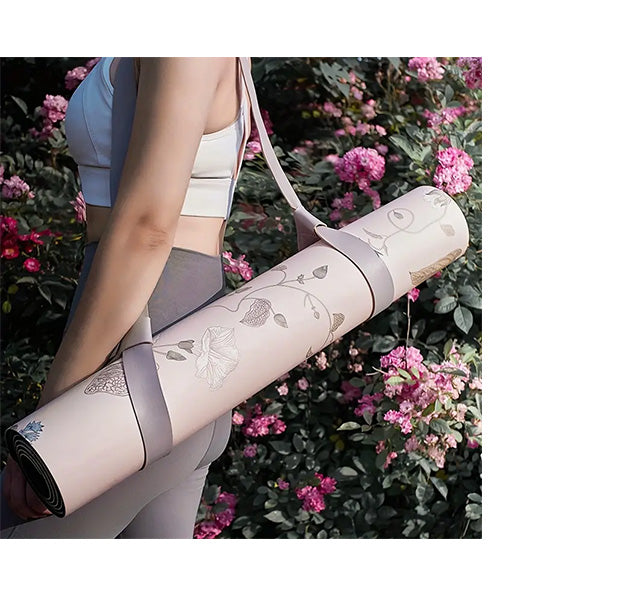
And this journey inward begins from the ground up. Imagine your feet rooted on a non-slip surface with just-right cushioning—your Uttanasana transforms: knees feel lighter, your spine extends freely, and focus deepens.
Create the perfect foundation for every Uttanasana:
A premium yoga mat is your trusted partner. It offers:
- Stable Grounding: Reliable grip prevents slips during folds or transitions—safety first, especially with light sweat.
- Joint Care: Gentle cushioning protects knees and ankles in deep folds.
- Effortless Focus: A comfortable base lets you tune into breath and alignment, not balance struggles.
Turn every practice into pure presence. Choose a mat that grows with you—one that supports deeper exploration in Uttanasana and helps you find harmony within.
Ready to elevate your practice from the ground up? Discover Mowin’s premium yoga mats—crafted for passionate yogis like you. Find your perfect support and step into a more comfortable, mindful flow.

Image Source:https://tinyurl.com/msd5t5ux、https://tinyurl.com/5n8rfe2k