


In the world of fitness, wrist weights are often overlooked compared to dumbbells, kettlebells, or resistance bands. Yet these compact, adjustable tools hold immense potential for enhancing strength, improving mobility, and elevating everyday movements—making them a versatile addition to any workout routine, whether you’re a beginner, a busy professional, or a seasoned athlete. Unlike bulky equipment, wrist weights fit seamlessly into home workouts, walks, or even household chores, turning ordinary moments into opportunities to build strength. Let’s explore why wrist weight workouts matter, how to use them safely, and which exercises deliver the best results.

The Rise of Wearable Resistance: A New Era of Functional Fitness
In recent years, the shift toward "functional fitness" and "at-home wellness rituals" has brought wrist weights—often referred to as weighted bangles—back into the spotlight. These tools are no longer just for 80s aerobics; they have evolved into sleek, aesthetic accessories that align with a modern, mindful lifestyle. Whether you are practicing Pilates or simply looking to add a layer of intentionality to your daily walk, wearable weights provide a constant, low-impact challenge that encourages better mind-muscle connection.
Why Wrist Weights Deserve a Spot in Your Routine
Wrist weights—typically filled with sand, metal, or water and ranging from 0.5 to 5 pounds per wrist—target the small but critical muscles of the forearms, wrists, and upper arms. These muscles are essential for daily tasks: carrying groceries, typing, opening jars, or lifting children. Weakness in this area can lead to fatigue, discomfort, or even injuries like carpal tunnel syndrome. By adding gentle resistance to movements, wrist weights strengthen these muscles over time, making routine activities feel easier.
For fitness enthusiasts, wrist weights offer a way to intensify bodyweight exercises without adding bulk. A simple arm circle or bicep curl becomes more challenging with 1-2 pound weights, boosting muscle engagement and calorie burn. They also improve stability: when performing exercises like shoulder presses or lateral raises, the weights force your core and upper body to work harder to maintain proper form, enhancing overall balance. Even walkers or joggers can benefit—strapping on wrist weights adds mild resistance to arm swings, activating the chest, back, and shoulder muscles while cardio is in progress.
Furthermore, for those pursuing a "healing" or "yoga-inspired" fitness journey, wrist weights help in grounding the body. The subtle pressure on the wrists can serve as a sensory reminder to maintain alignment and engage the core during transition movements, blending strength training with a sense of ritual and presence.
Safe, Effective Wrist Weight Exercises for Every Level
The key to successful wrist weight workouts is starting light and focusing on form—poor technique can strain joints or lead to overuse injuries. Begin with 0.5 to 1 pound weights, and gradually increase as your strength improves. Below are four exercises suitable for all fitness levels, designed to target different muscle groups while keeping movements low-impact.
1. Wrist Curls (Forearm Strength)
Sit on a chair with your feet flat on the floor. Hold a wrist weight in each hand, arms resting on your thighs, palms facing up. Slowly curl your wrists upward, lifting the weights toward your forearms, then lower them back down with control. Aim for 3 sets of 12-15 reps. This exercise targets the flexor muscles in your forearms, which are crucial for gripping and lifting.
2. Lateral Raises (Shoulder Stability)
Stand with your feet shoulder-width apart, knees slightly bent. Hold wrist weights at your sides, palms facing your body. Keeping your arms straight (but not locked), lift the weights out to the sides until they reach shoulder height, then lower them slowly. Avoid swinging your body—focus on controlled movement. Do 3 sets of 10-12 reps. Lateral raises strengthen the deltoid muscles in your shoulders, improving posture and reducing strain from sitting at a desk.
3. Arm Circles (Upper Body Mobility)
Stand tall with your feet hip-width apart, holding a wrist weight in each hand. Extend your arms out to the sides, forming a “T” shape. Make small, clockwise circles with your arms for 30 seconds, then switch to counterclockwise for another 30 seconds. Start with small circles to avoid shoulder tension, and gradually increase the size as you build mobility. This exercise warms up the shoulders, chest, and upper back, making it ideal as a pre-workout warmup or a midday desk break.
4. Walking Lunges with Arm Swings (Full-Body Engagement)
Take a step forward with your right leg, lowering your body into a lunge (keep your front knee over your ankle, back knee hovering above the floor). As you lunge, swing your arms forward—left arm up with the weight near your chest, right arm back—then switch arms as you step into a left lunge. Continue for 10-12 lunges per leg (2 sets total). This exercise combines lower-body strength training with upper-body resistance, making it a time-efficient full-body workout.
5. Pilates-Inspired Scissor Arms (Core and Arm Toning)
Lie flat on your back on a yoga mat with your legs in a tabletop position. With wrist weights secured, extend your arms straight up toward the ceiling. Slowly lower one arm toward your hip while the other reaches back overhead, keeping your core engaged and your lower back pressed into the mat. Switch arms in a rhythmic, "scissor" motion. This exercise is perfect for those looking to add a "ritual" feel to their Pilates practice, focusing on breath and controlled resistance.
Tips for Avoiding Injury and Maximizing Results
While wrist weights are safe for most people, certain precautions will help you avoid strain. First, never use weights that are too heavy—if you struggle to maintain proper form, downsize. For example, a 5-pound weight might be too much for wrist curls, leading to wrist pain or curved arms. Stick to weights that let you complete all reps with control.
Second, avoid overusing wrist weights—limit workouts to 2-3 times per week to give muscles time to recover. Using them every day can cause overuse injuries, especially in the wrists and shoulders. Additionally, remove wrist weights during high-impact activities like running or jumping jacks—these movements can put excessive stress on joints if combined with added weight.
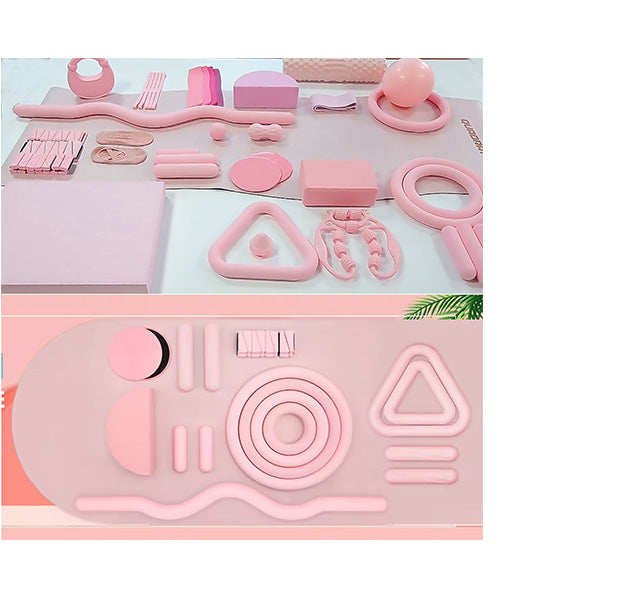
Finally, pair wrist weight workouts with stretching. After each session, stretch your forearms (by pulling your fingers back with the opposite hand) and shoulders (by crossing one arm across your chest and holding it with the other hand). Stretching improves flexibility and reduces muscle soreness, helping you stay consistent with your routine.Consider incorporating a "cooling down ritual" with a soft foam roller or a cork yoga block to release any lingering tension in the upper body.
Choosing the Right Equipment: Aesthetic Meets Functionality
When selecting wrist weights, look for materials that complement your workout environment. Silicone-coated weights are popular for their "clean aesthetic" and "skin-friendly" feel, making them ideal for long-duration wear. For wholesale buyers or gym owners, choosing adjustable weights with secure Velcro straps ensures that the equipment can accommodate a variety of wrist sizes while maintaining a professional look in a studio setting.
Who Can Benefit Most from Wrist Weight Workouts?
Wrist weights are particularly valuable for three groups:
Older adults: As we age, muscle mass and bone density decline. Wrist weight exercises like wrist curls and lateral raises help maintain forearm and shoulder strength, reducing the risk of falls and improving independence in daily tasks.
Office workers: Sitting for long hours weakens upper-body muscles and tightens shoulders. A 10-minute wrist weight routine during lunch—including arm circles and wrist curls—can counteract desk-related stiffness and boost energy.
Fitness beginners: For those new to strength training, wrist weights offer a low-pressure way to build confidence. They’re easy to use, require no complicated setup, and let you gradually build strength before moving to heavier equipment.
Frequently Asked Questions (FAQ) About Wrist Weights
- Can I wear wrist weights all day:While it’s tempting to wear them for constant calorie burn, it is recommended to wear them only during active movement or specific exercise sessions to avoid unnecessary joint fatigue.
- Are wrist weights better than dumbbells:Wrist weights offer "hands-free" resistance, which is superior for walking, Pilates, and yoga. However, dumbbells are better for high-intensity muscle hypertrophy (building large muscle mass).
- How do I clean my weighted bands:For silicone weights, a simple wipe with a damp cloth and mild soap works best. For fabric-based weights, hand washing and air drying will maintain their longevity.
Final Thoughts
Wrist weight workouts prove that effective fitness doesn’t require expensive gym memberships or bulky gear. With a pair of lightweight wrist weights, you can transform ordinary movements into strength-building opportunities—whether you’re walking around the block, doing household chores, or following a structured workout. By focusing on form, starting light, and staying consistent, you’ll soon notice improved strength, better mobility, and less fatigue in daily life.
So grab a pair of wrist weights, pick one or two exercises from this guide, and start small. Over time, those small, consistent efforts will add up to big results—proving that sometimes the most powerful tools in fitness are the ones you can take anywhere.