


Pilates, a mind-body exercise method focused on core strength, flexibility, and body awareness, has grown increasingly popular for its ability to improve posture, reduce pain, and enhance overall fitness. Two of the most common ways to practice Pilates are on a reformer machine and on a mat. While both share the same foundational principles, they offer distinct experiences, benefits, and challenges—making it important to understand their differences before choosing which one aligns with your goals.

The Core Difference: Equipment and Resistance
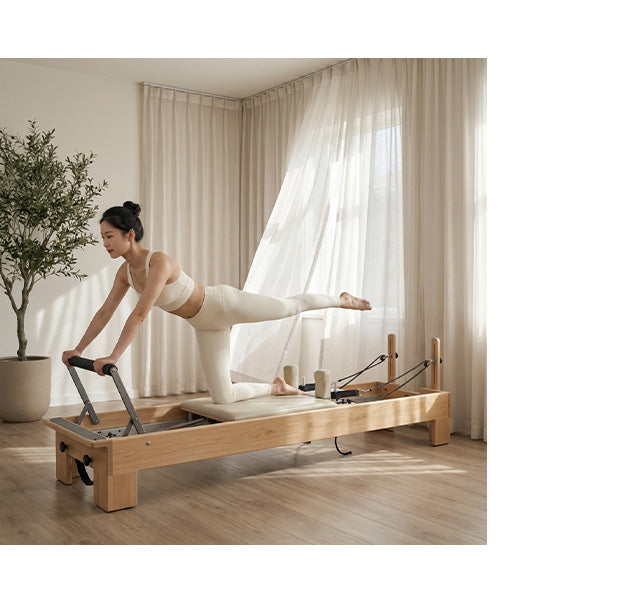
At the heart of the "Reformer Pilates vs. Mat" debate lies equipment. A Pilates reformer is a specialized machine with a sliding carriage, springs, straps, and foot bars. The springs provide adjustable resistance, allowing practitioners to modify exercises to match their skill level—from gentle support for beginners to intense challenge for advanced users. This adjustable resistance is a key feature that makes Reformer Pilates highly adaptable to different fitness levels and goals. This resistance also helps isolate specific muscle groups, making it easier to target weak areas without straining joints.
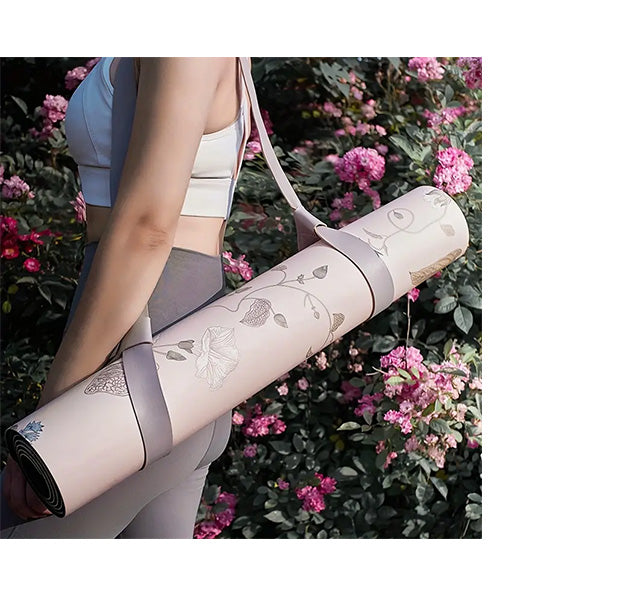
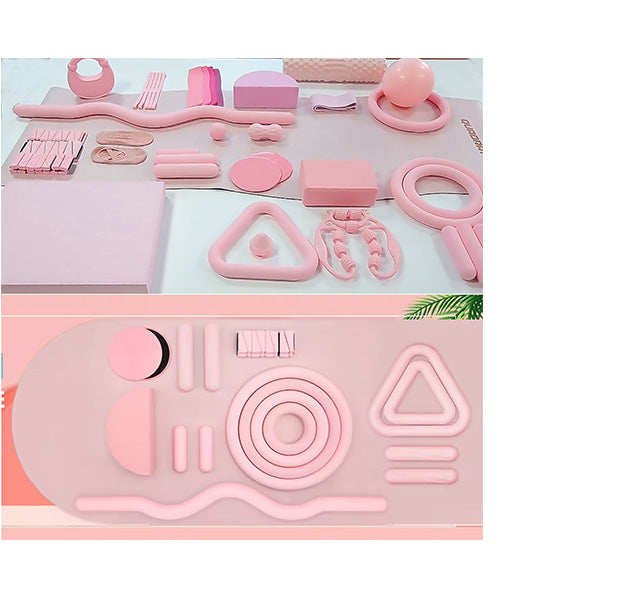
Mat Pilates, by contrast, requires minimal equipment: just a high-quality mat. Instead of relying on a machine, it uses bodyweight resistance to build strength and stability. This simplicity makes mat Pilates more accessible—you can practice it anywhere, whether at home, in a studio, or while traveling. This portability is a major advantage for those with busy lifestyles or limited access to a gym. However, the lack of mechanical support means it demands more from your core and stabilizer muscles, as you must control every movement entirely on your own.
Experience and Suitability for Different Goals
For beginners or those recovering from injuries, Reformer Pilates often feels more approachable. The reformer’s springs provide a "safety net," guiding movements and reducing the risk of overexertion.This can be especially beneficial for individuals who are new to exercise or are coming back from a long break, as it helps build confidence and prevents injury. It’s also ideal for anyone looking to deepen their practice by targeting specific muscles—for example, the machine’s straps can help you stretch tighter hamstrings or engage your glutes more effectively. Many people also find Reformer Pilates more dynamic, as the sliding carriage adds a fluid, low-impact challenge that feels less repetitive than mat work.
Mat Pilates, on the other hand, is perfect for building foundational strength. Without the reformer’s assistance, you learn to engage your core instinctively, which translates to better posture and stability in daily life.This foundational strength is crucial for performing everyday tasks with ease and reducing the risk of injury in other activities. It’s also a great choice for those on a budget or who prefer at-home workouts. That said, a successful mat practice depends heavily on the right equipment—and this is where Mowin comes in. As a professional manufacturer of yoga and Pilates mats, Mowin designs mats specifically to support mat Pilates routines. Their mats offer optimal thickness (typically 6-8mm) to cushion joints during floor exercises like the Hundred or Single Leg Stretch, while their non-slip surface ensures you stay stable even during sweaty sessions. Unlike generic mats that may bunch or slide, Mowin’s mats are durable, eco-friendly, and designed to enhance your connection to the floor—critical for mastering the precise movements of mat Pilates.
Results: Which Delivers Better Outcomes?
The answer depends on your goals. Reformer Pilates excels at improving flexibility, muscle tone, and balance, thanks to its adjustable resistance and ability to target specific areas.The ability to precisely target muscles can lead to more noticeable improvements in muscle definition and overall body shape. It’s also a great option for those who find mat work too strenuous, as the machine reduces the load on joints while still providing a challenging workout.
Mat Pilates, meanwhile, is unmatched for building core strength and body awareness. Because you rely on your own bodyweight, you develop functional strength that supports everyday activities—from lifting groceries to sitting at a desk. This functional strength is highly practical and can improve your quality of life in numerous ways.And with a Mowin mat, you can practice comfortably and safely, ensuring you get the most out of every session. Over time, consistent mat practice can lead to flatter abs, improved posture, and reduced back pain—all without the need for expensive equipment.
Making Your Choice
Ultimately, there’s no "better" option between Reformer and Mat Pilates—both offer unique benefits. If you enjoy structured, machine-assisted workouts and want to target specific muscles, Reformer Pilates may be for you.If you like the idea of having a guided workout with the help of equipment, Reformer Pilates can provide that structure and support. If you prefer flexibility, affordability, and building foundational strength, Mat Pilates (paired with a high-quality Mowin mat) is an excellent choice. Mat Pilates allows you to work out on your own schedule and in the comfort of your own space, which can be a big plus for many people.Many practitioners even combine both to keep their routines varied and balanced.
No matter which you choose, the key is consistency. Whether you’re sliding on a reformer or grounding yourself on a Mowin mat, Pilates is a journey of progress—not perfection. By understanding the differences between these two practices, you can make an informed decision that helps you reach your fitness goals while enjoying the process.