




In recent years, the fitness landscape has shifted dramatically, with more people seeking effective, convenient ways to stay active without stepping foot in a gym. Among the rising stars of home workouts is reformer Pilates—a low-impact, high-results practice that combines the core-strengthening principles of traditional Pilates with the versatility of a reformer machine. Once confined to luxury studios, reformer Pilates at home has become increasingly accessible, empowering individuals to build strength, improve flexibility, and enhance overall wellness on their own terms.
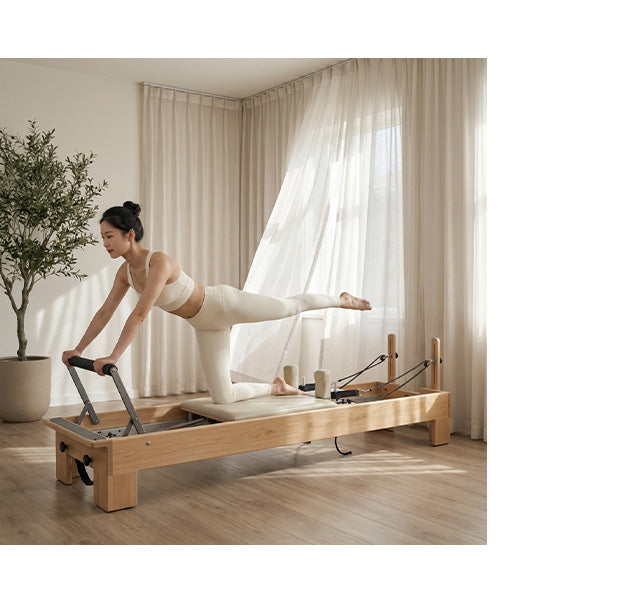
At its core, reformer Pilates leverages a padded, sliding platform (the reformer) equipped with springs, straps, and foot bars to create resistance. This resistance challenges muscles in a controlled, gentle way, making it suitable for all fitness levels—from beginners recovering from injury to advanced athletes looking to refine their performance. Unlike high-intensity workouts that strain joints, reformer Pilates focuses on precision and alignment, targeting deep core muscles, improving posture, and boosting body awareness. When practiced at home, it eliminates common barriers like commuting time, studio fees, and scheduling conflicts, allowing for consistent, sustainable fitness habits.
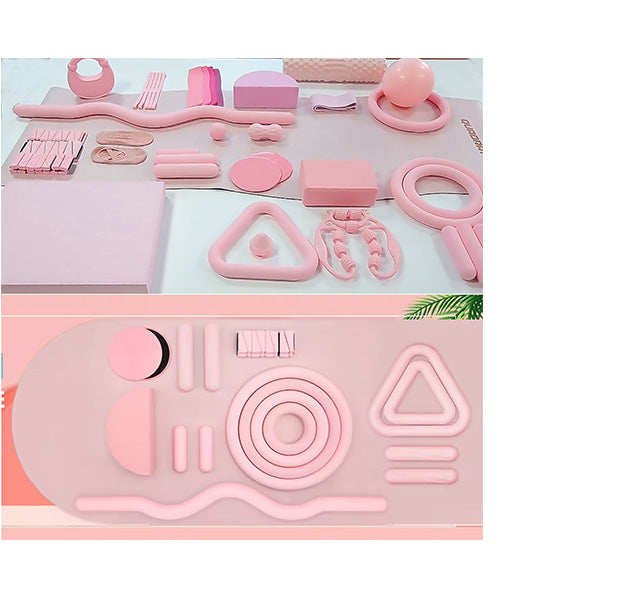
One of the biggest advantages of reformer Pilates at home is its adaptability to small spaces. Modern home reformers are designed to be compact and portable, with many models folding up for easy storage under beds or in closets. Brands like Balanced Body, AeroPilates, and Stamina offer affordable, space-saving options that don’t compromise on quality. For those new to the practice, investing in a basic reformer (complete with instructional videos or apps) can provide a foundation for learning key movements, while experienced practitioners can upgrade to machines with adjustable springs and additional accessories for more varied workouts.
Getting started with reformer Pilates at home doesn’t require a background in fitness—just patience and consistency. Begin with a 10–15 minute warm-up to activate your core and loosen tight muscles, such as cat-cow stretches or gentle leg circles on the reformer. Next, focus on foundational exercises like the hundreds (a classic core move) or leg presses (to target glutes and hamstrings), using the reformer’s springs to adjust resistance. It’s important to prioritize form over speed; even slow, controlled movements will yield results and reduce the risk of injury.
Another benefit of home reformer Pilates is the flexibility to tailor workouts to your goals. Whether you want to build strength, improve flexibility, or reduce stress, you can customize your routine. For example, adding more resistance to exercises like chest presses will boost upper-body strength, while slower, more deliberate movements like spine stretches can enhance flexibility and calm the mind. Many practitioners also pair reformer work with mindfulness techniques, such as deep breathing, to create a holistic wellness experience.
Of course, like any new fitness routine, there may be challenges. It can be tempting to rush through workouts or skip sessions, but consistency is key. Setting a regular schedule—even 20–30 minutes a few times a week—will help you build a habit and see progress. Additionally, if you’re unsure about proper form, there are plenty of resources available, from online tutorials to virtual classes with certified instructors, that can guide you.
In conclusion, reformer Pilates at home is a versatile, effective way to prioritize fitness and wellness in a busy world. It offers the benefits of studio Pilates—strength, flexibility, and improved posture—without the hassle, making it accessible to everyone. By investing in a quality reformer, focusing on form, and staying consistent, you can transform your home into a personal fitness studio and achieve your health goals on your own terms. Whether you’re a beginner or an experienced practitioner, reformer Pilates at home has something to offer, proving that fitness doesn’t have to be complicated—it just has to be intentional.