


Find Your Perfect Mat: Match It to Your Practice Style for Comfort, Stability, and Progress
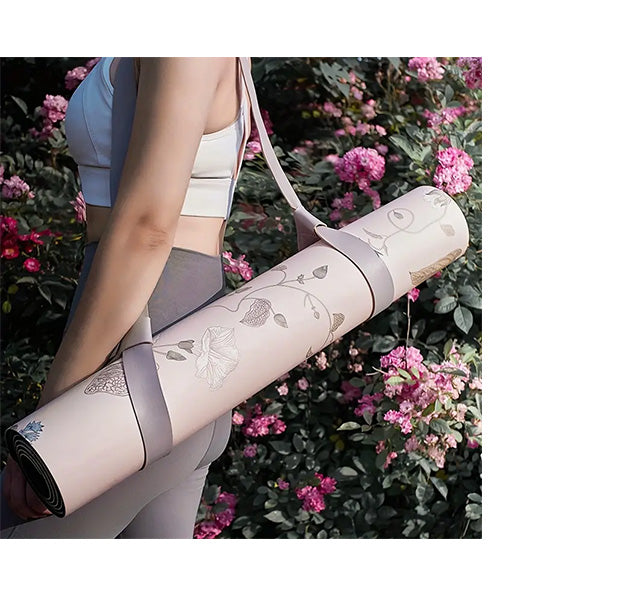
Stepping into a yoga studio or unrolling your mat at home, you might not realize that the mat beneath your feet is more than just a soft surface—it’s a tool that can make or break your practice. With countless yoga mat options on the market, from thin travel-friendly designs to thick, cushioned ones, choosing the right one feels overwhelming. But here’s the secret: the best professional yoga mat isn’t the most expensive or trendy—it’s the one tailored to your course type. Different yoga styles demand different levels of grip, cushioning, thickness, and even material, and aligning your mat with your practice ensures you stay safe, comfortable, and focused on your breath and movement.
Whether you’re flowing through Vinyasa, holding poses in Hatha, balancing in Bikram, or grounding in Yin, each class type has unique needs. Let’s break down how to select a professional yoga mat that complements your practice, so you can stop worrying about slipping, discomfort, or distraction—and start deepening your connection with your body and mind.
1. Vinyasa Yoga: Prioritize Grip and Responsiveness
Vinyasa yoga is all about movement and breath—fluid transitions between poses, quick shifts from standing to floor work, and dynamic sequences that keep your heart rate up. For this fast-paced practice, you need a mat that offers superior grip (to prevent slipping during sweaty flows) and moderate thickness (to support your joints without feeling bulky or unresponsive).
Look for mats made from natural rubber or polyurethane (PU) tops, as these materials provide excellent traction even when wet—critical for Vinyasa’s sweaty nature. Avoid mats with smooth PVC surfaces, which can become slippery once you start perspiring. A thickness of 4mm to 5mm is ideal: it’s thick enough to cushion your knees and elbows during chaturangas and plank poses, but thin enough to let you feel grounded and stable as you move. Opt for a mat with a dense, supportive core that bounces back quickly, so you don’t sink into the mat during dynamic movements. Brands like Lululemon’s The Mat or Manduka’s Pro Lite are popular choices for Vinyasa practitioners, thanks to their grippy surfaces and responsive feel.
2. Hatha Yoga: Balance Cushioning and Stability
Hatha yoga focuses on static poses, holding each asana for several breaths to build strength, flexibility, and alignment. Unlike Vinyasa, Hatha is slower-paced, so your mat needs to prioritize cushioning (for long holds) and stability (to keep you steady in standing and seated poses). This style is perfect for beginners, so comfort is key to keeping you motivated.
A mat thickness of 5mm to 6mm works well for Hatha—thicker than Vinyasa mats to cushion your hips, knees, and spine during seated poses like cross-legged or child’s pose, but not so thick that it throws off your balance. Look for mats with a non-slip base (rubber is best) to prevent the mat from shifting as you hold poses. Materials like natural rubber or jute are great options: they’re eco-friendly, durable, and offer a gentle grip. Avoid overly soft mats that lack support, as they can cause strain in poses like downward-facing dog. A mat with a textured surface will also help you stay grounded, even if you’re not sweating heavily.
3. Hot Yoga/Bikram: Focus on Sweat Resistance and Grip
Hot yoga and Bikram are practiced in heated rooms (typically 90–105°F), which means you’ll be sweating profusely throughout the class. For these styles, the most important feature of a professional yoga mat issweat resistance—you need a mat that won’t become slippery or sticky when wet. Additionally, the mat should be easy to clean, as sweat can build up quickly and cause odors.
PU (polyurethane) or microfiber mats are ideal for hot yoga, as they absorb sweat and maintain grip even when saturated. Some hot yoga mats also have a “dry-grip” technology that activates when wet, providing extra traction. Avoid natural rubber mats for hot yoga, as they can become slippery when wet and may also have a strong odor. Thickness-wise, 4mm to 5mm is best—thicker mats can trap heat, making your practice uncomfortable, while thinner mats won’t provide enough cushioning for floor poses. Look for mats that are lightweight and easy to roll up, as you’ll likely be carrying them to and from the studio. Mats with a closed-cell structure are also a good choice, as they prevent sweat from seeping into the mat and causing mold or mildew.
4. Yin Yoga: Prioritize Cushioning and Durability
Yin yoga is all about long holds—typically 3–5 minutes per pose—focusing on stretching the deep connective tissues of the body. For this style, cushioning is non-negotiable: you’ll be sitting, kneeling, or lying on the mat for extended periods, so you need a mat that supports your joints and prevents discomfort. Durability is also important, as long holds can put pressure on specific areas of the mat over time.
Choose a mat that’s 6mm to 8mm thick—thicker than most other styles—to provide maximum cushioning for your hips, knees, and lower back. Materials like memory foam or a combination of natural rubber and foam are great for Yin, as they conform to your body and distribute pressure evenly. Look for a mat with a soft, comfortable surface that won’t irritate your skin during long holds. Stability is still important, so opt for a mat with a non-slip base to prevent shifting. Avoid thin mats or mats with a hard surface, as they can cause pain and distraction during extended poses. A durable mat will also hold up well to regular use, even if you practice Yin multiple times a week.
Final Tips for Choosing Your Professional Yoga Mat
No matter what class type you practice, there are a few universal tips to keep in mind: consider your body type (if you have sensitive joints, opt for more cushioning), your practice space (if you practice at home, a thicker mat is fine; if you travel, a lightweight, thin mat is better), and your budget (professional mats range from $50 to $200, but you don’t need to spend a fortune to get a quality mat).
Remember, your yoga mat is an investment in your practice. By choosing a mat that’s tailored to your course type, you’ll not only stay safe and comfortable—you’ll also enhance your performance and deepen your connection with your practice. So take the time to test out different mats, read reviews, and find the one that feels like an extension of your body. With the right mat beneath you, every yoga class will feel more enjoyable, effective, and fulfilling.